Iran Bridge Strike: US Hits Civilian Infrastructure, Causes Deaths
A US airstrike has destroyed Iran's tallest bridge, killing eight and wounding 95. The attack, called a strike on civilian infrastructure by Iran, follows escalating threats from President Trump. Experts warn that targeting power plants and healthcare facilities could lead to a severe humanitarian crisis and potential war crimes.

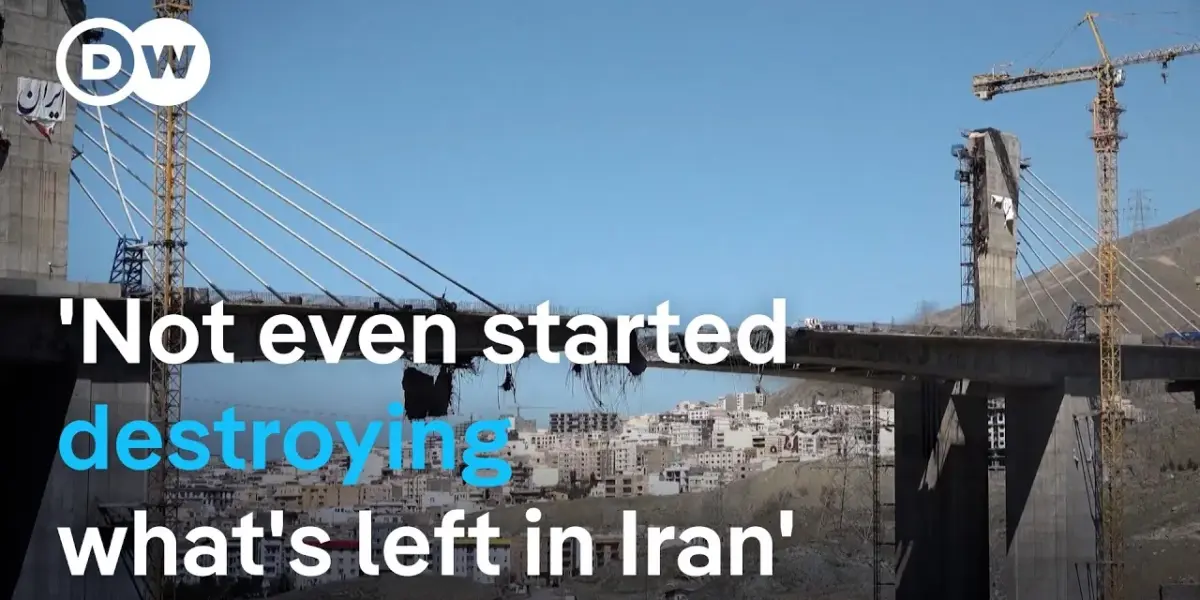
US Strikes Iran’s Tallest Bridge, Killing Eight
A US airstrike has destroyed a major bridge under construction in Iran, killing at least eight people and wounding 95. The strike, which hit the country’s tallest bridge southwest of Tehran, occurred after President Donald Trump vowed to hit Iran “extremely hard” in the coming weeks. The US has claimed the bridge was used to transport missiles and drones, but Iranian officials have condemned the attack as a strike on civilian infrastructure.
Symbolic Attack and Escalating Tensions
Sara Carman, an international relations researcher from the University of Sussex, described the attack as highly symbolic. “The most important thing is the symbolic message,” Carman stated. She explained that the strike aims to show President Trump is serious about his threats to revert Iran to the “stone ages” and halt its development. While the bridge was not yet open to the public, Carman noted that the lines between military and civilian infrastructure in Iran are deeply intertwined. This makes it difficult to avoid harming civilians when targeting what the US claims are military assets.
“Stone Ages” Rhetoric Sparks Fear
President Trump’s rhetoric, promising to send Iran “back to the stone ages,” has drawn mixed reactions. Some Iranians see it as a stark contrast to earlier promises of making Iran great again, expressing disappointment. Others use the statements sarcastically, viewing them as two sides of the same coin. While many visible reactions come from the Iranian diaspora, fear of widespread infrastructure attacks is a growing concern within Iran. Carman believes Trump’s current discourse aligns with the reality of an escalating conflict that experts warned could become a difficult security trap.
Consequences of Targeting Power Grids
Should the US attack critical infrastructure like electric power plants, the consequences could be devastating. Experts suggest Iran’s power grid has some resilience, but sustained attacks could cause irreversible damage. A widespread power shutdown would paralyze society, cripple businesses, and disrupt essential services like hospitals and public transport. It would also further isolate people, making communication with the outside world extremely difficult and potentially leading to a severe humanitarian crisis.
Attacks on Healthcare Facilities Raise Alarms
The World Health Organization (WHO) has reported multiple attacks on healthcare facilities in Iran since March 1st, verifying over 20 such incidents. The Pasteur Institute of Iran, a century-old biomedical research hub crucial for vaccine production and epidemic control, has been damaged and is unable to continue delivering health services. “Reports suggest that among other things, Iran’s own microbial bank has been destroyed,” Carman reported, highlighting the loss of decades of research and the long-term damage to the country’s scientific capacity. Attacks on pharmaceutical factories and labs also threaten access to essential medicines, especially given existing sanctions that limit Iran’s ability to import critical medications.
Potential for War Crimes Allegations
Iranian President Hassan Rouhani has urged international bodies like the WHO and Doctors Without Borders to respond to these attacks on medical centers, calling them a “crime against humanity.” Carman argued that recent attacks could amount to war crimes if they are part of a widespread or systemic assault on civilians. She pointed to the targeting of protected sites like medical and research institutions, as well as oil refineries, suggesting a systemic pattern. The embedding of security infrastructure within urban areas further increases civilian casualties, as workers at these sites are often not military personnel. The destruction of medical and energy systems also leads to indirect deaths from lack of care.
International Response and Future Outlook
Carman expressed skepticism about the effectiveness of international bodies in addressing these issues. While Iran has accused the US and Israel of humanitarian crimes, and some Arab states have accused Iran of war crimes, the current geopolitical climate suggests a lack of accountability. “We are kind of entered into this stage of what many refer to as post-rule-based international,” Carman noted, suggesting international law is playing a diminished role. The increasing civilian toll, which now nearly matches military casualties, raises serious concerns. If infrastructure attacks continue, civilians are likely to bear the brunt of the conflict. The world will be watching to see if international pressure can de-escalate the situation or if further escalation becomes inevitable.
Source: Iran's civilian infrastructure under fire | DW News (YouTube)

Related Articles


Trump Fires AG Bondi, Iran Tensions Rise, Artemis II Heads to Moon
Attorney General Pam Bondi has been fired by President Trump, with Deputy AG Todd Blanche stepping in as acting AG. Amidst rising oil prices and escalating tensions, the U.S. warns Iran as the Artemis II mission successfully heads towards the Moon. Golfer Tiger Woods was arrested for DUI and is stepping away for treatment.

Iran Downs US Jet, Escalating Mideast Tensions
Iran has reportedly shot down a U.S. fighter jet, prompting immediate search and rescue operations for the downed airmen. This incident significantly escalates regional tensions and could alter ongoing U.S. military plans against Iran. The event highlights the volatile nature of the Middle East and the potential for miscalculation.

Trump Shakes Up Top Ranks Amid Iran Uncertainty
President Trump has initiated a series of high-profile firings, including the Attorney General and the Army's Chief of Staff, sparking uncertainty in Washington. These changes occur as the administration's strategy regarding Iran remains unclear. Meanwhile, Vice President JD Vance has been appointed "Fraud Czar," taking the lead on a new anti-fraud initiative.