Iran Blocks China Ships, Exposing Beijing’s Weak Grip
Iran's recent decision to block Chinese ships at the Strait of Hormuz is exposing the limits of Beijing's influence in the Middle East. This action is causing delays and cancellations for Chinese manufacturers, turning a perceived geopolitical win into an economic strain.

Iran Blocks China Ships, Exposing Beijing’s Weak Grip
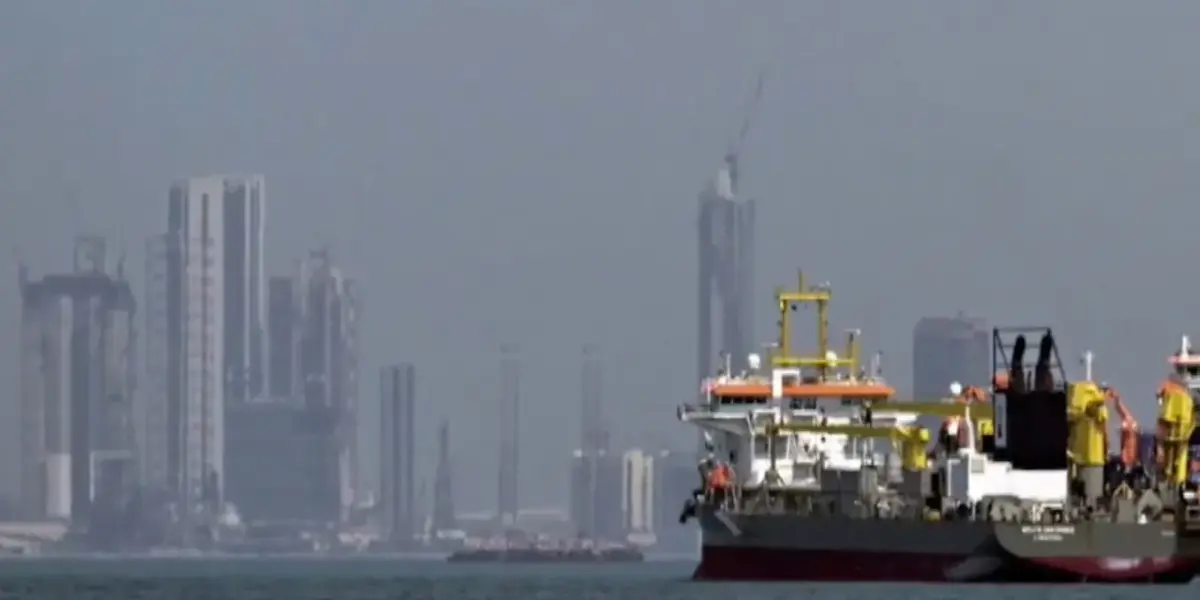
Iran’s recent actions at the Strait of Hormuz have raised serious questions about its relationship with China. For years, many believed their partnership was strong, almost unbreakable. However, the decision to turn away two Chinese container ships near Iran shows this might not be the case. This event highlights a growing problem that is not only hurting global trade but also revealing the limits of China’s power in the Middle East. Despite trying to use its influence, China is finding it hard to ensure its ships can travel safely. This is starting to affect China’s own factories back home.
On a recent Friday, ship tracking data showed two Chinese vessels being turned back near Iran. The Strait of Hormuz, a vital waterway for global shipping, had its traffic restricted by Iran. Iran stated that only ships carrying essential goods like household items, cars, and medicines could pass through. This effectively blocked many other foreign ships from entering.
China’s Diplomatic Push Falls Short
Sources suggest that Beijing has been trying to fix this issue. China’s Foreign Minister, Wang Yi, reportedly asked Iran to allow Chinese ships safe passage. However, these efforts have not yet succeeded. Iran has maintained its position, saying it will only allow certain types of cargo to pass. This puts more pressure on Beijing as it decides how much it’s willing to do to protect its trade routes.
Economic Strain Hits Chinese Factories
The consequences are already being felt in China. Manufacturers in the southern part of the country are experiencing delays and canceled orders. This is because shipping routes are becoming less reliable. Some factories are slowing down or even stopping their production completely. Thousands of shipping containers are now stuck, unable to reach their destinations. What China once saw as a chance to gain more power in the region is now becoming a financial burden. This could spread throughout China’s economy, which relies heavily on exports.
Why This Matters
The Strait of Hormuz is one of the most important shipping lanes in the world. About a fifth of the world’s oil passes through this narrow waterway every day. If shipping here is disrupted, it affects the price of oil and goods globally. For China, which imports a lot of oil and exports many manufactured goods, stability in this region is very important. Iran’s decision to restrict passage not only impacts China but also other countries that rely on these trade routes.
Historical Context
Iran and China have been strengthening their ties in recent years, signing economic and security agreements. China has also been a major buyer of Iranian oil, often bypassing international sanctions. This has been seen as a way for both countries to counter Western influence. However, this incident shows that even close partners can face challenges, especially when national interests are at stake. Iran’s actions suggest it is willing to prioritize its own needs, even if it means straining its relationship with a key ally like China.
Future Outlook
This event could lead to a reevaluation of the China-Iran relationship. China may need to find new ways to ensure its trade security, perhaps by diversifying its shipping routes or increasing its diplomatic pressure. Iran, on the other hand, might be testing how far it can push its partners before they push back. The situation in the Strait of Hormuz remains tense, and its impact on global trade and international relations will likely be felt for some time. It also raises questions about the reliability of trade partnerships when geopolitical tensions rise.
The incident in the Strait of Hormuz highlights the complex realities of international trade and diplomacy. It shows that even strong alliances can be tested by immediate national concerns.
Source: Iran Turns Away Chinese Ships at Strait of Hormuz (YouTube)

Related Articles

G7 Allies Clash Over Iran War Strategy, Urge Focus on Russia
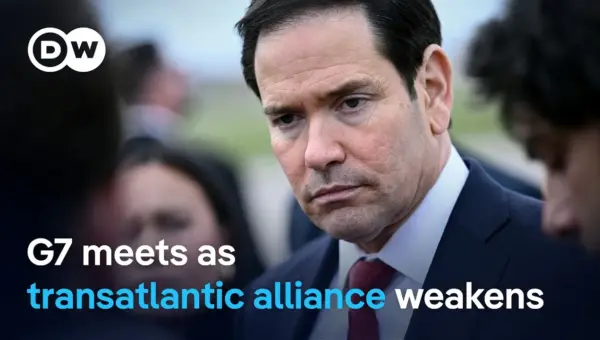
G7 foreign ministers met in Paris, revealing deep divisions over the U.S. war with Iran. European allies urged the U.S. to pressure Russia, linking its actions to the conflict and fearing support for Ukraine will wane.
Rubio: US Can Achieve Iran War Goals Without Troops
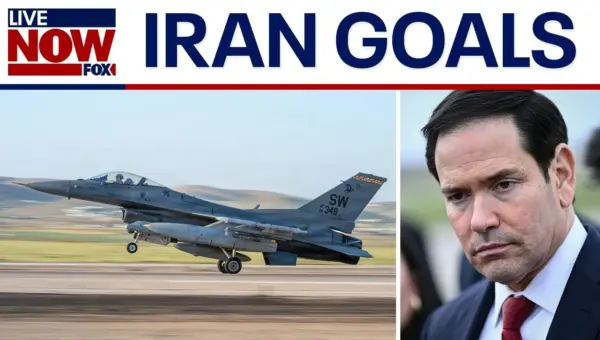
Senator Marco Rubio outlined a strategy to counter Iran without deploying U.S. ground troops, focusing on weakening the regime and enhancing maritime security. He also criticized Cuba's economic system and expressed concerns about West Bank violence.
Trump’s “Walk Away” Tactic Signals Tougher Stance on China
Retired Air Force Brigadier General David Stillwell believes President Trump's strategy of being willing to walk away from negotiations puts pressure on China. This tactic, combined with US global actions and strengthened alliances, signals a more assertive American foreign policy.