Iran Blocked; Oil Prices Surge; Mideast Tensions Rise
President Trump has ordered a naval blockade of the Strait of Hormuz following failed negotiations with Iran. This move aims to pressure Iran over its nuclear program and has led to warnings of higher gas prices and increased regional tensions. Meanwhile, Israel escalates its efforts against Hezbollah ahead of crucial talks.

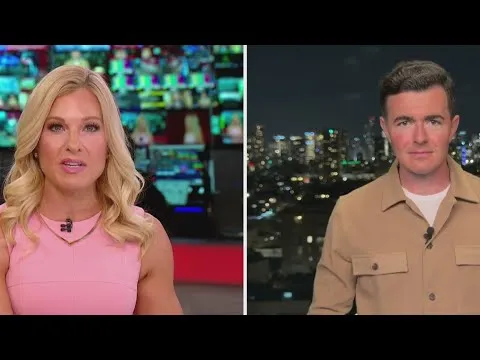
Strait of Hormuz Blockade Escalates Iran Tensions
President Donald Trump has announced a complete blockade of the Strait of Hormuz, a crucial waterway for global oil. This move comes after marathon negotiations with Iran ended without a peace deal. Trump stated the U.S. Navy will stop any ships trying to enter or leave the strait. He also ordered the Navy to intercept vessels that have paid tolls to Iran, calling it “world extortion.” The goal is to pressure Iran to back away from its nuclear ambitions.
The United States Navy is now working to clear mines placed by Iran in the strait. Trump insists he wants Iran to agree to his terms fully, not just partially. He believes Iran will eventually return to negotiations and give the U.S. everything it wants. This action significantly raises the stakes in the ongoing standoff.
Nuclear Deal Stalemate Fuels Conflict
Negotiations in Islamabad failed to secure a peace deal. The main sticking point was Iran’s refusal to commit to not seeking nuclear weapons. The U.S. administration felt they had been flexible, but Iran’s delegation did not accept their terms. Iran’s parliament speaker stated that a lack of trust prevented progress. He explained that their delegation presented forward-looking initiatives, but these failed to gain the trust of the opposing side.
The Iranian Revolutionary Guard Corps (IRGC) warned that any naval ships approaching the Strait of Hormuz would be seen as a violation of the current cease-fire. This threat highlights the fragile nature of the ongoing truce. All parties involved, including the U.S., Iran, and regional players, are reportedly ready for potential fighting.
Global Oil Market Faces Uncertainty
The blockade of the Strait of Hormuz, through which about 20% of the world’s oil passes, is expected to cause a significant rise in oil prices. President Trump warned that gas prices could be the same or even higher by the upcoming midterm elections. This disruption to oil supply could have far-reaching economic consequences globally.
The conflict is also affecting air travel. Increased fuel costs and potential disruptions could lead to higher baggage fees and ticket prices for summer getaways. This adds another layer of economic pressure on consumers already facing rising costs.
Israel-Lebanon Talks Intensify Amid Regional Fears
Meanwhile, Israel is increasing pressure ahead of cease-fire talks with Lebanon. Prime Minister Benjamin Netanyahu is doubling down on Israel’s mission to eliminate the Iranian-backed group Hezbollah, which operates out of Lebanon. These talks, set to take place in Washington D.C., are seen as crucial for preventing a wider regional war.
The situation in the Middle East remains highly volatile. The actions in the Strait of Hormuz and the ongoing tensions between Israel and Hezbollah create a complex geopolitical environment. The success of diplomacy in de-escalating these conflicts will be critical in the coming weeks.
Historical Context
The Strait of Hormuz has long been a strategic chokepoint. Its importance in international trade, particularly for oil, has made it a frequent site of geopolitical tension. Past incidents, like the Iran-Iraq War, have shown how easily this waterway can become a flashpoint for regional conflict. The current blockade echoes historical attempts to control or disrupt maritime trade in the region.
Economic Leverage
The U.S. blockade aims to cut off Iran’s oil revenue, a key source of funding for its government and military. By controlling access to the strait, the U.S. seeks to exert significant economic pressure. Iran’s reliance on oil exports makes it vulnerable to such measures. The threat of interdiction also impacts global oil markets, influencing prices and supply chains.
Shifting Power Balances
The current events highlight the complex web of alliances and rivalries in the Middle East. The U.S. is taking a strong stance against Iran’s actions, while regional actors like Israel are also increasing their pressure. The outcome of these diplomatic and military maneuvers will likely reshape regional power dynamics and influence international relations for years to come.
Future Scenarios
One possible scenario is that the blockade forces Iran back to the negotiating table, leading to a new agreement on its nuclear program. Another possibility is that the tensions escalate into wider military conflict, drawing in more regional and international powers. A third scenario involves a prolonged period of high tension and sporadic clashes, with the cease-fire holding but remaining fragile.
Source: Trump warns gas prices could be higher by midterms | NewsNation Live (YouTube)

Related Articles


Iran Deal Fallout: Trump’s Claims Clash With Reality
President Trump claimed Iran had no leverage, but the difficulty in reaching a deal suggests otherwise. Critics argue this approach weakened the U.S., allowing Iran to gain influence via the Strait of Hormuz. This highlights the ongoing debate between military might and diplomatic strategy in foreign policy.
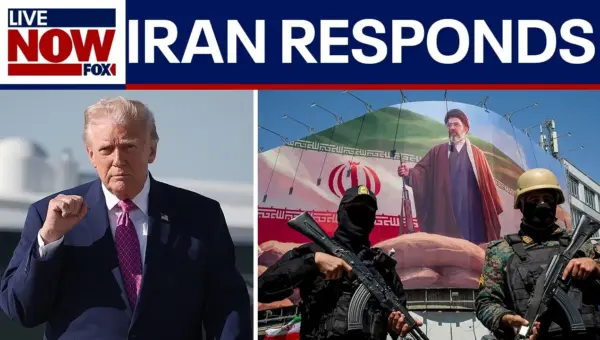
Iran Warns Trump Over Hormuz Strait Blockade Threat
Iran has issued a stern warning against any U.S. military vessels attempting to blockade the Strait of Hormuz, calling it a violation of a ceasefire. The U.S. blockade aims to cut off Iran's oil revenue, impacting both Iran and China. The situation is at a critical juncture, with potential for further escalation.
Iran Talks Collapse: US Blocks Strait, Escalates Tensions
Peace talks between the U.S. and Iran have collapsed over Iran's nuclear ambitions. In response, the U.S. Navy has initiated a blockade of the Strait of Hormuz, escalating tensions and threatening global oil supplies. This move follows Iran's refusal to meet key American demands.