Iran Begs US for Deal After Military Strike, Trump Claims
President Trump claims Iran is 'begging' for a deal after extensive US military strikes, which have reportedly destroyed much of Iran's naval power. The US has presented a peace plan, which Iran has rejected, while also warning of further actions if no agreement is reached.

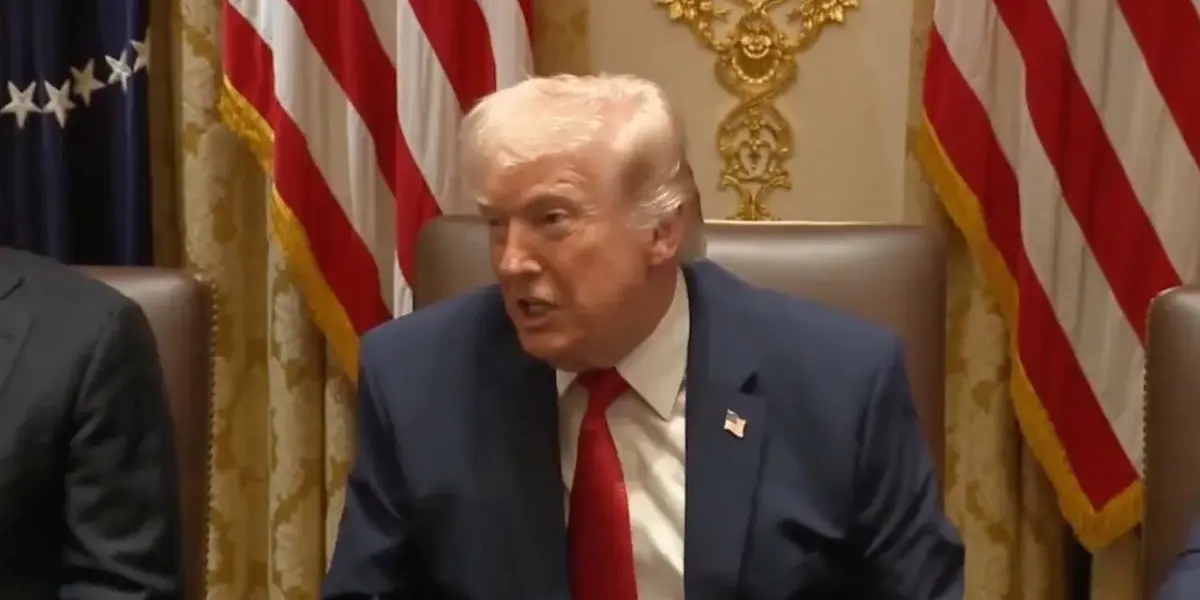
Iran Seeks Deal Amid US Military Pressure, Trump Says
President Trump recently stated that Iran is now desperate to make a deal with the United States. This comes after significant military actions against Iran. The President mentioned that Iran allowed ten oil tankers to pass through the Strait of Hormuz, calling it a ‘present’ to the US. This event happened during the first cabinet meeting since the conflict with Iran began.
US Peace Plan Delivered to Iran
Special envoy Steve Wickoff confirmed at the meeting that the US has offered a 15-point peace plan to Iran. Although Iran has reportedly turned down this plan, President Trump remains firm. He insists that Iran is the one seeking talks and is ‘begging’ for an agreement. Trump emphasized that the US is not desperate, but rather Iran is.
“They want to make a deal. The reason they want to make a deal is they have been just beat to sh like the fake news New York Times which writes so fake. I mean, I read a story today that I’m desperate to make a deal. I’m not I don’t if I was desperate, he’d be the first to know. Pete, let’s get the hell out of there. I’m I’m the opposite of desperate.”
The President also indicated that the US has more targets in Iran it wishes to hit before withdrawing. He described the passage of oil tankers through the Strait of Hormuz as a sign that the US is communicating with influential figures in Iran. However, Trump also issued a stern warning.
“But they now have the chance, that is Iran, to permanently abandon their nuclear ambitions and to chart a new path forward. We’ll see if they want to do it. If they don’t, we’re their worst nightmare. And we have the ultimate dealmaker to make it happen. Uh but in the meantime, as I said yesterday, the Department of War will continue negotiating with bombs.”
US Military Strikes and Casualties
US Central Command reported hitting over 10,000 targets in Iran. These strikes have reportedly destroyed about two-thirds of Iran’s naval capabilities. In a related development, both the US and Israel confirmed the killing of a senior Iranian naval commander. This commander was reportedly responsible for blocking the Strait of Hormuz.
Moments of Levity Amid Tensions
Despite the serious nature of the military conflict, the President managed to inject some humor during the cabinet meeting. When asked by a reporter if US troops would enter Iran to secure its enriched uranium stockpiles, Trump responded playfully.
“Are you going to go in for the uranium? Like how do you secure Iran? And >> let’s assume I was or I wasn’t. Why would I ever answer a question?”
He also joked about his popularity in Venezuela, humorously suggesting he might consider running for president there after his term in the US. These lighthearted moments provided a contrast to the ongoing military operations and diplomatic discussions.
Why This Matters
This situation highlights the intense pressure the US is exerting on Iran. The military strikes aim to cripple Iran’s capabilities, while the diplomatic efforts, including the peace plan, offer a path to de-escalation. President Trump’s public statements suggest a strategy of projecting strength and signaling that Iran is the party facing greater pressure to negotiate. The mention of further targets indicates a willingness to continue military operations if diplomatic progress is not made.
Historical Context
Tensions between the US and Iran have a long history, marked by geopolitical disagreements and military confrontations. The Strait of Hormuz is a critical chokepoint for global oil supplies, making any disruption there a significant international concern. Past incidents have often involved naval standoffs and concerns over Iran’s nuclear program. The current situation appears to be an escalation of these long-standing issues.
Implications and Future Outlook
The US strategy appears to be a combination of military pressure and diplomatic negotiation. If Iran continues to resist, the US may carry out further strikes, potentially impacting more targets. The passing of oil tankers could be interpreted as a sign of de-escalation from Iran, or a strategic move to avoid further conflict. The effectiveness of the US peace plan remains uncertain, as Iran has reportedly rejected it. The future outlook depends on Iran’s response to the continued pressure and the potential for a negotiated settlement. The mention of ‘negotiating with bombs’ suggests a belief that military action can create leverage for diplomatic talks.
Source: Iran ‘Begging’ to Make a Deal as US to Hit More Targets (YouTube)

Related Articles


Israel Escalates Iran Strikes, Warns of Wider War
Israel has launched significant strikes inside Iran following continued missile fire, warning of further escalation. The conflict risks wider regional instability and economic disruption, especially concerning the Strait of Hormuz.
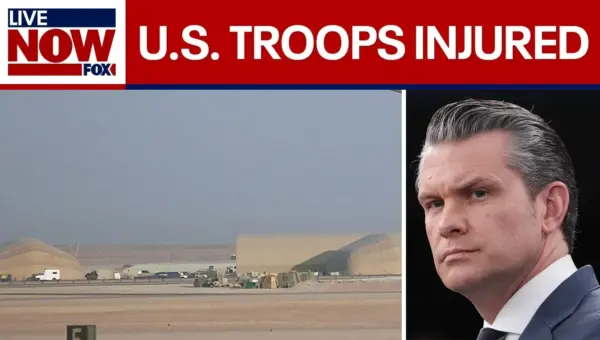
US Troops Wounded in Saudi Base Attack by Iran
An Iranian missile attack on Prince Sultan Air Base in Saudi Arabia wounded multiple U.S. service members and damaged aircraft. The incident highlights the ongoing risks in the Middle East and the limitations of air defense systems. Analysts discuss the strategic implications, economic pressures, and the isolation of Iran amidst the conflict.
Trump Boasts Military Might, Slams Iran at Investment Summit
Former President Donald Trump spoke at the FII Priority Summit, detailing his administration's assertive stance against Iran and emphasizing the strength of the U.S. military. He claimed credit for dismantling Iran's military capabilities and preventing its nuclear ambitions. Trump also criticized NATO while praising Middle Eastern allies and touched on domestic issues like border security.