Iran-Backed Militia Trades Journalist for Prisoners
American journalist Shelly Kittleson has been released after being kidnapped in Baghdad by the Iran-backed militia Kataib Hezbollah. Her freedom was secured through a negotiated release that reportedly included the exchange of imprisoned militia members. The incident highlights the complex security and political landscape in Iraq.


Iran-Backed Militia Trades Journalist for Prisoners
A tense situation in Iraq involving the kidnapping of American freelance journalist Shelly Kittleson has ended with her release. Kittleson, 49, was taken from a street in Baghdad on March 31st. After a week in captivity, Iraqi officials confirmed her freedom. She had spent over ten years reporting from the region but ignored warnings from American officials about potential dangers.
Because Kittleson did not have a security team, she became an easy target for kidnappers. Iraqi authorities arrested one of the individuals involved after his car crashed during a chase. However, the other kidnappers managed to escape with Kittleson in a second vehicle. A quick operation to find the missing American was launched immediately.
Negotiated Release and Key Conditions
Iraqi officials stated that Kittleson was freed after an Iran-backed militia released a statement. The group said they would release their captive only if she left Iraq right away. This was not their only demand. Officials from Kataib Hezbollah, the militia group, also told The Associated Press that several imprisoned militia members would be released in exchange for Kittleson. This is the first time the group has been confirmed as being behind a kidnapping of this nature.
Both U.S. and Iraqi officials had already pointed fingers at the militia. Kataib Hezbollah has a history of kidnapping foreigners. For example, a Princeton student was held captive by the group for over two years before being released in 2015. Fortunately, Kittleson’s captivity was much shorter.
U.S. Official Confirmation and Diplomatic Protocol
U.S. Secretary of State Antony Blinken confirmed Kittleson’s release on social media. He stated he was pleased to announce her freedom and that she was kidnapped by members of the foreign terrorist organization Kataib Hezbollah near Baghdad. The U.S. is relieved she is safe and working to support her departure from Iraq. This event has defused another tense situation in the Middle East.
However, the specifics of the negotiated release are still being clarified. It is unusual for the State Department to confirm the release of an abducted American until they are in government hands or safely out of the country. Kittleson’s immediate departure from Iraq was a condition of her freedom. The State Department is actively working to get her safely out of the country.
Motivations and Background of Actors
Shelly Kittleson, a freelance journalist, had been living and working in the Middle East for over a decade. While freelancers often have security, it typically comes with a crew. She had reportedly been warned multiple times by the State Department to leave the area, even the night before her abduction. Despite these warnings, she chose to stay.
Kataib Hezbollah is a prominent Iran-backed militia operating in Iraq. These groups often act with significant autonomy from the Iraqi government, sometimes creating complex diplomatic challenges. Their motivations can include asserting influence, extracting concessions, and demonstrating their power against foreign presence. The demand for prisoner releases is a common tactic used by such groups to gain leverage and free their own members.
Global Impact and Regional Dynamics
The kidnapping and subsequent negotiated release highlight the ongoing instability in Iraq and the broader Middle East. Iran-backed militias represent a significant force within Iraq, often complicating U.S. diplomatic and security interests. The involvement of Kataib Hezbollah underscores the intricate web of alliances and rivalries in the region, where non-state actors wield considerable power.
The incident also draws attention to the risks faced by journalists working in conflict zones. Kittleson’s decision to remain despite warnings raises questions about journalistic independence versus personal safety in high-risk environments. The prisoner swap, if confirmed, suggests a willingness by the militia to engage in direct negotiations for its members, reflecting a strategic calculation of their value.
Future Scenarios and Outlook
The immediate future for Shelly Kittleson involves her safe departure from Iraq. The U.S. government’s priority is her well-being and return home. For the region, this event is another reminder of the persistent challenges posed by armed groups operating outside state control.
The long-term implications could include increased scrutiny of freelance journalists’ safety protocols and potentially tighter U.S. diplomatic engagement with Iraq regarding the influence of Iran-backed militias. The confirmed involvement of Kataib Hezbollah and the reported prisoner exchange may also shape future negotiations and security strategies in the region. The situation remains fluid, with ongoing efforts to ensure Kittleson’s secure exit and to understand the full details of the exchange.
Source: Prisoner swap ensured Shelly Kittleson's release: Source | Jesse Weber Live (YouTube)

Related Articles

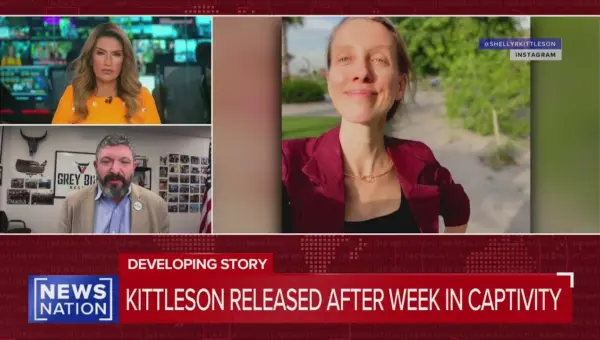
Iran-Backed Militia Flexes Power in Journalist’s Release
An American journalist, Shelly Kittleson, was released after being kidnapped in Iraq by the Iran-backed militia Kata'ib Hezbollah. The group's actions highlight its significant influence and sophisticated use of leverage in the region. This incident underscores the broader risks faced by journalists operating in conflict zones.

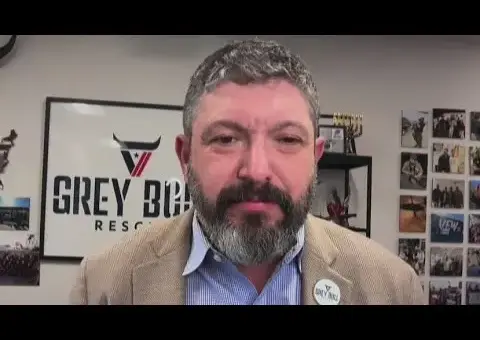
Iraq Militia Uses Journalist as Leverage, Signals Power
An American journalist, Shelly Kittleson, was freed after being kidnapped in Iraq by the Iran-backed Kata'ib Hezbollah militia. The group used her as leverage, demonstrating their power and sophisticated communication tactics. This incident highlights the significant risks journalists face and the complex influence of non-state actors in conflict zones.

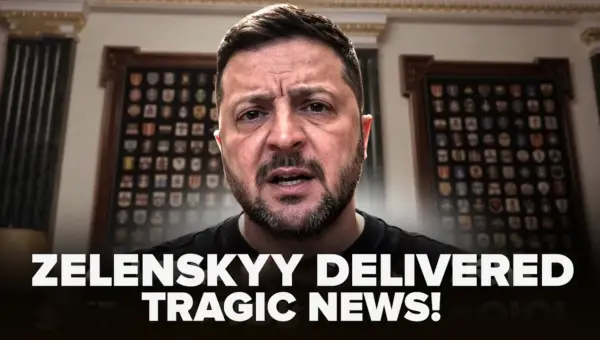
Odesa Hit: Ukraine Vows Tougher Sanctions
Following a deadly overnight strike on Odesa that killed three civilians, President Zelenskyy vowed to increase pressure on Russia. Ukraine is pushing for stronger international sanctions, particularly on Russian oil exports, believing financial losses are key to ending the war. Kyiv is also expanding its global security and diplomatic partnerships.