Iran-Backed Militia Suspected in Journalist Kidnapping
American journalist Shelly Kittleson was kidnapped in Baghdad by a suspected Iranian-backed militia. U.S. officials were aware of threats to her. The incident highlights the dangers freelance journalists face and the complex geopolitical landscape in Iraq.

Iran-Backed Militia Suspected in Journalist Kidnapping
A seasoned American journalist has been taken in broad daylight on a street in Baghdad. Shelly Kittleson, a freelance reporter with two decades of experience in the Middle East, was kidnapped on Tuesday. New video shows the frightening moment she was grabbed. Men are seen approaching her and forcing her into a waiting car. They then sped away. Iraqi security forces tried to chase the kidnappers. They arrested one suspect after the car he was driving crashed. However, the other kidnappers escaped with Kittleson in a second car.
U.S. officials believe an Iranian-backed group took Kittleson. This group has been linked to the kidnappings of other foreigners before. However, the group has not yet said it was responsible for this latest kidnapping. Before Kittleson was taken, Iraqi officials say they warned the United States about threats to her. Dylan Johnson, the U.S. Assistant Secretary of State for Public Affairs, confirmed this. He stated the State Department had warned Kittleson about dangers. The U.S. will work with the FBI to get her released quickly.
Intelligence Points to Baghdad Location
There are leads in the case. An Iraqi intelligence source believes Kittleson is being held somewhere in Baghdad. Authorities have information about her kidnappers. They are using this information to try and secure her freedom. Kittleson’s mother, Barb Kittleson, heard about the kidnapping from a news report. She was at her home in Wisconsin when she learned the news. The FBI visited her just a few hours later. Barb Kittleson last emailed her daughter on Monday. She shared her worries about Shelley’s dangerous job. Barb Kittleson quoted her daughter saying, “Journalism is what you wanted to do. So bad at one or to come home and not do it. But she said I’m helping people.”
The Risks of Reporting in Conflict Zones
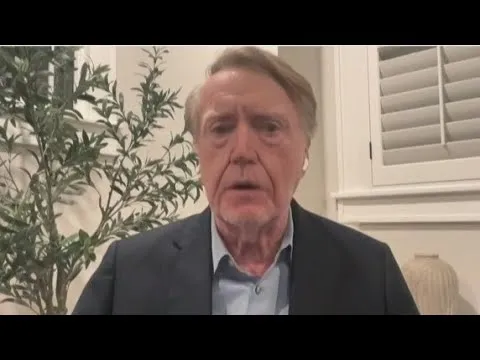
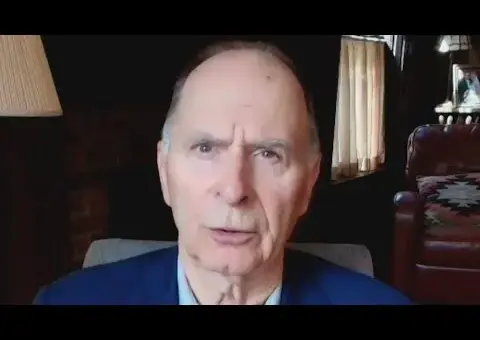
Journalism can be a very dangerous profession. Mike, a veteran journalist with many awards, has covered nearly every conflict for almost 40 years. He worked for major news networks like CNN, NBC, and ABC. He has covered wars in El Salvador and Iraq. During his career, he was kidnapped and barely escaped with his life. He shared his thoughts on Kittleson’s situation. He believes she should have paid attention to the warnings. He has not seen such a dangerous threat environment in 50 years of journalism, much of it overseas.
When being kidnapped, a person has split seconds to decide how to react. If someone is being grabbed like that, they should try to make noise and resist before being put in a car. Once inside the vehicle, they are at the mercy of their captors. The situation then becomes about survival and trying to negotiate. Journalists have value to groups like this. They often have a higher profile in war zones. Kidnapping a journalist can attract more attention to the group’s message. This is a goal for many terrorist groups. They want to spread their message to as many people as possible. Kidnapping a reporter multiplies that exposure.
Freelancers Face Greater Danger
Kittleson was reportedly staying with local families instead of in a fortified hotel. While knowing a region and its people can be helpful, it can also be dangerous. Being an American in a war zone makes you a target. Staying in a secure hotel with guards might have offered more protection. Freelance journalists often lack the extensive security teams that network correspondents have. These teams can include former special forces members. Even with high security, like 12-foot blast walls and security cameras, attacks can still happen. Mike recalled an incident in Baghdad where his team was hit by a suicide bombing despite these measures. He stated, “If they want to get you, they’re going to get you.”
The Role of Iranian Proxies
Authorities are considering a specific group that might be responsible for Kittleson’s kidnapping. This group is known to be an Iranian proxy. Intelligence assessments describe them as extremely dangerous. The hope is that keeping Kittleson alive will be more valuable to them than harming her, similar to how ISIS sometimes held hostages like James Foley. The current situation is frightening, with a loss of control and a fight for survival.
Potential Back-Channel Negotiations
If Kittleson is to be released, negotiations are likely happening behind the scenes. These discussions might involve one of the Iranian proxy groups. In Iraqi politics, some groups, while extreme, have connections with Iran and are not officially listed as terrorist groups by the U.S. These groups could be used for back-channel communication. Negotiations would likely go through these political groups that have influence with Iran.
Global Impact
The kidnapping of Shelly Kittleson highlights the ongoing dangers faced by journalists in conflict zones. It also points to the complex geopolitical dynamics in the Middle East. The suspected involvement of an Iranian-backed group raises concerns about regional stability and the reach of Iranian influence. The U.S. government’s response, including warnings and coordination with the FBI, underscores the challenges of protecting citizens abroad. The situation also brings attention to the difficulties faced by freelance journalists who often lack the resources and security of larger news organizations. The potential for back-channel negotiations with groups linked to Iran shows the intricate web of diplomacy and power plays in the region.
Source: Colleague fears for Shelly Kittleson, journalist taken in Iraq | Jesse Weber Live (YouTube)

Related Articles

Trump Fires AG Bondi, Iran Tensions Rise, Artemis II Heads to Moon
Attorney General Pam Bondi has been fired by President Trump, with Deputy AG Todd Blanche stepping in as acting AG. Amidst rising oil prices and escalating tensions, the U.S. warns Iran as the Artemis II mission successfully heads towards the Moon. Golfer Tiger Woods was arrested for DUI and is stepping away for treatment.
US Fighter Jet Crashes in Iran; Rescue Mission Underway
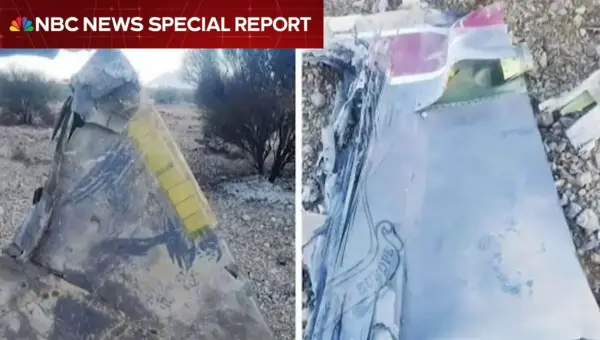
A U.S. F-15 fighter jet crashed inside Iran on Friday, prompting an urgent search and rescue mission. U.S. officials confirmed the incident, while Iranian state media reported the downed aircraft and offered a reward for the capture of the crew. The White House has been briefed, and the event raises questions about the ongoing U.S. military operations and potential escalation.

Iran Downs US Jet, Escalating Mideast Tensions
Iran has reportedly shot down a U.S. fighter jet, prompting immediate search and rescue operations for the downed airmen. This incident significantly escalates regional tensions and could alter ongoing U.S. military plans against Iran. The event highlights the volatile nature of the Middle East and the potential for miscalculation.