Iran-Backed Militia Flexes Power in Journalist’s Release
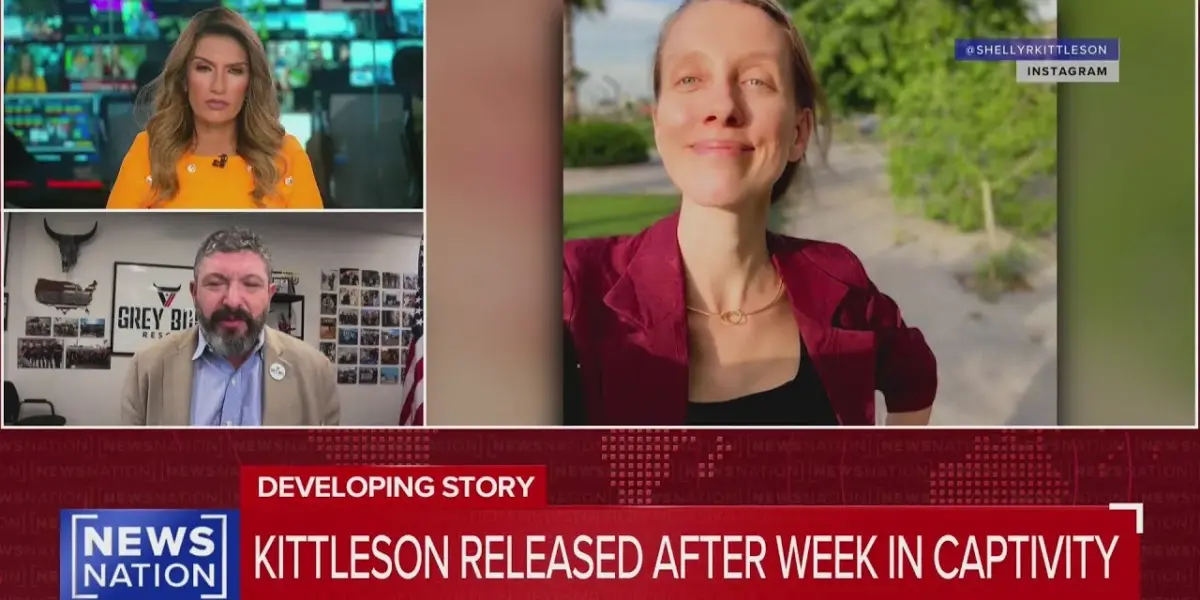
An American journalist, Shelly Kittleson, was released after being kidnapped in Iraq by the Iran-backed militia Kata'ib Hezbollah. The group's actions highlight its significant influence and sophisticated use of leverage in the region. This incident underscores the broader risks faced by journalists operating in conflict zones.

Iran-Backed Militia Flexes Power in Journalist’s Release
An American journalist, Shelly Kittleson, has been freed after being kidnapped in Baghdad last month, highlighting the complex and often dangerous geopolitical environment in Iraq. The group responsible, an Iran-backed militia known as Kata’ib Hezbollah, initially denied involvement but later claimed credit for her release. This incident underscores the significant influence of such militias within Iraq and their ability to control narratives and exert leverage on the international stage.
Militia’s Strategic Move and Messaging
Kata’ib Hezbollah’s decision to release Kittleson came with specific conditions and a clear message. They stated their action was in appreciation of the outgoing Iraqi Prime Minister’s patriotic stance. However, they also warned that such an initiative would not be repeated in the future. This calculated move serves multiple purposes for the militia.
By first denying responsibility and then claiming credit, Kata’ib Hezbollah demonstrated its control over the situation and its ability to manage public perception. This tactic suggests a sophisticated understanding of media and international relations, allowing them to dictate the terms of the story. The militia essentially sent a powerful message: they possess the operational capability to abduct individuals and the strategic foresight to orchestrate their release, all on their own terms.
The Role of Leverage and Negotiation
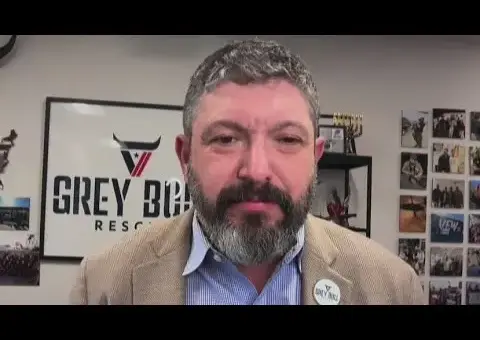
Bryan Stern, founder of the rescue organization The Gray Bear, emphasized that Kittleson’s release was not a spontaneous act of goodwill. He stated that negotiations likely occurred, even if the specific terms remain private. “These are bad people who took someone for leverage,” Stern explained. “They didn’t take her because she’s interesting or because they wanted to see what she was all about. They took her because she was a value or she could be used as leverage.”
This highlights a crucial aspect of modern conflict and diplomacy: individuals, especially those from foreign nations, can become valuable bargaining chips. The militia understood that holding an American journalist would attract global attention and potentially lead to concessions or favorable outcomes, even if those outcomes are not publicly disclosed.
Broader Risks for Journalists
While Kittleson’s case specifically involves a female journalist, Stern pointed out that the danger is not limited to women. “This isn’t a woman journalist problem. This is a journalist problem,” he asserted. He referenced other cases, like Evan Gershkovich, who has been held by Russia for months, and Austin Tice, missing for years in Syria. The risks are amplified for freelance journalists who often lack the security, resources, and institutional support that larger news organizations provide.
Operating in volatile regions without adequate protection places these individuals in a precarious position. The incident serves as a stark reminder of the inherent dangers faced by those who report from conflict zones, especially in an era where such tactics are increasingly employed for strategic gain.
Kata’ib Hezbollah’s Influence in Iraq
The ability of Kata’ib Hezbollah to carry out such an operation and then control the narrative surrounding it speaks volumes about its power within Iraq. The group is capable of abducting individuals from the streets and influencing national-level political discourse, as evidenced by their reference to the outgoing Prime Minister. This level of influence suggests that the militia operates with a significant degree of autonomy, often challenging the authority of the central Iraqi government.
Their actions demonstrate that they are not merely a fringe group but a significant force that can impact both domestic politics and international relations. The fact that they can orchestrate kidnappings and demand terms for release indicates a substantial operational capacity and a strategic agenda that extends beyond Iraq’s borders.
Global Impact: Shifting Power Dynamics
The release of Shelly Kittleson is more than just a story about a rescued journalist; it’s a glimpse into the evolving geopolitical landscape. Iran-backed militias like Kata’ib Hezbollah are increasingly acting as proxy forces, capable of projecting power and influencing events far beyond their immediate operational areas. Their sophisticated use of media and leverage suggests a growing challenge to traditional state-based diplomacy.
This incident highlights a world where non-state actors can wield considerable influence, often operating with impunity. The ability of such groups to detain foreign nationals and negotiate their release demonstrates a shift in power dynamics, where traditional security frameworks may be insufficient. The international community must grapple with how to address the growing influence of these well-armed and strategically adept non-state actors who operate in the shadows of international law.
Historical Context
The rise of powerful, Iran-backed militias in Iraq is rooted in the post-2003 invasion era. Following the collapse of Saddam Hussein’s regime, various Shia militias emerged, often with support from Iran, to counter perceived threats and assert influence. Kata’ib Hezbollah, formed in the mid-2000s, has grown into one of the most prominent and well-equipped of these groups. Their involvement in regional conflicts, including Syria and Yemen, further solidifies their role as a key component of Iran’s regional strategy.
Historically, the use of hostages or captured individuals as political leverage is not new. However, the current context sees these tactics employed by sophisticated, well-funded non-state actors who can leverage advanced communication technologies and global media attention to achieve their objectives. This makes the challenge of resolving such situations more complex than in previous eras.
Economic Leverage and Future Scenarios
While specific economic terms of Kittleson’s release were not disclosed, the underlying principle is clear: individuals can be used as economic or political leverage. Militias can demand funds, the release of prisoners, or other concessions in exchange for hostages. The international community’s response, including sanctions and diplomatic pressure, often plays a role in shaping the outcomes of these negotiations.
Looking ahead, several scenarios are possible. One is a continued increase in such incidents as these militias become more emboldened and their capabilities grow. Another scenario involves a more coordinated international effort to de-escalate tensions and establish clearer boundaries for non-state actors. A third possibility is a period of relative calm, driven by shifting regional alliances or internal pressures within the militias themselves. However, given the current geopolitical climate and the demonstrated capabilities of groups like Kata’ib Hezbollah, the risk of further incidents remains significant.
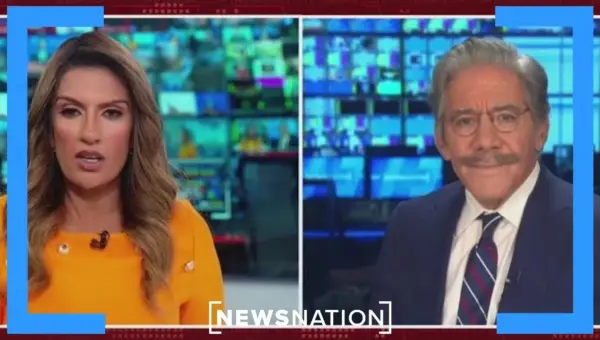
Source: Kittleson Released After Week in Captivity | NewsNation Live (YouTube)

Related Articles

Iraq Militia Uses Journalist as Leverage, Signals Power
An American journalist, Shelly Kittleson, was freed after being kidnapped in Iraq by the Iran-backed Kata'ib Hezbollah militia. The group used her as leverage, demonstrating their power and sophisticated communication tactics. This incident highlights the significant risks journalists face and the complex influence of non-state actors in conflict zones.
Iran Deal Risk: Quick Pact Could Ignite Bigger War
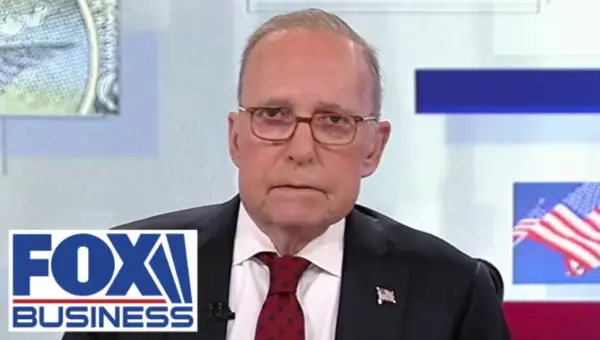
A swift agreement with Iran carries the risk of escalating into a larger conflict, warns former advisor Larry Kudlow. He emphasizes the need for rigorous verification, citing Iran's history of unfulfilled promises and its advanced nuclear and missile capabilities. The vast gap in demands between Iran and the U.S. makes a quick deal unlikely, while President Trump signals readiness for decisive military action.

US Tightens Iran Stranglehold with Deadline
The Trump administration has issued a firm deadline to Iran, threatening further military action if the regime does not alter its behavior. This escalation follows strikes on key oil infrastructure and highlights deep-seated U.S. grievances against Iran.