Iran-Backed Militia Accused of Kidnapping US Journalist
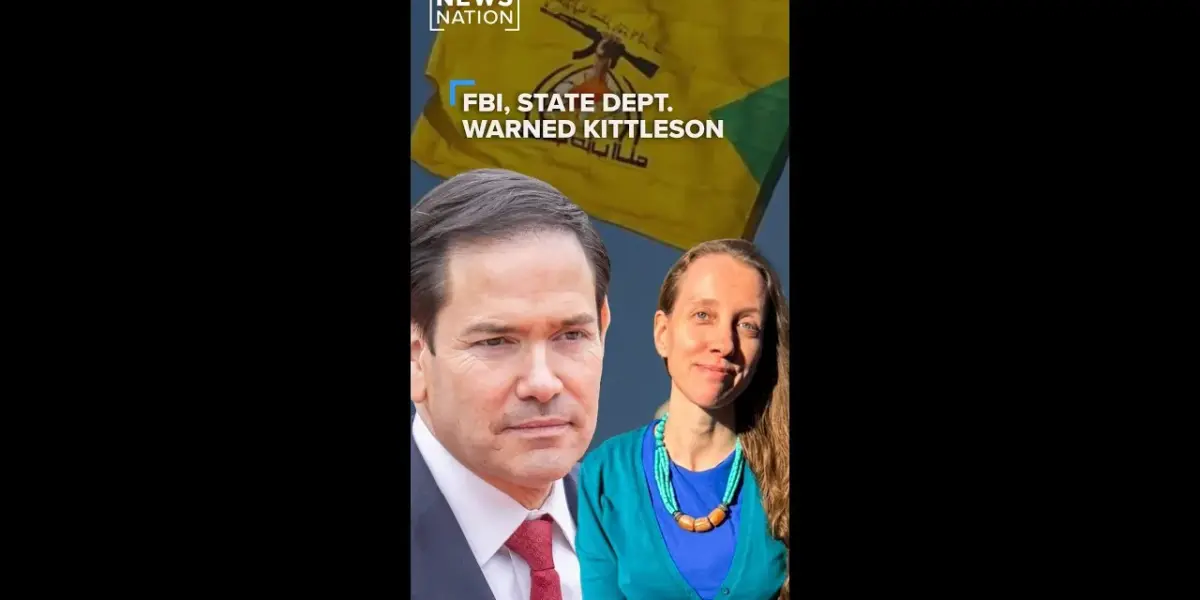
A U.S. journalist, Shelley Kettlesen, was kidnapped in Baghdad, with U.S. officials blaming Iran-backed Katib Hezbollah. The FBI had warned Kettlesen of potential danger, highlighting the risks faced by journalists in Iraq and the ongoing tensions involving Iran and its regional proxies.

Iran-Backed Militia Accused of Kidnapping US Journalist in Baghdad
A U.S. journalist, Shelley Kettlesen, has been kidnapped in Baghdad, Iraq. U.S. officials believe an Iran-backed militia group called Katib Hezbollah is responsible. The FBI had warned Kettlesen that she was a target before her abduction. This event highlights the ongoing dangers for foreign journalists working in Iraq and the complex geopolitical tensions involving Iran and its regional proxies.
Warnings Ignored Amidst Rising Tensions
Shelley Kettlesen, a freelance journalist, was reportedly warned multiple times by both the FBI and the State Department that she was at risk. These warnings were issued even on the night before her kidnapping in Baghdad. An FBI official described her actions as “playing with fire,” suggesting she may have been reporting on sensitive issues or in dangerous areas. The State Department maintains a Level 4 travel advisory for Iraq, which means “Do Not Travel” due to extreme dangers.
Katib Hezbollah: A History of Conflict
U.S. officials are pointing to Katib Hezbollah, an Iraqi militia group with strong ties to Iran, as the likely perpetrator. Retired Lieutenant Colonel Mike Nelson explains that this group has a long history of opposing U.S. interests and has been involved in past abductions of foreign nationals. Katib Hezbollah is known for its military operations and its alignment with Iran’s foreign policy objectives in the Middle East. Such groups often use kidnapping as a tactic to exert political pressure or to retaliate against perceived foreign interference.
Geopolitical Context: Iran’s Influence in Iraq
The alleged actions of Katib Hezbollah are part of a larger pattern of Iran’s influence in Iraq. Iran supports numerous militia groups within Iraq, which it uses to project power and counter rivals like the United States and Saudi Arabia. These groups often operate with a degree of autonomy, but their actions are generally seen as serving Iran’s strategic interests. The kidnapping of an American journalist could be intended to signal Iran’s reach and its willingness to challenge U.S. presence and influence in the region. It also complicates efforts by the Iraqi government to assert its own authority and maintain stability.
Economic and Diplomatic Pressures
The United States has used various tools to counter Iran’s influence and the actions of groups like Katib Hezbollah. These include economic sanctions targeting Iran and its affiliated organizations, as well as diplomatic efforts to isolate Tehran. However, these measures have had mixed success. Iran continues to support proxy groups, and these groups often find ways to circumvent sanctions. The kidnapping of Kettlesen could lead to renewed calls for stricter sanctions or more assertive diplomatic actions against Iran and the militias it backs. The U.S. also relies on its relationship with the Iraqi government, but Baghdad often finds itself caught between its U.S. partners and powerful Iran-backed factions within its own borders.
Global Impact: Freedom of the Press and Regional Stability
This incident has significant implications beyond the immediate case of Shelley Kettlesen. It raises serious concerns about the safety of journalists reporting from conflict zones and areas with high geopolitical tension. The ability of the press to operate freely is crucial for informing the public about complex international issues. Furthermore, the actions attributed to Katib Hezbollah contribute to regional instability. They can escalate tensions between the U.S. and Iran, potentially leading to wider conflicts. The kidnapping also underscores the challenges faced by Iraq in establishing security and sovereignty amidst the influence of powerful external actors and internal militias.
Future Scenarios
Several outcomes are possible following this kidnapping. The U.S. may apply increased diplomatic pressure on Iraq to secure Kettlesen’s release. There could also be a push for further sanctions against Katib Hezbollah and its financiers. Alternatively, if negotiations fail, the U.S. might consider more direct actions, though this carries significant risks of escalation. The Iraqi government will likely be under pressure to demonstrate its capability to protect foreign nationals and assert control over armed groups. The situation highlights the persistent challenges of navigating the complex web of alliances and rivalries in the Middle East.
Source: ‘Kittleson was playing with fire’: FBI Official | NewsNation (YouTube)

Related Articles

Strait of Hormuz Tensions Risk Wider Middle East War
Efforts to secure the vital Strait of Hormuz risk triggering a wider Middle East war, according to UN warnings and security analysts. The narrow waterway is crucial for global trade, and forcing it open against Iran's objections could escalate regional tensions dramatically. Experts highlight the complex geography, Iran's remaining military capabilities, and the involvement of regional players as key factors in the volatile situation.

Iran Claims Jet Downed, Escalates Regional Attacks
Iran claims it shot down a U.S. fighter jet, marking a significant escalation in regional tensions. The U.S. has been targeting Iranian infrastructure, while Iran and its allies have launched retaliatory strikes across the Middle East, impacting oil facilities and causing injuries. The critical Strait of Hormuz remains a key point of contention.
Trump Escalates Iran Tensions, Targets Infrastructure
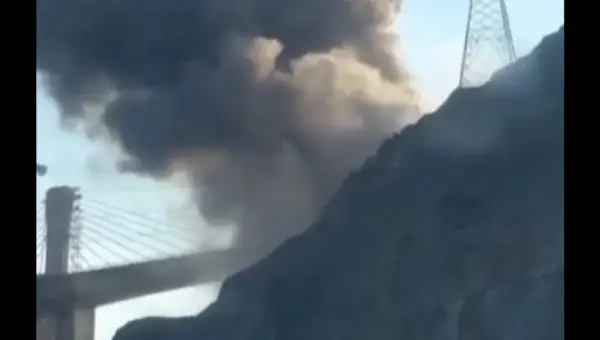
President Trump has warned of intensified strikes against Iran, targeting infrastructure like bridges and power plants. This strategy aims to pressure the regime into peace talks, though Iranian officials condemn it as an attack on civilian life. U.S. officials state the strikes target military supply routes to undermine Iran's capabilities.