Iran-Backed Houthis Attack Israel; US Troops Injured
Iranian-backed Houthi rebels have claimed responsibility for a missile launch targeting Israel, which was intercepted by Israeli forces. This escalation follows an Israeli strike on Iranian nuclear facilities and a prior Iranian retaliatory attack that injured U.S. troops. Experts suggest Iran's actions aim to project strength despite internal weaknesses and economic hardship for its population.

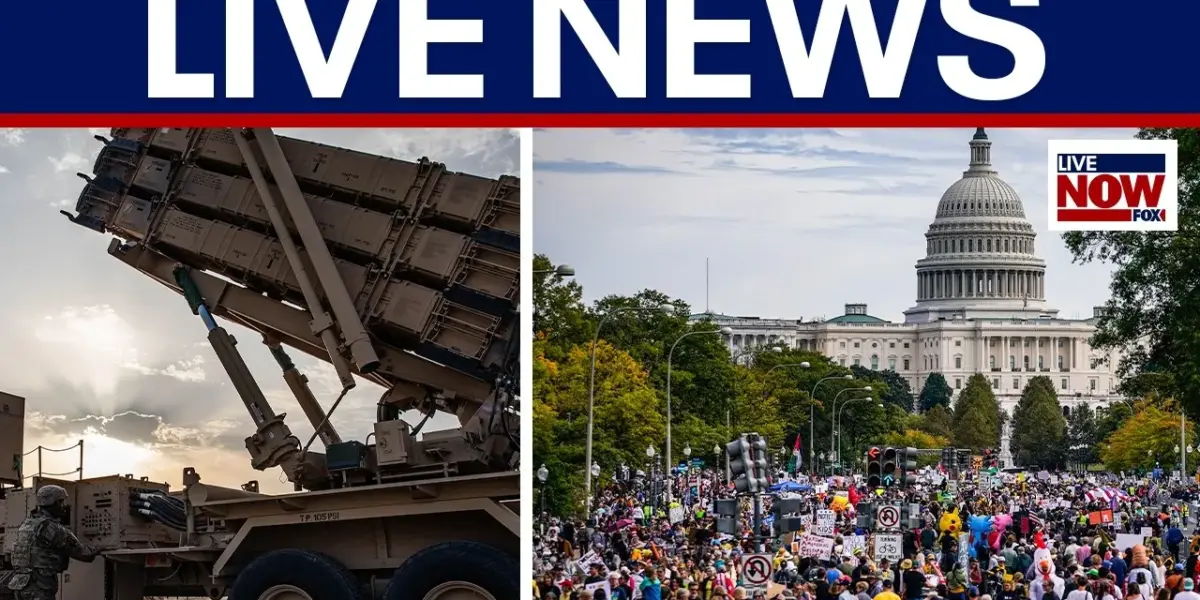
Middle East Tensions Flare as Houthis Launch Missile at Israel
Early this morning, the Middle East erupted with renewed conflict as Iranian-backed Houthi rebels claimed responsibility for a missile launch targeting Israel. This marks the first such attack since the current war in the region began. The Israeli military confirmed it intercepted the projectile. The incident follows Iran’s threat to “escalate and expand” its campaign, which led to an Israeli strike on Iranian nuclear facilities. Iran had previously vowed retaliation, resulting in a strike on a Saudi Arabian base that injured several U.S. service members and damaged aircraft.
Houthi Rebels Claim Responsibility, Detail Attack
A military spokesman for the Houthi rebels announced the missile launch on their satellite television. He stated that the group fired a series of ballistic missiles aimed at what they described as sensitive Israeli military sites in southern Israel. Before this latest assault, there had been signs of potential progress, with Iran reportedly agreeing to allow humanitarian and agricultural shipments through the Strait of Hormuz. However, today’s attack raises serious questions about whether the Houthis will resume targeting commercial shipping in the vital Red Sea corridor, a tactic they employed during the Israel-Hamas war. This disruption significantly impacted global trade, affecting approximately $1 trillion worth of goods annually.
Expert Analysis: Iran’s Strategy and Weakened Position
Ali Reza Jafarzadeh, Deputy Director of the Washington office of the National Council of Resistance of Iran, provided insights into the situation. He explained that the missile launch highlights how much the Iranian regime invests in its proxy network, a strategy employed for the past 47 years. “This is the DNA. This is the way the Iran regime operates,” Jafarzadeh stated, noting that a significant portion of Iran’s wealth is funneled into expanding this network. Despite this, he believes the Iranian regime has been considerably weakened in recent years, both regionally and domestically. “That doesn’t mean that their ability is zero,” he cautioned, adding that the regime uses actions like these to project an image of strength and resilience amidst internal uprisings and regional pressures.
Economic Strain on Iranian Population
Jafarzadeh pointed out the stark contrast between Iran’s investment in its proxies and the suffering of its own people. “47 years of funneling money and training, and that explains why an oil-rich country of Iran has its population suffering. Over 80% of the Iranian population live below the poverty line,” he said. This demonstrates where the nation’s resources have been directed.
Israel’s Defensive Capabilities and Regional Threats
Regarding Israel’s intercepted projectile, Jafarzadeh suggested that the level of aggression shown by the Iranian regime aims to threaten regional countries and exert pressure to end the current war. “What the regime wants to show is that they want to threaten all the countries in the region,” he explained. While ending the war is beneficial, Jafarzadeh emphasized that Iran’s actions are intended to project an image of continued capability, despite underlying weaknesses.
Assessing the Escalation with Iran’s Nuclear Facilities
Jafarzadeh downplayed the significance of Israel’s strike on Iran’s nuclear facilities as a “major escalation.” He described it as a “new angle” introduced by the regime but reiterated that Iran’s overall capabilities have diminished. He highlighted the Iranian regime’s long-standing focus on its missile program, noting that it began prioritizing missile development over its air force years ago. “The biggest industry of the Iran regime over the years has actually been their missile program,” he stated. The regime has invested heavily in this area, developing numerous missile sites and stockpiling tens of thousands of missiles and drones, often at the expense of its own citizens.
Internal Weakness Amidst External Strength
Despite Iran’s perceived strength in its missile and drone programs, Jafarzadeh identified its internal situation as its biggest weakness. The regime relies heavily on the Islamic Revolutionary Guard Corps (IRGC), which is deeply unpopular among the Iranian people. The IRGC is seen as both a repressive force and a corrupt entity that controls a significant portion of the country’s economy, to the detriment of ordinary Iranians. “These revolutionary guards, even though they’re firing missiles, but they’re badly rejected by the people of Iran everywhere,” he asserted.
Internal Opposition and the Call for Regime Change
Jafarzadeh referenced recent actions by the main Iranian opposition, the MEK (Mujahedin-e Khalq), which he said exposed the deep-rooted hostility between the Iranian people and the regime. He mentioned an assault on the IRGC headquarters prior to the current war, which inflicted heavy casualties. He believes the younger generation in Iran increasingly sees fighting the IRGC as the only path to ending the regime’s threat, advocating for organized resistance alongside protests. The National Council of Resistance of Iran, led by Maryam Rajavi, has announced a provisional government plan to transfer sovereignty to elected representatives, promising free elections within six months to establish a new constitution and government.
Rajavi’s Platform for a Future Iran
Rajavi’s platform emphasizes a separation of religion and state, freedom of expression, political parties, a free market economy, equal rights for men and women, an end to the death penalty, regional peace, and a non-nuclear republic. Jafarzadeh contrasted this vision with the current regime’s policies, suggesting that a free, democratic, and non-belligerent Iran is key to regional stability.
US Role and Future Response
Addressing the U.S. involvement after American service members were injured, Jafarzadeh stated that Iran’s goal is to increase casualties and pressure parties involved in the war to end it on Iran’s terms. He stressed that the threat from the Iranian regime will only end with the regime’s downfall, a responsibility he places on the Iranian people. He expressed hope that recent events would be an “eye-opener” for policymakers, urging a focus on the organized Iranian opposition rather than direct foreign intervention. He believes a lasting solution requires a self-reliant Iran supported by its own people, with a non-belligerent agenda.
Humanitarian Aid and Potential Israeli Response
Regarding the potential derailment of humanitarian shipments through the Strait of Hormuz, Jafarzadeh expressed skepticism about the Iranian regime’s promises. He argued that their actions often contradict their words, citing their nuclear and missile programs as examples. He believes Iran’s true intention behind these actions is to close the Strait, increase oil prices, and raise the costs of the war. While the exact nature of Israel’s next response remains uncertain, the ongoing cycle of attacks and retaliations indicates a continued escalation of regional tensions.
Looking Ahead: Focus on Internal Change
The recent events underscore the complex geopolitical dynamics in the Middle East. While military actions and proxy conflicts continue, the underlying call for internal change within Iran remains a significant factor. The international community, particularly policymakers in Washington, are urged to consider the role of the organized Iranian opposition as a potential pathway to a stable and democratic Iran, which could ultimately lead to lasting peace in the region. The focus moving forward will likely remain on the regime’s internal stability, its regional actions, and the potential for significant political transformation within Iran itself.
Source: LIVE: 12 US troops injured in Iran strike, Houthis strike Israel, 'No Kings' protests nationwide (YouTube)

Related Articles
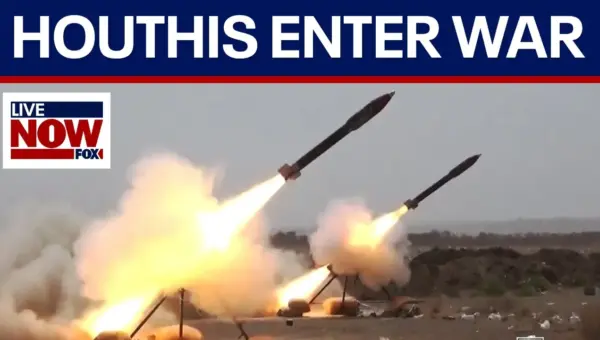
Iran-Backed Houthis Strike Israel, Escalating Regional Tensions
Iran-backed Houthi rebels have launched a missile attack targeting Israel, marking their first such strike since the current Middle East conflict began. The Israeli military confirmed the interception of the projectile. Analysts view this action as part of Iran's broader regional strategy, highlighting the regime's reliance on proxy forces amid internal weaknesses.


Trump’s War Talk Distracts as World Burns
As global conflicts escalate and economic pressures mount, Donald Trump's focus on past grievances and symbolic wins overshadows pressing issues. His rhetoric, including questionable claims about ending wars and strategic use of terminology to bypass Congress, raises concerns about leadership and national priorities.


Iran Extends Strait of Hormuz Deadline Amid Global Oil Tensions
The U.S. has granted Iran a 10-day extension to reopen the Strait of Hormuz, a critical global oil route. This move comes amid complex negotiations, military actions, and concerns over Iran's strategic leverage and resilience. Lawmakers express frustration over the lack of a clear strategy and potential escalation.