Iran Attacks Spark Global Energy Fears, Prices Spike
Iran's recent attacks on Qatar's LNG facilities and retaliation for strikes on its own South Pars field have escalated tensions, threatening global energy security. The damage to critical infrastructure raises concerns about prolonged supply disruptions and rising prices worldwide.

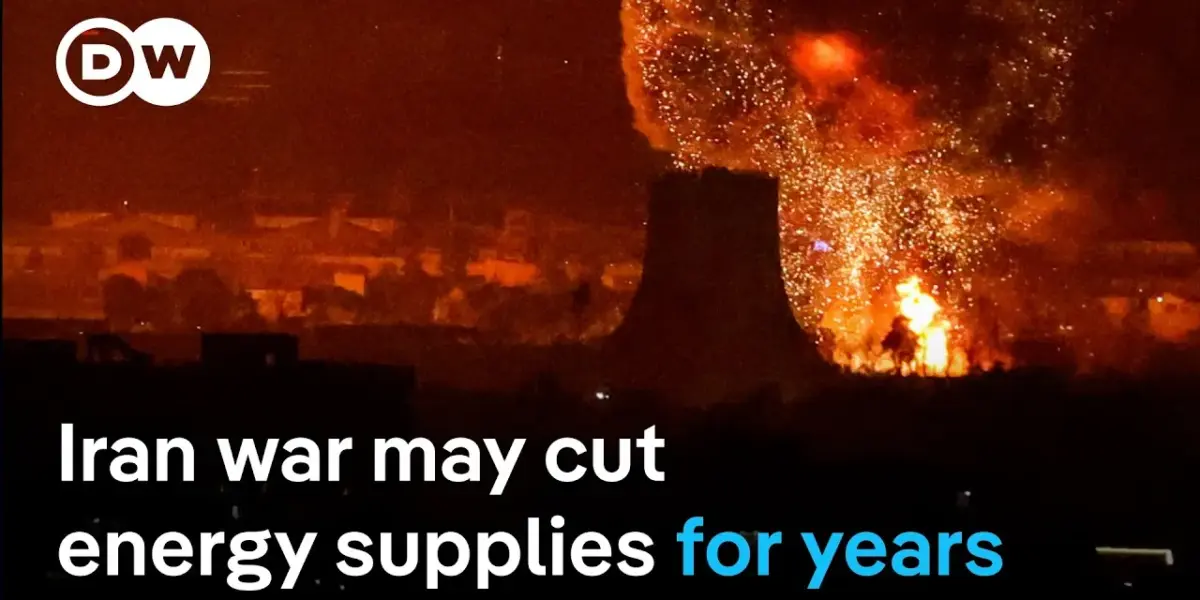
Middle East Strikes Threaten World Energy Supply
Attacks on oil and gas facilities in the Middle East have sent shockwaves through global energy markets. Iran launched strikes on Qatar’s liquefied natural gas (LNG) hub on Wednesday evening, causing significant damage to the Ras Laffan facility, the world’s largest of its kind. This action follows an earlier Israeli attack on Iran’s South Pars facilities, escalating tensions in an already volatile region.
Retaliation and Escalation
Iran claims the strikes were in retaliation for the attack on its South Pars field. This facility is crucial for Iran’s energy needs, as natural gas powers about 80% of the country’s electricity. However, U.S. President Donald Trump stated that neither the U.S. nor Qatar had prior knowledge of the Israeli action. He warned Iran against further attacks on Qatar, emphasizing that any future aggression towards the innocent nation would be met with a massive U.S. response against the South Pars field.
Weaponizing Energy
U.S. Defense Secretary Pete Hith highlighted that Iran has a history of using energy supplies as a weapon. He suggested that Iran should reconsider this strategy, as both the U.S. and its allies have clear objectives. “Iran has weaponized energy for decades,” Hith stated, adding that Iran knows the consequences of targeting Arab allies and creating pain for itself.
Market Jitters and Diplomatic Efforts
Economists specializing in energy markets noted that the primary concern is Iran’s reaction and its demonstrated capacity to strike energy infrastructure precisely. “What really matters here is the reaction of Iran,” said one economist. “Iran has demonstrated two things: number one, that they are willing to escalate this a step further, and number two, that they do have the capacity to target precisely… where it hurts.” The attacks have made it increasingly difficult for leaders to deescalate the situation.
Global Impact of Infrastructure Damage
Experts warn that damage to energy infrastructure could have long-term consequences. The attack on Qatar’s LNG facility, which supplies a significant portion of global LNG, could lead to lost production for years. “This is the world’s largest LNG export facility. Qatar supplies close to 20% of global LNG,” explained an energy policy analyst. “More than 80% of its LNG cargos typically go to Asia.” The damage could disrupt supplies of natural gas, condensate, and helium, impacting economies worldwide.
Rebuilding Challenges
Rebuilding these massive energy facilities will take considerable time, potentially years. “Rebuilding the facilities that produce these… oil and gas… in the region, that’s something that’s going to take years,” noted a senior fellow with the Democratic Resilience Program. The vulnerability of these sites to explosive damage, combined with the time needed for cleanup and reconstruction, means that global energy markets could face prolonged disruptions. This could lead to sustained price premiums for crude oil if fields cannot return to full production.
Limited Tools for Governments
Governments are exploring ways to mitigate the impact of these disruptions. While the International Energy Agency has announced a large release of strategic oil reserves, analysts believe these measures may not be enough to counter the scale of the problem. “The toolbox is pretty limited at this point,” stated an energy policy analyst. The market is primarily looking for a signal that the conflict will end, allowing for the safe transit of tankers and the resumption of normal operations.
Rising Prices and Consumer Pain
The attacks have already led to increased prices for various energy products, including jet fuel and diesel. Airlines in Asia have announced significant price hikes, and consumers are likely to feel the pinch. “This is where I think the consumer impact becomes pretty acute,” said an analyst. The market is closely watching for signs of de-escalation, hoping for a rapid resolution to stabilize energy supplies and rebuild confidence.
What’s Next?
The coming days will be critical in determining the future trajectory of energy prices and global energy security. All eyes are on Iran’s response to further provocations and the diplomatic efforts to prevent a wider conflict. The ability of leaders to de-escalate the situation and ensure the safe passage of energy shipments through vital waterways will be key to stabilizing markets and preventing long-term economic damage.
Source: What the attacks oil & gas facilites in the Middle East mean for global energy security | DW News (YouTube)

Related Articles
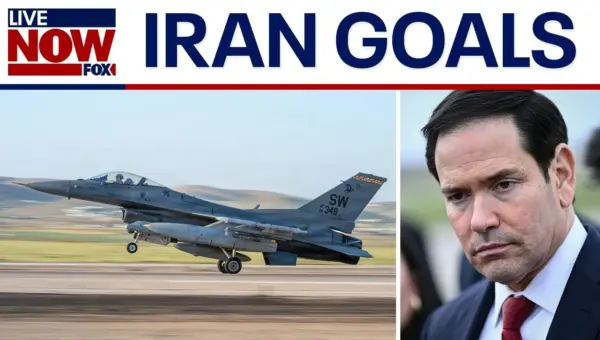
Rubio: US Can Achieve Iran War Goals Without Troops
Senator Marco Rubio outlined a strategy to counter Iran without deploying U.S. ground troops, focusing on weakening the regime and enhancing maritime security. He also criticized Cuba's economic system and expressed concerns about West Bank violence.


Israel Escalates Iran Strikes, Warns of Wider War
Israel has launched significant strikes inside Iran following continued missile fire, warning of further escalation. The conflict risks wider regional instability and economic disruption, especially concerning the Strait of Hormuz.
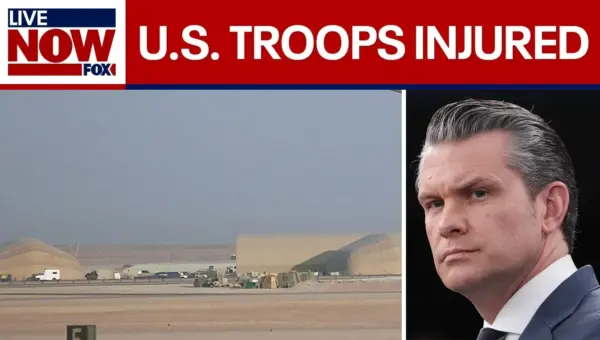
US Troops Wounded in Saudi Base Attack by Iran
An Iranian missile attack on Prince Sultan Air Base in Saudi Arabia wounded multiple U.S. service members and damaged aircraft. The incident highlights the ongoing risks in the Middle East and the limitations of air defense systems. Analysts discuss the strategic implications, economic pressures, and the isolation of Iran amidst the conflict.