Iran Attacks Dubai Tanker, Trump Threatens Oil Facilities
Iran's drone strike on a $200 million oil tanker in Dubai marks a serious escalation, drawing threats from Donald Trump to target Iran's oil facilities. The attack raises concerns about the safety of 400 tankers in Dubai and threatens vital supply routes, potentially sending oil prices to $200 per barrel and triggering a global recession.


Iran Escalates Conflict by Striking Dubai Oil Tanker
Tensions in the Middle East have reached a critical point as Iran has escalated its actions by launching a drone attack on an oil tanker docked in Dubai. The strike, which occurred overnight, resulted in a significant explosion and the destruction of the vessel. This oil tanker was valued at an estimated $200 million and was carrying approximately 2 million barrels of oil. The attack marks a serious shift, as it targeted a commercial vehicle rather than military targets.
Dubai Becomes Vulnerable Shipping Hub
The attack is particularly concerning because Dubai has been considered a safe harbor for oil tankers. Currently, around 400 tankers are docked in the area, and they are now all potentially within striking distance of Iran. This situation poses a significant risk to shipping companies, their crews, and the global oil supply chain.
Trump Responds with Strong Threats
In response to Iran’s actions, former President Donald Trump has issued a strong warning. He stated that he is considering retaliatory measures that could include destroying not only Iran’s electricity plants but also its oil facilities and key infrastructure like Kark Island. Trump also mentioned the possibility of targeting desalination plants.
The Importance of Desalination Plants
Desalination plants play a vital role in the Middle East, a region that is largely arid and faces water scarcity. These facilities turn seawater into fresh water for consumption and use by the population. Targeting these plants, as Trump suggested, could lead to a severe humanitarian crisis for Iran’s estimated 80 to 90 million people.
Risk of Wider Conflict and Retaliation
The potential destruction of desalination plants raises the specter of further retaliation from Iran, possibly targeting similar facilities in other countries. Such an escalation could draw more nations into the conflict, transforming it into a much larger regional war. Currently, the United States, Israel, Iran, Yemen, and Lebanon are considered actively involved.
Global Economic Impact: Oil Prices and Supply Chains
The conflict is already having a significant impact on the global economy. The Strait of Hormuz, a crucial waterway through which about 20% of the world’s oil and gas passes daily, is under threat. While not currently blocked, any disruption there sends oil prices soaring. Oil prices recently reached $115, and market reactions show that any hint of de-escalation can cause prices to fall and stock markets to rise.
Beyond Oil: Other Critical Supplies Affected
The disruption extends beyond oil and gas. Essential raw materials like ammonium nitrate (used in fertilizer), aluminum, and helium, which also pass through the Strait of Hormuz and the Suez Canal, are being affected. This, in turn, is contributing to rising inflation.
Central Banks Face Difficult Choices
Rising inflation puts pressure on central banks, potentially forcing them to raise interest rates. This can slow down economic growth. Germany, for example, has already halved its GDP growth forecast for 2026, dropping it from 1.3% to 0.6%. This significant cut, occurring just weeks into the conflict, highlights the potential for severe economic downturn if the war continues.
Potential for a Global Recession
If the conflict persists for months, it could lead to a major global recession. Analysts are comparing the current situation to historical economic crises like the 2007-2008 global financial crisis or the oil shocks of the 1970s. The current war could become another such defining economic event.
The Question of Iran’s Future Leadership
The conflict also involves discussions about changing the leadership in Iran. Some believe that the United States and Israel desire a new regime. There is speculation that the son of the former Shah of Iran, who lives in the U.S., might be interested in leading a new government. Such a U.S.-friendly regime could lead to new oil deals and a normalization of trade relations.
Challenges to Regime Change
However, the current Iranian leadership is unlikely to agree to such changes, as it would mean their removal from power. Given the potential consequences for ousted leaders, a peaceful resolution involving a ceasefire or a change in government seems improbable in the near term.
US Military Presence and Potential Ground Invasion
Despite statements from Donald Trump about withdrawing from the region, the U.S. has deployed over 50,000 Marines and paratroopers. This significant military presence suggests the possibility of a ground invasion. Kark Island, a critical hub for 90% of Iran’s oil exports, is seen as a potential target. Capturing or destroying Kark Island would be economically devastating for Iran.
Sanctions and Oil Market Dynamics
Notably, the U.S. has recently lifted sanctions on Iranian oil, allowing it to be sold to the U.S. for the first time since 1979. Similar sanctions were also lifted on Russian oil. However, if Kark Island is destroyed, as Trump has suggested, Iran’s oil supply would be eliminated, potentially sending oil prices to $150 or even $200 per barrel. Such high prices would almost certainly trigger a global recession, as the world economy cannot sustain such costs.
Broader Implications for Global Stability
The ongoing conflict and the potential for further escalation pose a significant threat to global economic stability and peace. The interconnectedness of global markets means that events in the Middle East can have far-reaching consequences for consumers and businesses worldwide. Investors and policymakers are closely watching these developments for signs of how the situation might unfold and impact future economic conditions.
Market Impact
The immediate market impact has been seen in volatile oil prices, which have surged due to the perceived threat to supply routes. Rising energy costs contribute to broader inflation, pressuring central banks. Stock markets have reacted nervously, with positive news leading to temporary rallies, but underlying concerns about geopolitical instability persist. The German GDP forecast cut is a stark warning of potential economic slowdowns in major economies.
What Investors Should Know
Investors should be aware of the heightened geopolitical risk and its potential to disrupt global supply chains and energy markets. The possibility of prolonged conflict could lead to sustained higher inflation and interest rates, impacting corporate earnings and consumer spending. Diversification and a focus on resilient sectors may become increasingly important in navigating this uncertain environment. The situation highlights the sensitivity of global markets to geopolitical events, particularly in energy-rich regions.
Source: This is Serious (YouTube)

Related Articles

Iran Conflict Shifts to Political Arena, Threatening Trump’s Base
The conflict with Iran has shifted from a military operation to a political challenge, potentially defining President Trump's legacy. Concerns over a potential military draft are resurfacing, threatening to alienate young voters crucial to Trump's base. While the military campaign has seen significant successes, the political ramifications are becoming increasingly complex.

Trump Seeks Iran Deal Amid Midterm Pressure
President Trump faces pressure to secure a deal with Iran before the midterm elections. The agreement aims to halt uranium enrichment and could lower gas prices. However, Iran's strategy appears to be outlasting Trump's presidency amidst domestic political challenges and international dynamics.
Russia Ships Oil to Cuba Amid US Blockade Pressure
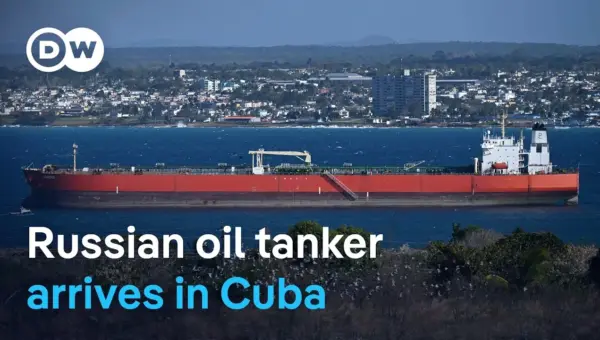
A Russian oil tanker has delivered much-needed crude oil to Cuba, offering temporary relief amid a severe fuel shortage exacerbated by a US blockade. The blockade, aimed at pressuring the Cuban government for regime change, has led to rolling blackouts and disruptions in essential services, creating a humanitarian crisis. While Cuba has offered concessions, the US policy continues to face criticism for its impact on civilians and for potentially benefiting Russia.