Iran Appoints Khamenei’s Son as Supreme Leader, Signaling Hardline Shift
Iran's Assembly of Experts has reportedly selected Mojtaba Khamenei, son of the current Supreme Leader, as his successor. This hardline appointment amid regional tensions signals a potential shift in Iran's political direction and could impact its relations with the U.S. and Israel.

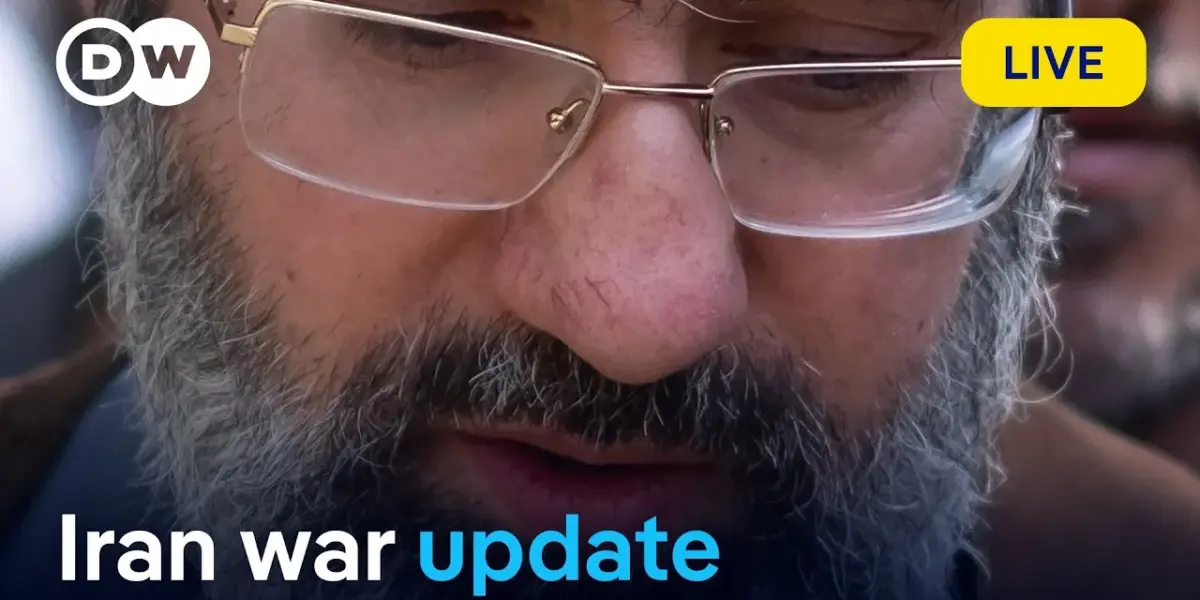
Iran’s Assembly of Experts Selects Mojtaba Khamenei as New Supreme Leader
In a pivotal move that signals a potential hardening of Iran’s political stance, the Assembly of Experts has reportedly chosen Mojtaba Khamenei, the second son of the current Supreme Leader Ali Khamenei, to succeed his father. The selection, if confirmed and fully implemented, places a prominent religious hardliner at the helm of the Islamic Republic, a decision made amidst escalating tensions with the United States and Israel.
Who is Mojtaba Khamenei?
Mojtaba Khamenei, believed to be in his mid-50s, has long been considered a significant figure within Iran’s religious and political establishment. Unlike his father, who rose through the clerical ranks, Mojtaba’s influence has been more intertwined with the security and intelligence apparatus of the state. He has reportedly been involved in the Revolutionary Guard Corps (IRGC) and is said to hold considerable sway over the Basij militia, a powerful paramilitary force.
His theological education has been a subject of discussion, with some analysts suggesting he has achieved the status of ‘Ayatollah’ or even higher clerical ranks, though the precise extent of his religious authority compared to his father remains a point of debate. However, his proximity to power and his perceived ideological alignment with the more conservative elements of the regime have made him a subject of intense speculation regarding future leadership.
A Strategic Succession Amidst Regional Tensions
The timing of this reported succession is particularly noteworthy. Iran has been navigating a complex geopolitical landscape, marked by heightened confrontations with the U.S. and Israel. The selection of Mojtaba Khamenei, a figure often described as a hardliner, is being interpreted by many observers as a deliberate signal from the Iranian regime. It suggests a commitment to maintaining its current trajectory and potentially an unwillingness to de-escalate conflicts in the region.
This move could be seen as an effort to consolidate power within the Khamenei family and ensure continuity of the existing political system. The Assembly of Experts, responsible for appointing and overseeing the Supreme Leader, is composed of senior clerics. Their decision to favor Mojtaba Khamenei implies a consensus among these influential figures to maintain the status quo, or even to adopt a more assertive posture on the international stage.
Potential Implications for U.S. and Israeli Relations
The ascendance of Mojtaba Khamenei could have significant implications for Iran’s foreign policy and its relationships with global powers, particularly the United States and Israel. If he assumes the role of Supreme Leader, his known hardline stance might lead to a more confrontational approach in diplomatic and military engagements.
Former President Donald Trump and current Israeli Prime Minister Benjamin Netanyahu have both adopted strong positions against Iran. The prospect of a leader like Mojtaba Khamenei, who is perceived as less inclined towards compromise, could potentially embolden hardline factions on both sides, leading to an increased risk of miscalculation and escalation. Analysts suggest that this development could make Mojtaba Khamenei a new focal point for diplomatic pressure and potentially even direct threats from adversarial nations.
The Question of Longevity
While the Assembly of Experts has reportedly made its choice, the question of how long Mojtaba Khamenei will last in this position is already a subject of speculation. The Supreme Leader in Iran holds power for life, but the internal dynamics of the regime, potential public discontent, and external pressures can all influence the stability of leadership.
The Iranian political system is known for its intricate power struggles and the influence of various factions. Mojtaba Khamenei’s leadership will likely face scrutiny not only from international adversaries but also from internal rivals and the broader Iranian population. His ability to navigate these complex challenges will be crucial in determining the length and effectiveness of his tenure.
Looking Ahead
The reported selection of Mojtaba Khamenei as Iran’s next Supreme Leader is a development that warrants close observation. The coming weeks and months will be critical in confirming the details of this succession and understanding its immediate impact on Iran’s domestic politics and its foreign policy. The international community, particularly the U.S. and Israel, will be closely monitoring any shifts in rhetoric or action from Tehran. The focus will be on whether this hardline appointment leads to increased regional instability or if avenues for diplomacy can still be found.
Source: LIVE: Who is Iran’s new supreme leader, and how long will he last? (YouTube)

Related Articles


Iran Appoints New Leader Amid Escalating Global Tensions
Iran has appointed Mojtaba Khamenei, son of the former leader, as its new Supreme Leader amidst escalating international conflict. The war has driven oil prices to record highs, impacting global markets and American consumers. Meanwhile, the U.S. military toll rises, and travel faces significant disruption due to the government shutdown.
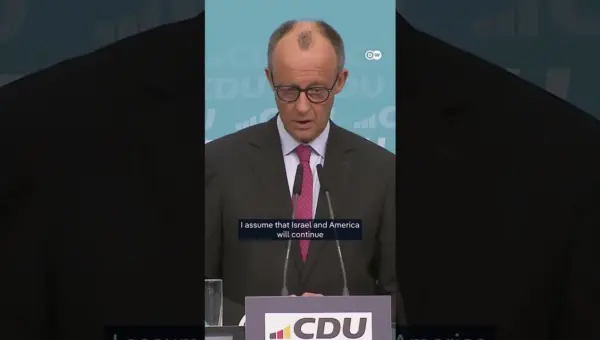
Merz: “Iran is the center of international terrorism, and must be shut down”
CDU leader Friedrich Merz has labeled Iran the "center of international terrorism" and called for the downfall of its current regime. Merz argued that regime change in Tehran is the quickest path to ending regional conflicts and that Iran's support for groups like Hamas and Hezbollah makes it a primary threat.
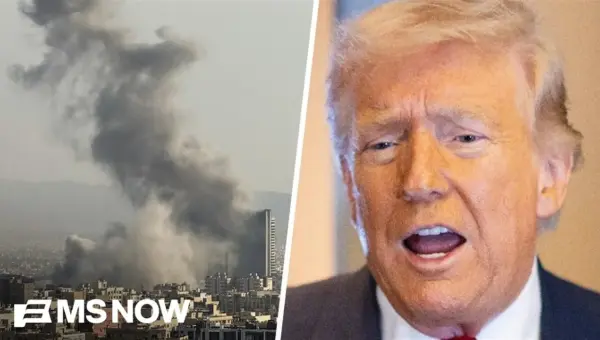
US Mulls Iran Ground Troops, Draft Amid Escalating Tensions
The White House is reportedly considering extreme military options against Iran, including the potential deployment of ground troops and even a military draft. Retired Colonel Jack Jacobs expressed skepticism about a draft but discussed limited scenarios for special forces raids.