Iran and US Trade Blows as Tensions Spike
The U.S. and Iran are engaged in a dangerous exchange of strikes, with a critical deadline set by President Trump looming over the Strait of Hormuz. Both nations, along with Israel, are escalating military actions, while diplomatic channels remain open but strained.

US and Iran Exchange Strikes as Deadline Looms Over Hormuz
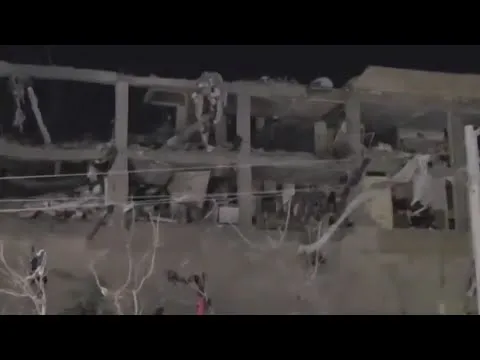
The United States and Iran are trading military strikes as a critical deadline set by President Trump approaches. The President has issued an 8:00 PM Eastern Time deadline for a deal aimed at resolving the conflict over the Strait of Hormuz. This tense situation involves direct military action and strong rhetoric, raising fears of wider escalation in the Middle East.
Kharg Island Targeted in US Strikes
American forces struck military targets on Kharg Island, a vital oil hub for Iran, earlier today. U.S. officials stressed that the oil facilities themselves were not damaged. However, President Trump has not ruled out targeting Iran’s energy infrastructure if no deal is reached. This action highlights the U.S. willingness to apply pressure through military means.
Israel Joins Escalation with Targeted Attacks
From the Israeli side, Prime Minister Benjamin Netanyahu confirmed that Israel attacked a senior commander in the Quds Force headquarters. Israel also targeted air defense systems and railway networks. The Prime Minister stated these actions are not against the Iranian people but are intended to weaken the ruling regime. This marks a significant shift, with Israel signaling a change in the regional power balance.
Regional Alerts and Civilian Preparedness
Warnings have been issued across the region. The U.S. Embassy in Bahrain has instructed its staff to shelter in place. In Israel, civilians have been told to prepare for a potentially very tense evening. These alerts underscore the heightened state of alert and the potential for further conflict.
Diplomacy Continues Amidst Military Action
Despite the escalating strikes, diplomatic efforts are ongoing. Pakistan has emerged as a key mediator, with talks continuing between Pakistan and Saudi Arabia. Iran’s President stated that while diplomacy is ongoing, the country is prepared to defend itself if negotiations fail. He emphasized the readiness of millions of Iranians to sacrifice for their nation.
Human Shields and Public Demonstrations
Iran has reportedly instructed some supporters to gather near sensitive sites and infrastructure facilities, effectively creating what are described as human chains. This tactic aims to deter potential attacks on these critical locations by placing civilians in their vicinity.
Historical Context: A Long-Standing Rivalry
The current tensions are rooted in decades of complex relations between the U.S. and Iran, including the 1979 revolution and subsequent U.S. sanctions. The Strait of Hormuz is a crucial waterway for global oil transport, making any disruption there a major international concern. Israel views Iran’s regional influence and nuclear program as significant threats, leading to a history of indirect and sometimes direct confrontations.
Economic Levers: Oil and Sanctions
Iran’s economy is heavily reliant on oil exports, which have been significantly impacted by U.S. sanctions. Targeting oil infrastructure, as seen with the Kharg Island strike, is a direct attempt to exert economic pressure. Conversely, Iran has threatened to disrupt oil shipments through the Strait of Hormuz, using its strategic location as leverage.
Shifting Power Dynamics and Alliances
The involvement of Israel in direct strikes signals a potential shift in regional alliances and the willingness of key players to confront Iran more directly. Pakistan and Saudi Arabia’s mediation efforts suggest a desire among some regional powers to de-escalate, but the actions of the U.S. and Iran indicate a willingness to use force.
Why This Reshapes the World Order
The escalation in the Strait of Hormuz region is critical because it directly impacts global energy security. Any conflict that disrupts oil supplies from the Persian Gulf can send shockwaves through the world economy, affecting prices and availability of fuel for nations worldwide. The increasing assertiveness of both the U.S. and Israel, alongside Iran’s defiant stance, highlights a growing multipolar dynamic where regional powers are increasingly willing to challenge established norms and use military force to achieve their objectives. This could lead to a more unstable international environment, where diplomatic solutions become harder to find amidst heightened military posturing.
Future Scenarios
One possible scenario is that the deadline passes without a deal, leading to further military exchanges and potentially a wider conflict. Another scenario involves a last-minute diplomatic breakthrough, possibly brokered by Pakistan or other regional actors, which would de-escalate immediate tensions but likely not resolve the underlying issues. A third, less likely, scenario is a significant miscalculation by either side, triggering an unintended and rapid escalation.
Source: US, Tehran trade strikes ahead as Iran deadline looms | NewsNation Live (YouTube)

Related Articles
Trump’s Iran Threats Spark War Crimes Fears
Former President Donald Trump's extreme threats against Iran have led to a communication blackout and fears of war crimes. Iran has warned of severe regional retaliation if attacked, while international figures call for Trump's removal from office.

Iran Uses Civilians as Shields Amidst Escalating Tensions
Iran has reportedly deployed civilians as human shields around power plants and bridges amidst escalating tensions and collapsing diplomatic talks. This tactic aims to deter potential attacks by creating a moral dilemma, while official statements deny the use of nuclear weapons. The situation highlights a disturbing trend in modern warfare.

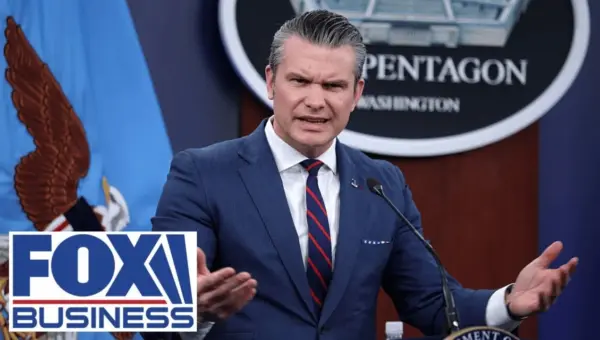
Trump Threatens Iran With ‘Demolition’ Amid Impeachment Talk
President Trump issued a stark warning to Iran, threatening widespread demolition of its infrastructure if a deal isn't reached. Meanwhile, domestic politics heat up as an Arizona Democrat plans to introduce articles of impeachment against Secretary of War Pete Hegseth, though success is unlikely in the current political climate.