Iran and Bahrain Strike Water Infrastructure, Sparking Regional Fears
Critical desalination plants, the lifeline for most Gulf states' water supply, have reportedly been targeted in the conflict between Iran and Bahrain. This escalation raises fears of a humanitarian crisis and regional instability as water is weaponized.

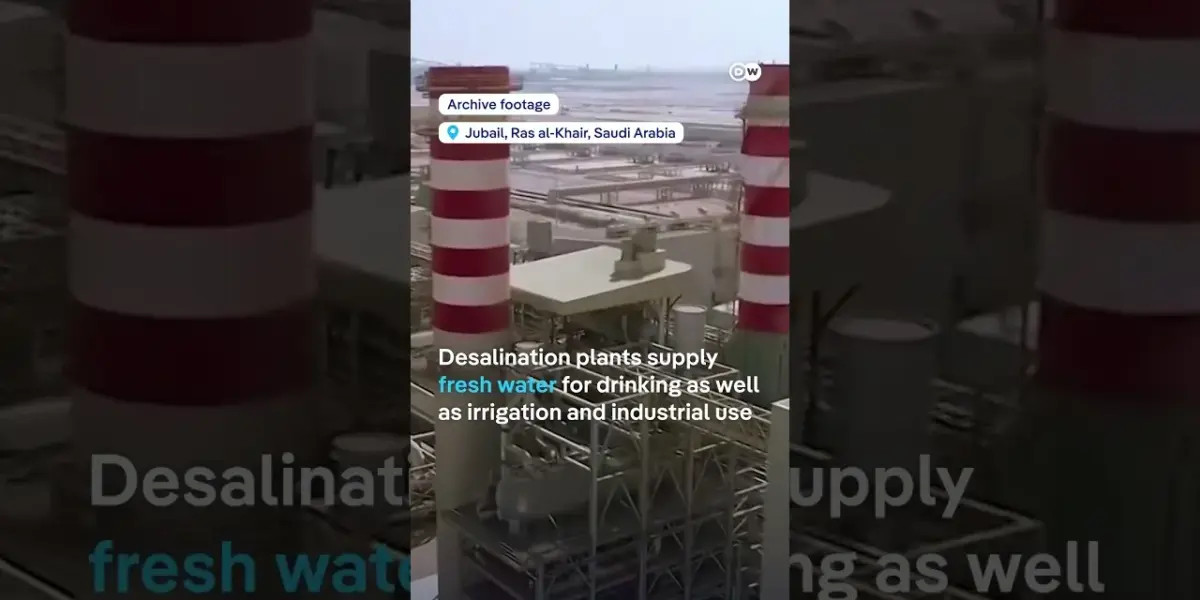
Water as a Weapon: Escalating Conflict Targets Vital Desalination Plants
In a dramatic escalation of regional tensions, reports indicate that critical water infrastructure, specifically desalination plants, have become targets in the ongoing conflict involving Iran and Bahrain. This unprecedented move crosses a significant red line, raising alarms for the stability and security of the entire Gulf region, where desalination is a lifeline for a majority of the population’s water supply.
The Lifeline of Desalination in the Gulf
For many Gulf states, including Kuwait, Saudi Arabia, the UAE, and Oman, desalination plants are not merely industrial facilities but essential lifelines. These plants convert seawater into potable water, forming the backbone of their water supply portfolios. In some nations, desalination accounts for as much as 90% of the total water available to citizens and industries. This reliance makes any disruption to desalination infrastructure not just an inconvenience, but a potential crisis with far-reaching consequences.
“For all of those Gulf states, Kuwait all the way down to Oman, the majority of their water supply is coming from desalination. In some cases, as high as 90% of their water supply portfolio is coming from, uh basically seawater desalination.”
A Dangerous New Frontier: Targeting Civilian Infrastructure
The deliberate targeting of water infrastructure represents a dangerous new frontier in this conflict. Experts express deep concern over the move towards attacking assets associated with water, especially when these facilities hold no inherent military value. Such actions can trigger a cascade of devastating effects, impacting public health, economic stability, and potentially leading to humanitarian crises.
“So when you start to affect that infrastructure, so many things cascade from that that are really, really of huge concern,” noted an analyst. “To move towards infrastructure that has no military value is really alarming.”
Tit-for-Tat Attacks: Unforeseen Escalation
Sources suggest that the initial strike may have targeted Iran’s desalination facilities, prompting a retaliatory response against Bahrain’s water infrastructure. Both sides, it appears, were caught off guard by the other’s willingness to engage in such attacks. This tit-for-tat exchange has pushed the conflict into uncharted and perilous territory.
“I think certainly both Iran being struck first with their desalination plot and then Bahrain in return, I think both sides did not expect that to happen,” an observer stated. “And now we’re in a very dangerous frontier where these types of critical infrastructure assets are now being targeted.”
The Dire Consequences of Disrupted Water Supply
The implications of these attacks are profound. If desalination supply sources are taken offline, the affected countries could face severe water shortages. This would necessitate difficult and potentially destabilizing decisions regarding water rationing, resource allocation, and international appeals for aid. The potential for widespread panic and social unrest cannot be understated.
“And absolutely should be protected because if that supply source goes offline, there are some very difficult decisions that have to be made in those countries,” a source warned.
Regional Stability at Risk
The deliberate weaponization of water resources poses a significant threat to regional stability. It introduces a new layer of complexity to an already volatile geopolitical landscape. The international community is watching closely, with calls for de-escalation and adherence to international humanitarian laws that prohibit the targeting of civilian infrastructure likely to grow louder.
Looking Ahead: A Call for Restraint
The focus now shifts to whether diplomatic channels can be effectively utilized to prevent further escalation. The international community faces the critical task of mediating and ensuring the protection of vital civilian infrastructure. The coming days and weeks will be crucial in determining whether this dangerous precedent leads to wider conflict or if a path towards de-escalation and the safeguarding of essential resources can be found.
Source: Water used as weapon in Iran war? | DW News (YouTube)

Related Articles
Hezbollah Fuels Lebanon’s Descent into Wider Iran-Israel Conflict
Lebanon is being drawn into the wider Iran-Israel conflict, with hundreds killed and over half a million displaced by recent Israeli strikes targeting Hezbollah. The Lebanese president has accused Hezbollah of jeopardizing the nation's stability, while the militant group vows to defend its existence.


Trump Declares Iran War ‘Complete’ Amid Market Rebound
President Trump declared the war in Iran "very complete," leading to a market rebound and dropping oil prices. However, mixed messaging from the administration on the conflict's timeline and ongoing regional tensions persist. The U.S. also faces severe weather and a thwarted bomb plot in New York.


Trump Vows Tougher Iran Stance, Cites ‘Disappointment’ with New Leader
Former President Donald Trump voiced disappointment with Iran's new leadership, asserting that U.S. military operations have neutralized the nation's nuclear ambitions. He emphasized the ongoing efforts to secure global oil supplies and warned of severe consequences for any disruption.