Iran Agrees to Two-Week Ceasefire, Opening Key Strait
Iran has agreed to a two-week ceasefire, a significant de-escalation that includes the reopening of the crucial Strait of Hormuz for commercial shipping. This temporary truce aims to prevent further conflict, but key conditions regarding passage through the strait and the cessation of attacks remain points of focus for ongoing negotiations.

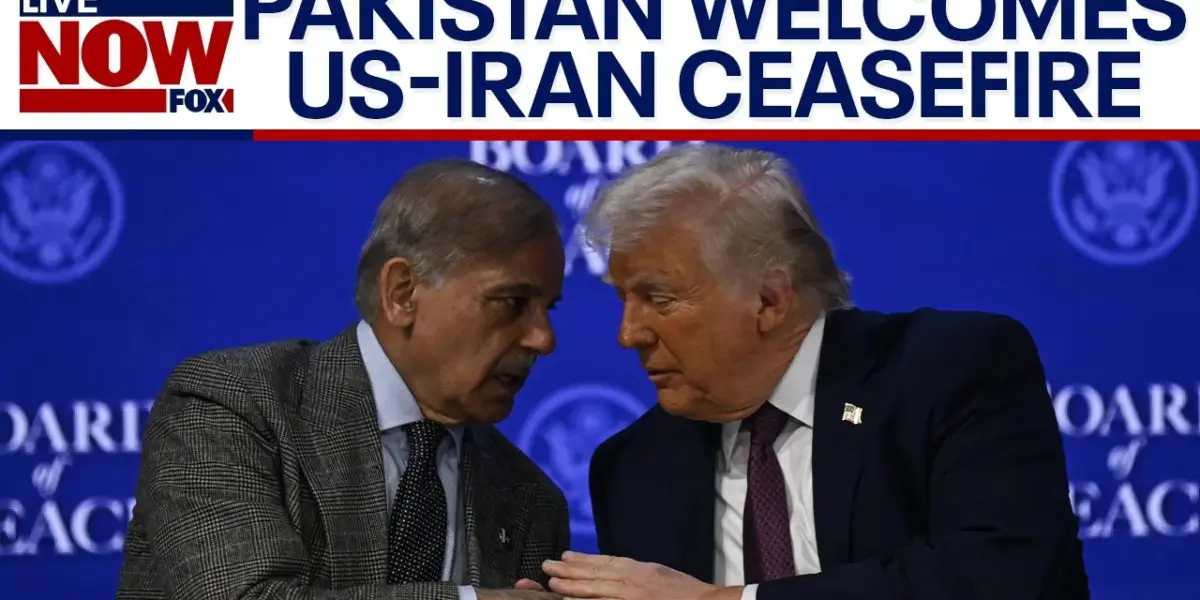
Iran Agrees to Two-Week Ceasefire, Opening Key Strait
In a significant development aimed at de-escalating regional tensions, Iranian officials have agreed to a two-week ceasefire, a move that includes the reopening of the Strait of Hormuz for commercial shipping. The agreement, brokered with the help of Pakistan and other mediating nations, comes after weeks of heightened conflict and threats of wider escalation.
Details of the Ceasefire Agreement
The temporary truce was announced following a deadline set by Iranian leadership, which had previously threatened to target critical infrastructure. Senior research analyst Ahmad Sherawi noted that this ceasefire represents a crucial step, especially given the looming deadline for potential strikes. The agreement hinges on Iran ceasing offensive operations and allowing safe passage through the Strait of Hormuz, a vital global energy artery.
However, the terms surrounding the Strait of Hormuz remain a point of discussion. Iranian officials stated that safe passage would be possible through coordination with Iran’s armed forces, considering potential technical limitations. Sherawi suggested that Iran might be posturing, potentially seeking to impose tolls or fees on ships transiting the strait. “This is not a reliable option,” Sherawi commented, adding that such measures would not encourage commercial shipping through this critical chokepoint.
Key Conditions and US Stance
The United States has outlined clear expectations for the ceasefire to hold. President Trump emphasized the need for the Strait of Hormuz to reopen without further attacks on Arab allies, shipping, or Israel. While a complete return to 100% capacity immediately is considered unrealistic, a gradual reopening and an increase in commercial ship traffic are seen as positive indicators. “If the next few hours we see uh zero attacks coming from Iran and we see the gradual opening… then we might be seeing signs that indicate uh that this ceasefire will hold,” Sherawi explained.
Conversely, if attacks resume or the Strait of Hormuz remains closed, a return to conflict is highly probable. The temporary nature of the ceasefire also raises concerns for global financial and insurance companies, who may remain hesitant to commit to normal operations due to the perceived ongoing risk of future escalation.
Broader Regional Implications
Beyond the immediate Strait of Hormuz concerns, the ceasefire’s impact on other fronts is being closely watched. Sherawi indicated that while the Iran-Israel-Arab states front might see a pause, Iran’s proxies could continue operations. Specifically, the conflict between Israel and Hezbollah in South Lebanon is expected to continue, with ongoing ground operations and efforts to degrade Hezbollah’s capabilities. The front in Iraq is anticipated to be quieter, with Iraqi militias less likely to target U.S. bases.
The role of Pakistan as a mediator is also significant. The nation has strong economic ties to Gulf States and relies heavily on oil imports, making the closure of the Strait of Hormuz detrimental to its energy needs. Furthermore, Pakistan has a substantial Shia population, and prolonged conflict could lead to domestic instability, as seen in earlier protests. These factors provide Pakistan with a strong incentive to help end the war and ensure regional stability.
Israel’s Position and Future Negotiations
Israel views Iran as an existential threat and has been aligned with the U.S. on degrading Iran’s military infrastructure. While acknowledging President Trump as the ultimate decision-maker, Israel understands the U.S. approach to this temporary ceasefire. They are prepared for a potential resumption of conflict if Iran fails to abide by the terms, but also recognize the diplomatic path opened by the U.S. for negotiations.
The current ceasefire is seen as a stepping stone rather than a final resolution. Discussions are expected to continue in Islamabad, Pakistan, in the coming days. Both Iran and the U.S. had presented different proposals, and finding overlap between these plans will be crucial for future negotiations. “This seems to be a way to move forward towards finding a solution,” Sherawi stated, emphasizing that the current agreement is not a finalized deal.
Concerns Over Iranian Capabilities and Trust
Despite the ceasefire, concerns linger about Iran’s capabilities and trustworthiness. While Iran’s offensive actions have decreased in frequency, their accuracy has reportedly increased. Iran still possesses drones and short-range ballistic missiles capable of reaching neighboring Gulf States. If granted two weeks to reorganize and prepare, Iran could potentially gain an advantage, necessitating continued intelligence gathering by the U.S. and Israel.
Sherawi expressed caution, calling the ceasefire fragile and suggesting that Iran might not be trustworthy. He noted that Iran’s insistence on a permanent ceasefire before agreeing to this temporary one could be a tactic to regroup. Therefore, close attention will be paid to Iran’s actions over the next two weeks, with the U.S. and Israel urged to ensure their war aims are met.
Looking Ahead
The coming days and weeks are critical in determining the fate of this fragile ceasefire. The focus will be on whether Iran adheres to its commitments, particularly regarding the Strait of Hormuz and the cessation of attacks. Further negotiations in Pakistan will aim to bridge the gap between U.S. and Iranian proposals, with the ultimate goal of achieving a lasting resolution to prevent a wider conflict in the region.
Source: Pakistani officials says Iran war ceasefire includes Lebanon (YouTube)

Related Articles


Trump Halts Iran Attacks, Seeks Peace Deal
President Trump has agreed to a two-week suspension of attacks on Iran, contingent on Iran reopening the Strait of Hormuz. This move comes as the U.S. reports progress on a peace proposal and highlights the Iranian people's desire for freedom.

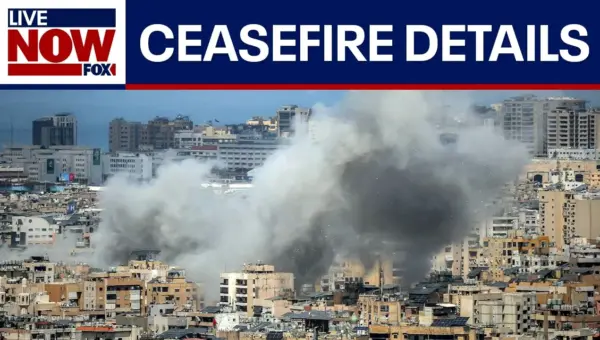
US-Iran Ceasefire Holds Amid Tensions, Strait of Hormuz Key
The US and Iran have agreed to a two-week ceasefire, brokered by Pakistan, with the crucial condition that Iran reopens the Strait of Hormuz. This development impacts global oil and gas supplies, as well as food security through fertilizer transport. However, concerns remain about potential Iranian mobilization and compliance, particularly following reports of post-ceasefire missile launches.

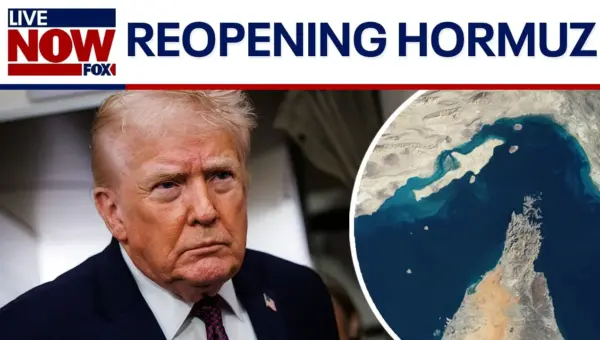
US, Iran Agree to 2-Week Ceasefire Centered on Strait of Hormuz
The U.S. and Iran have agreed to a two-week ceasefire, brokered by Pakistan, focusing on reopening the Strait of Hormuz. While a significant development, the deal's terms are complex and its fragility is a major concern due to the numerous actors involved.