Iran Admits Defeat, Seeks Deal Amid Military Strikes
Iran admits to being decisively defeated amid ongoing U.S. military strikes on its missile facilities. While the regime seeks a deal, market volatility persists due to conflicting messages and the looming expiration of an energy infrastructure pause. Analysts suggest the U.S. is focused on securing its interests and degrading Iran's threat, even if regime change isn't fully achieved.

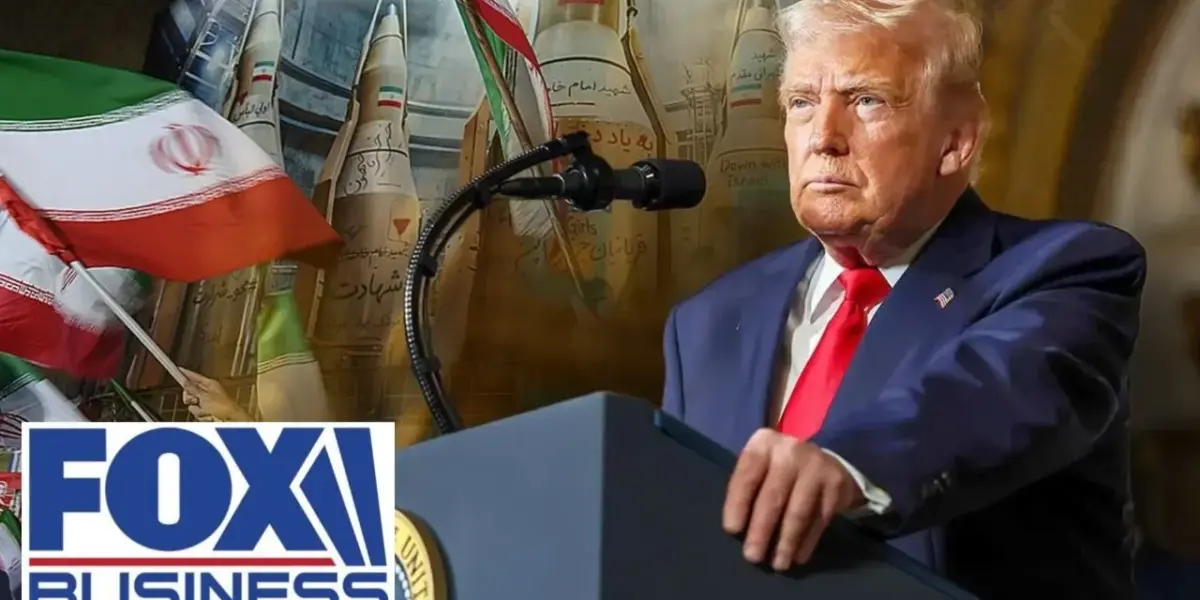
Iran Admits Defeat, Seeks Deal Amid Military Strikes
The Iranian regime is now admitting it has been decisively defeated, calling its situation a “disaster.” This acknowledgment comes as President Trump suggests Iran is privately begging for a deal, urging them to “get serious soon before it is too late.” The U.S. military continues to strike missile plants near the Strait of Hormuz, damaging or destroying many. Iran, meanwhile, is working to disrupt global trade through the Red Sea and Strait of Hormuz, threatening to close key choke points.
White House officials state Americans have nothing to worry about, predicting lower energy prices and inflation. However, market analysts note that investors are navigating conflicting messages on peace talks with Iran, leading to market volatility. The expiration of a pause on energy infrastructure strikes, less than two days away, adds to this uncertainty.
Market Volatility Fueled by Geopolitical Tensions
The market’s response is heavily influenced by daily headlines and soundbites. This has made both stock and commodity markets volatile. “The market is going to be volatile,” stated one analyst. “Both the stock and the commodity markets will be volatile.” While the U.S. military’s dominance in the Middle East is acknowledged, the conflict with Iran is far from over. Iran continues to fire missiles and threaten trade routes.
The goal of military action is to make these routes non-threatening. However, there is a fear that the conflict could drag on because talks with Iran may only embolden the regime. Some experts suggest a focus on regime change and the total elimination of the enemy, believing a softer approach might prolong the conflict.
Strategic Approach: Decimation or Negotiation?
The discussion centers on whether to hit Iran harder militarily or pursue negotiation. Iran, recognizing the importance of oil and gas prices and the U.S. stock market, may see dragging out the conflict as beneficial. “Dragging it out is in their interest,” an analyst noted. “You have to get them harder, to get to the root.” However, there’s also a belief that Iran’s greatest leverage might be the will of its own people against the government, rather than direct threats to global trade.
President Trump’s approach is seen as focused on an exit point that serves American interests, even if it doesn’t achieve the highest hopes, such as regime change. The key question is whether American interests are secured and if Iran’s threat has been degraded enough for the foreseeable future. If so, the U.S. might be willing to deal with elements of the old regime.
Iran’s Remaining Capabilities and Public Opinion
Despite successful military operations that have damaged or destroyed most of Iran’s missile plants, questions remain about their remaining firepower. “They’ve obviously still have some left, firepower there,” one observer commented. The effectiveness of military action also hinges on internal dissent within Iran. The hope is that counter-protesters can take to the streets to overthrow the regime, but currently, Iran seems to mock U.S. actions on social media.
Public opinion in the U.S. shows mixed support for military action against Iran, with around 42% supporting it and 40% opposing. More voters believe the action will make the U.S. less safe. This sentiment can fluctuate, especially when considering the economic pain points like fertilizer, gas, and grocery prices.
Focus on Energy Security and Venezuela
The situation in Iran is linked to broader energy security concerns. The U.S. has increased oil production in Venezuela, which is already seeing a nearly 50% rise in output in just three months. This surge in Venezuelan oil production was predicted by energy officials and is on track to meet targets.
Interestingly, oil prices have not reacted strongly to these developments, remaining lower than anticipated even heading into the weekend. The cost of gasoline is significantly impacted by taxes, not just crude oil prices. President Trump has pointed to state-level taxes, like those in California, as a major contributor to high gas prices, suggesting states are responsible for their citizens’ high fuel costs.
Leadership and Public Opinion
The current geopolitical climate presents a leadership challenge. While public opinion on military action is divided and somewhat hesitant about long-term outcomes, leaders may need to guide public sentiment. “There are times when you reflect public opinion and there are times when you make a choice to lead public opinion,” one commentator noted. This moment may require a leader to articulate a vision for a safer future, even if it means persuading a public that is initially resistant.
Source: 'THEY'RE DEFEATED': Trump says Iran's talking because it has a DISASTER on its hands (YouTube)

Related Articles
Ukraine Strikes Russian Oil Refinery, Eyes Iran Threat
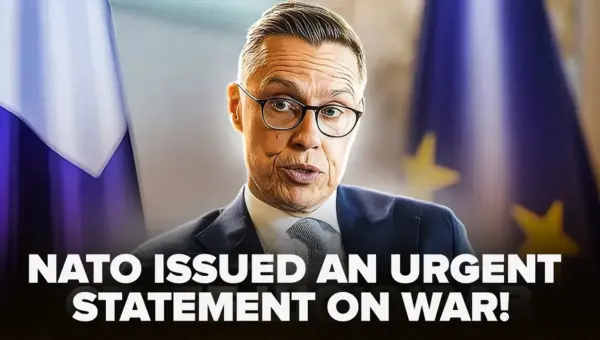
Ukrainian forces struck a key Russian oil refinery, disrupting Moscow's war capabilities. Meanwhile, Finland's president urged continued U.S. support for Ukraine, as Kyiv shares its air defense expertise globally amid growing geopolitical complexities involving Iran and potential sanctions against Hungary.

Trump Halts Iran Strikes Amid Stalled Diplomacy
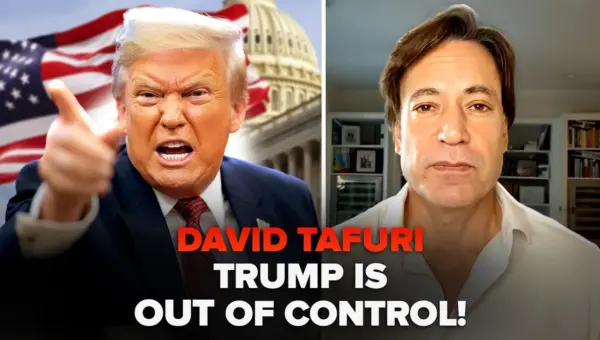
President Trump announced a pause on planned strikes against Iran, citing productive talks, though Iran denies negotiations occurred. Reports also suggest a potential U.S. ground operation on Iran's Hark Island. The situation raises concerns about international support for Ukraine and potential shifts in U.S. foreign policy.
Iran’s Missile Threat Reduced by 90%, Analyst Says
An analyst reports that Operation Epic Fury has degraded Iran's missile launchers by 90%, despite challenges in targeting hidden sites. The conflict's duration and media coverage are also discussed, with implications for global energy markets and investor confidence.