Iran Accepts Ceasefire, Halting Iran-US Escalation
Iran has agreed to a two-week ceasefire with the United States, pulling back from the brink of a major conflict after weeks of escalating tensions. The truce, brokered with Pakistan's help, includes a potential reopening of the Strait of Hormuz. While experts welcome the de-escalation, they caution that significant challenges remain in achieving lasting peace.

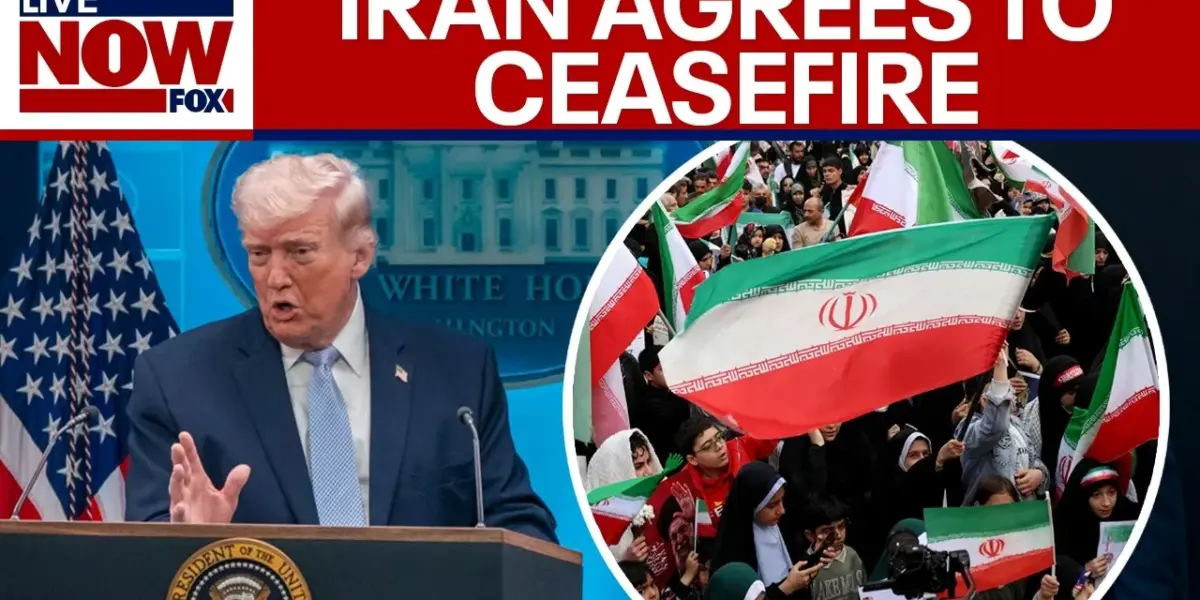
Iran Agrees to Two-Week Ceasefire, Pulling Back from Conflict Brink
The United States and Iran have agreed to a two-week ceasefire, pulling the region back from the edge of a wider conflict. The announcement came just before a critical 8:00 p.m. Eastern deadline, which President Trump had warned could lead to the destruction of an entire civilization. This de-escalation follows weeks of intense military operations and rising tensions.
Pakistan Plays Key Role in Negotiating Truce
The agreement was reportedly brokered with significant help from Pakistan, which requested a halt to destructive forces being sent to Iran. According to President Trump’s statement on Truth Social, Iran has agreed to an immediate and complete opening of the Strait of Hormuz. This crucial waterway is vital for global oil transport. The ceasefire is described as two-sided, meaning neither side will launch major attacks. This provides a much-needed opportunity for diplomacy and negotiation.
Expert Views: Hope Mixed with Caution
Retired U.S. Army Lieutenant Colonel Daniel Davis, a senior fellow at Defense Priorities, called the ceasefire a step in the right direction. “Anything that prevents this war from escalating… should be celebrated,” Davis stated. However, he also urged sobriety, noting that official confirmation from Iran was still pending at the time of the broadcast and that many difficult issues remain unresolved. Davis emphasized that every chance for diplomacy must be seized, but cautioned that long-term peace will require addressing complex demands from both sides.
Key Demands and Lingering Concerns
Iran’s Supreme National Security Council confirmed their acceptance of the two-week ceasefire. Their statement indicated that if attacks against Iran cease, their armed forces will halt defensive operations. Safe passage through the Strait of Hormuz would be possible under Iranian military management, following coordination with Iran’s armed forces. This point about Iranian military management raises questions about the extent of control and oversight.
A significant concern is the recent U.S. and Israeli strikes on an Iranian petrochemical and aluminum plant just before the ceasefire announcement. Davis noted that Iran has been hit hard and has vowed to retaliate in kind for such blows. He also highlighted Iran’s long-standing demand for guarantees that such attacks will not happen again, suggesting this will be a major sticking point in future negotiations.
Israel’s Involvement and Potential Tensions
The situation is complicated by the involvement of Israel, which has been conducting its own operations, including “Operation Epic Fury” and “Operation Roaring Lion.” Reports indicated that moments after President Trump announced the ceasefire, air raid sirens sounded in Tel Aviv due to incoming missile fire. Davis pointed out that there are effectively three sides to this conflict, and the situation remains tenuous. He raised concerns about potential Israeli actions undermining the ceasefire, referencing past instances where Israeli actions seemed to counter U.S. diplomatic efforts.
Davis also discussed the delicate relationship between the U.S. and Israel, noting past differences, particularly regarding Iran and groups like Hamas and Hezbollah. He stated that if Israeli Prime Minister Netanyahu does not support the ceasefire as strongly as President Trump, it could present a significant problem.
Economic and Military Pressures Drive Truce
Both sides appear to have strong incentives for the conflict to end. Israel has reportedly taken significant hits, and the U.S. is facing dwindling inventories of crucial missiles. Davis explained that neither country can sustain the current level of conflict indefinitely. The threat of devastating U.S. strikes on Iranian infrastructure, such as energy facilities and bridges, was a serious concern. However, Davis noted that such attacks could also provoke retaliation against U.S. allies in the region and potentially target vital infrastructure like desalinization plants, which would be catastrophic.
Looking Ahead: The Two-Week Window
While the immediate threat of annihilation has passed, the two-week ceasefire is seen as a fragile truce. The focus now shifts to the complex negotiations that must follow. The core issues involve Iran’s security guarantees, the future of the Strait of Hormuz, and the broader geopolitical landscape. Whether this temporary pause can lead to lasting peace or merely delays a further escalation remains to be seen. The coming days will be critical in determining if both sides can find common ground and avoid a return to hostilities.
Source: UPDATE: Iranian government says it has accepted two-week ceasefire (YouTube)

Related Articles


Troops Could Block Trump’s Iran Orders, Experts Warn
Experts suggest U.S. troops might legally refuse orders from a future President Trump concerning Iran, potentially creating a military dilemma. This would signal a serious breakdown between civilian and military leadership, as military advice and adherence to international law are critical.

Iran’s Power Play: Regime Stays Strong Amidst Ceasefire Talks
A recent two-week ceasefire agreement between the U.S. and Iran masks deep internal tensions within Iran's leadership. While the U.S. sees a victory, experts point to the regime's continued hardline stance and its control over crucial resources like enriched uranium. The public's desire for real change clashes with the government's focus on survival.


Iran’s People Gain Chance to Reclaim Nation
A recent de-escalation between the US and Iran offers a chance for the Iranian people to reclaim their country. An activist highlights the regime's oppression and the US political divide, arguing for supporting internal change. The long-term economic and geopolitical implications, especially regarding oil prices and nuclear capabilities, remain significant.