Iowa’s Shifting Sands: Trump’s Grip Loosens Amidst Economic Woes
Recent polling and electoral trends in Iowa suggest a significant decline in support for Donald Trump and his allies, fueled by economic discontent. Farmers are particularly angered by trade policies, while rising costs of living impact all demographics. This shift points to a potential recalibration of the political landscape.

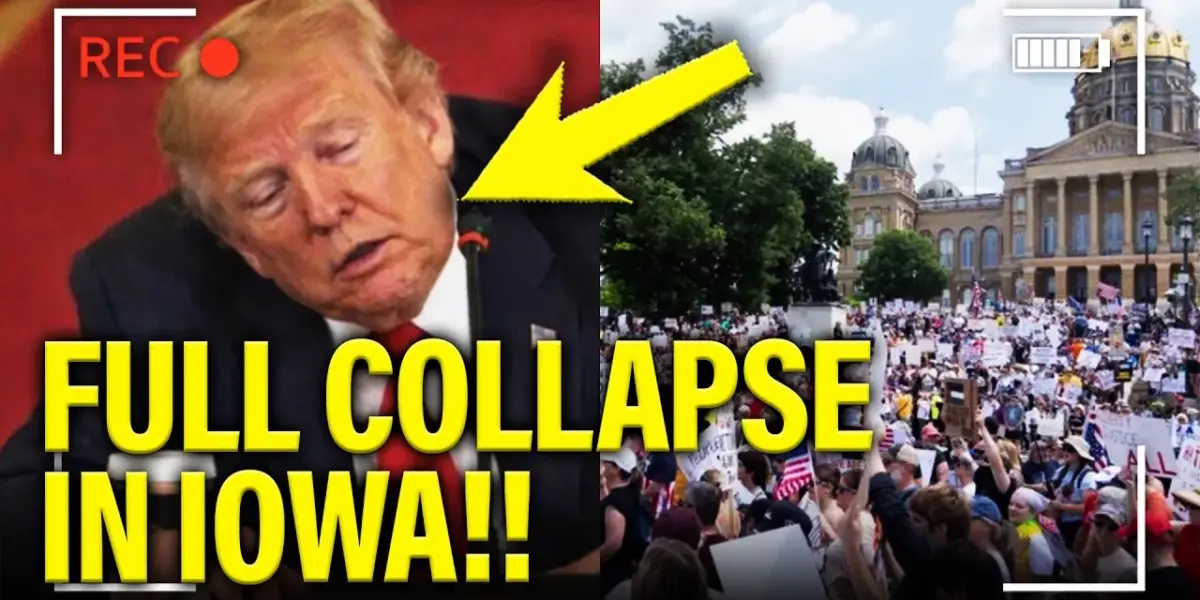
Iowa’s Shifting Sands: Trump’s Grip Loosens Amidst Economic Woes
The political landscape in Iowa, long considered a bellwether and a reliable Republican stronghold, appears to be undergoing a significant transformation. Recent polling data and electoral trends suggest that former President Donald Trump and his aligned candidates are facing a “rude awakening,” with a noticeable decline in approval and mounting dissatisfaction among key voter demographics. This shift, particularly pronounced in a state once thought impervious to Democratic inroads, signals a potential recalibration of the political winds.
Economic Discontent Fuels Political Headwinds
At the heart of this apparent shift lies widespread economic anxiety. The transcript highlights pervasive concerns regarding inflation, the rising cost of living, and the direct impact of national and international policies on Iowans’ daily lives. A significant 67% disapproval rating on the handling of inflation, as reported by a Fox poll, underscores a deep-seated frustration. This sentiment is amplified by specific issues affecting Iowa, such as the dramatic surge in gas and diesel prices. The state has seen one of the nation’s largest weekly jumps, with regular gasoline prices climbing 35.6 cents per gallon and diesel prices increasing by a staggering 51 cents. These figures are not abstract statistics for Iowans; they directly impact the livelihoods of farmers, who rely heavily on diesel for agricultural machinery and are further burdened by disruptions in fertilizer supplies, exacerbated by ongoing geopolitical conflicts and trade policies.
Tariffs, Trade, and Farmer Frustration
Donald Trump’s trade policies, particularly his imposition of tariffs, are frequently cited as a major point of contention. The transcript points to a palpable anger among Iowa farmers, who feel betrayed by Republican representatives who have largely supported these policies. The argument that these measures would eventually yield positive results has worn thin, with many expressing that the situation has only deteriorated over the past year. The assertion that Trump’s tariffs have been an “absolute disaster” for the agricultural sector resonates strongly, creating a disconnect between the party’s leadership and its traditional base in a state where farming remains a cornerstone of the economy.
The Iowa Senate Race: A Microcosm of Broader Trends
The upcoming U.S. Senate race in Iowa is emerging as a critical battleground, reflecting the broader political dynamics at play. With incumbent MAGA Republican Senator Joni Ernst not running, the field is open. The contrast between the MAGA-aligned Republican candidate, Ashley Hinson, and the Democratic challenger, State Senator Zach Walls, encapsulates the ideological and policy rifts. Hinson is portrayed as a staunch supporter of Donald Trump’s agenda, facing criticism for her perceived alignment with policies detrimental to Iowa. The transcript highlights instances where Hinson has been confronted by constituents regarding the cost of living and accused of misrepresenting economic realities. Her enthusiastic endorsement of Trump and her positive portrayal of his administration’s achievements, such as border security and tax cuts, stand in stark contrast to the lived experiences of many Iowans.
Conversely, Zach Walls is presented as a candidate with a track record of representing diverse communities and a commitment to addressing the economic concerns of Iowans. His campaign emphasizes an anti-corruption message and a focus on affordability, appealing to a coalition of Democrats, independents, and even some disaffected Republicans. Walls’ narrative is one of bringing tangible change and fighting for the interests of working families, contrasting sharply with what he characterizes as the detrimental policies of the current administration and its allies.
Electoral Indicators and Shifting Allegiances
The transcript points to a series of special elections in Iowa as significant indicators of a changing electorate. The narrative suggests that the repeated success of Democratic candidates in these contests is no longer a mere anomaly but a sign of a new status quo. The concept of being “stunned or shocked” by Iowa results is dismissed, replaced by the acknowledgment of a fundamental shift where Iowans are expressing a clear message of dissatisfaction. The description of voters feeling “conned” and that promises have not only gone unfulfilled but that the opposite has occurred, paints a picture of a disillusioned electorate.
The outreach efforts of the Walls campaign, reaching all 99 counties and securing grassroots contributions from registered Republicans like Gary, a Vietnam veteran and school board president, illustrate the potential for bipartisan appeal based on shared concerns about corruption and economic fairness. This anecdotal evidence, coupled with the substantial swing towards Democrats in special elections, suggests that traditional party allegiances may be weakening in the face of pressing economic realities.
Historical Context and Future Outlook
Historically, Iowa has played a pivotal role in presidential nominations and has often been a reliable indicator of broader electoral trends. Its agricultural heartland status means that economic policies, particularly those affecting trade and commodity prices, have a profound impact on the voting behavior of its residents. The current dissatisfaction with economic conditions, coupled with a perceived disconnect between Republican leadership and the needs of ordinary Iowans, echoes past periods of economic hardship that have led to political realignments.
The future outlook suggests that the 2024 election cycle in Iowa will be fiercely contested. The narrative presented indicates that the Democratic Party is capitalizing on economic discontent and a desire for change, while the Republican Party, particularly the MAGA wing, faces the challenge of reconciling its platform with the economic realities experienced by many Iowans. The success of candidates like Zach Walls will depend on their ability to sustain this momentum and broaden their coalition. For Donald Trump and his allies, the situation in Iowa serves as a stark warning: economic grievances, when left unaddressed, can erode even the most entrenched political support.
Why This Matters
The developments in Iowa are significant because they challenge long-held assumptions about the state’s political leanings and the enduring strength of the Trump movement. If a state as ideologically aligned with the Republican party as Iowa is showing signs of significant discontent and electoral shifts, it suggests that the national political landscape may be more fluid than previously believed. The emphasis on economic issues – inflation, cost of living, agricultural impacts – as drivers of these shifts indicates that these are likely to be central themes in upcoming elections across the country. The potential for a broad coalition, including independents and disaffected Republicans, to coalesce around economic grievances and anti-corruption messages could offer a new pathway to electoral success for Democrats in traditionally conservative or swing states.
Implications, Trends, and Future Outlook
The implications of these trends are far-reaching. For the Republican Party, it signals a potential need to re-evaluate messaging and policy priorities to better resonate with voters concerned about economic stability. The narrative of Trump’s policies being detrimental to core constituencies like farmers could alienate a crucial segment of the base. For Democrats, it presents an opportunity to build on grassroots momentum and capitalize on economic anxieties, potentially expanding their electoral map. The trend of strong performances in special elections, if sustained, could translate into gains in the general election. The future outlook suggests a highly competitive political environment where economic performance and perceived government responsiveness will be paramount. The ability of candidates to connect with voters on issues of affordability and economic fairness will likely be a deciding factor.
Source: Trump gets RUDE AWAKENING as he COLLAPSES…IN IOWA!!! (YouTube)

Related Articles

Iran’s Pain Strategy: How Gas Prices Could Sink Trump’s Election Hopes
Iran's strategy to inflict maximum pain on the US through economic disruption, particularly rising gas prices, could significantly impact Donald Trump's political future. This analysis delves into Iran's calculated approach to deterrence and the broader regional implications.

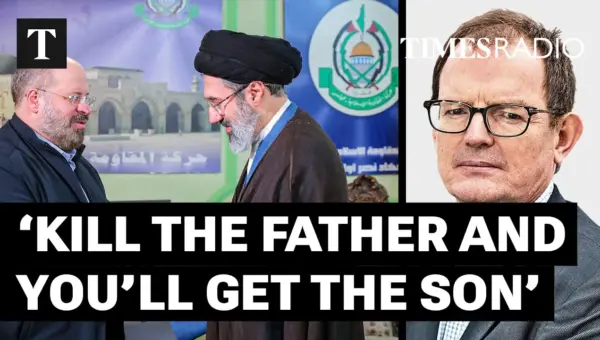
Iran Names New Supreme Leader, Defying Trump and Israel
Iran has appointed Majtaba Khamenei, son of the late Supreme Leader Ali Khamenei, as the new head of state. This move is seen as a direct defiance to the US and Israel, especially after President Trump named Majtaba as an unacceptable successor. The appointment solidifies the hereditary aspect of leadership, a departure from theocratic tradition, and raises regional security concerns.

Polls Signal Trump’s Downfall Amidst Voter Disillusionment
Mounting poll numbers and voter disillusionment suggest a significant challenge to Donald Trump's political standing. This analysis explores demographic shifts, economic pressures, and criticisms of political strategy that may signal a turning tide. The impact on the Republican party and the broader political landscape is profound.