IOC Protects Women’s Sports: Trans Athletes Barred From Female Events
The International Olympic Committee has banned transgender athletes from women's Olympic events, requiring gene tests for eligibility. This decision aims to protect fair competition for female athletes, following controversies at the 2024 Paris Olympics.

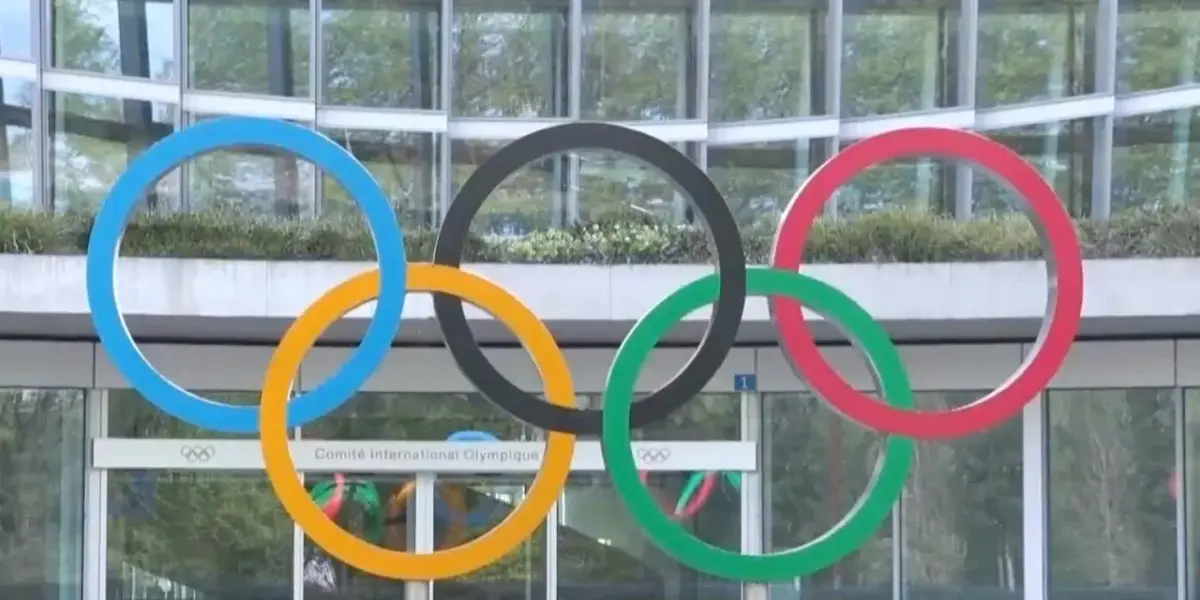
IOC Protects Women’s Sports: Trans Athletes Barred From Female Events
The International Olympic Committee (IOC) has made a significant decision to protect the category of female athletes in Olympic sports. Effective immediately, athletes who identify as transgender will be barred from competing in women’s Olympic events. This new policy aims to ensure fairness and preserve the integrity of women’s sports at the highest level of competition.
To qualify for or participate in women’s events, all athletes will now undergo a gene test to confirm their eligibility. This measure is intended to provide a clear and objective standard for determining who can compete in the female category.
Background to the Decision
This policy change comes after considerable debate and controversy surrounding the inclusion of transgender athletes in women’s sports, particularly highlighted by events at the 2024 Paris Olympics. Two boxers competing in women’s events at the games sparked significant discussion about gender eligibility rules.
These boxers had previously faced scrutiny from the International Boxing Association. A year before the Olympics, the association banned both athletes from the World Championships. The reason for their ban was a failure to pass a gender eligibility test. Despite this, both athletes went on to win Olympic gold medals in their respective weight classes, raising further questions about the existing regulations.
Why This Matters
The IOC’s decision directly addresses concerns about competitive fairness in women’s sports. For decades, the establishment of separate categories for men and women was a response to biological differences that impact athletic performance. The women’s category was created to provide a level playing field for female athletes, allowing them to compete and achieve recognition without facing the physical advantages that biological males often possess.
This move by the IOC signals a recognition that the inclusion of transgender women, particularly those who have gone through male puberty, in women’s sports could undermine this principle of fairness. The gene test requirement is an attempt to create a biological basis for eligibility, moving away from self-identification as the sole criterion for competition in female categories.
Implications and Future Outlook
This policy will undoubtedly have far-reaching implications for sports federations worldwide. Other international sports bodies may now feel empowered or pressured to adopt similar measures to protect their female categories. This could lead to a global shift in how gender eligibility is determined across various sports.
The IOC’s stance could also influence discussions at national and collegiate levels. As sports organizations grapple with evolving social norms and scientific understanding, the debate over transgender inclusion is likely to intensify. The focus on biological factors, as indicated by the gene test requirement, suggests a move towards a more science-based approach to sports policy.
However, this decision is not without potential challenges. The implementation and interpretation of gene testing could be complex and may face legal or ethical challenges. Furthermore, discussions about where to draw the line for inclusion, especially for transgender men or athletes in non-gender-specific sports, will continue.
Historical Context
The debate over gender and sports is not new. Historically, sports have often been segregated along gender lines, acknowledging perceived biological differences. Early Olympic Games did not include women at all. Women were gradually allowed to participate in more sports over time.
As scientific understanding of human biology and athletic performance has grown, so have the conversations about fairness and inclusion. The rise of transgender rights and visibility in recent years has brought these issues to the forefront of sports governance. Governing bodies have struggled to balance inclusivity with the need to maintain fair competition, especially in categories designed to account for biological sex differences.
The IOC’s past policies on transgender athletes have evolved. Previously, the IOC had a policy that allowed transgender women to compete if they met certain testosterone level requirements. This new policy represents a significant departure from that approach, prioritizing biological sex as determined by genetic testing for entry into women’s events.
The move by the IOC reflects a complex and sensitive issue. It aims to uphold the principles of fair play and protect the opportunities for female athletes, while also navigating the evolving landscape of gender identity and inclusion in sports.
Source: International Olympic Committee Moves to Protect Female Category in Olympic Sports (YouTube)

Related Articles


Olympics Bar Biological Males From Women’s Sports
The International Olympic Committee has decided to ban biological males from women's sports, citing scientific advantages. This ruling aims to ensure fairness and safety in female competitions. While transgender athletes are not banned overall, the focus is on biological sex for category eligibility.

IOC Bans Transgender Women From Olympics, Citing Fairness
The International Olympic Committee has introduced a new policy restricting female category events to biological females, requiring a one-time gene test. This decision aims to ensure fairness and safety in sports, particularly impacting transgender athletes and those with Differences in Sex Development (DSD). The change sets the stage for the 2028 Los Angeles Games.


WNBA CBA Deal: Players Score Historic Wins
The WNBA and its players have reached a landmark agreement on a new Collective Bargaining Agreement (CBA) after 100 hours of negotiation. Hailed as "transformational," the deal includes a massive increase in the salary cap, which will now be tied directly to revenue growth. This historic day marks significant progress for women in sports.