Investigating the Dark Side of Motherhood: Breast Milk & Eggs
Journalist Alf Scott's investigation into the breast milk black market and fertility industry reveals a world of unusual requests and ethical complexities. Her book, "Cash Cow," explores how the maternal body is commodified, from secret online markets to the multi-billion dollar fertility trade.

Investigating the Dark Side of Motherhood: Breast Milk & Eggs
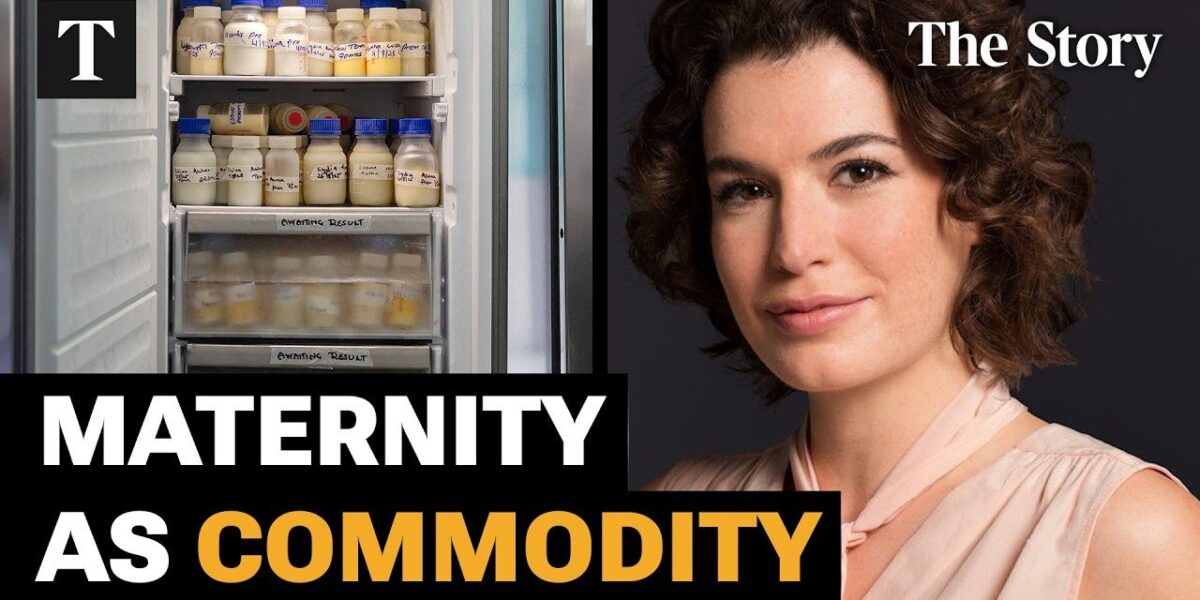
Journalist and author Alf Scott delves into the murky world of commodified motherhood, uncovering a secret black market for breast milk and the ethically complex fertility industry in her new book, “Cash Cow.” The investigation began unexpectedly when Scott, a new mother with an oversupply of breast milk, posted on a website for milk exchange and was inundated with requests from men, many with unusual or sexual intentions, propelling her into a deeper examination of these unregulated markets.
The Unseen Market for Breast Milk
Scott’s research into the online commercial breast milk market revealed a surprising demographic: men. Initially expecting to connect with other mothers or parents needing milk for their babies, Scott was approached by numerous men claiming health reasons or bodybuilding benefits. However, a significant portion made explicit sexual requests, including for videos of pumping and even adult wet nursing. This experience, far from her initial intention of donating surplus milk to a hospital bank, opened her eyes to a hidden world.
“This was an experiment I did to research the online commercial breast milk market. I did not expect it to go the way that it did. I just went deeper down the rabbit hole.”
The informal market for breast milk, while not as large in the UK as in the US, sees prices varying based on the mother’s advertised diet and freshness. Scott recounts meeting a lonely man in his 60s who claimed breast milk helped his IBS and admitted to paying for adult wet nursing. He described the experience not as sexual, but as an intimate, comforting session, drawing parallels to Japan’s cuddle cafes. This encounter highlighted the emotional and psychological needs met within these unconventional markets.
Ethical Quandaries of Commercial Milk Processing
Beyond individual transactions, Scott explored the larger industry of processed breast milk, particularly in the US. Companies collect milk donations, often framing it as a charitable endeavor, and process it into products like “fortifier” for premature babies in NICU wards. While these products save lives, Scott questions the profit-driven model, especially when compared to non-profit milk banks. The high cost of these processed products—around $189 per liter—further complicates the ethics, especially when compared to the $50-$60 per liter fetched on online marketplaces.
The Commodification of Eggs and Surrogacy
Scott’s investigation extended to other facets of the fertility industry, including egg freezing, donation, and surrogacy. She examined clinics that market egg-freezing services, raising concerns about potential exploitation of women anxious about their future fertility. Her research led her to Northern Cyprus, a major fertility hub known for its competitive pricing and less stringent regulations, offering services like gender selection that are illegal elsewhere.
Egg Donation: A Market Driven by Attributes
Posing as a potential egg donor, Scott discovered that compensation often depends on the number of eggs produced, a practice criticized by organizations like the American Society of Reproductive Medicine. She also noted how certain physical attributes, such as blonde hair and blue eyes, command higher prices, and how agencies offer “VIP donors” with password-protected videos, blurring the lines between medical necessity and a consumer market.
Surrogacy: A Generous Yet Transactional Act
Scott also explored surrogacy, interviewing surrogates who viewed the process as a job, earning income to support their families. While respecting their pragmatism and generosity, Scott, a mother herself, found it challenging to fully comprehend the emotional detachment described by surrogates who had carried multiple children for others. She reflected on the immense physical and emotional risks involved, questioning her own capacity to undertake such a profound act for strangers.
A Call for Open Conversation
Through her extensive research and personal reflections, including a deeply moving account of her own miscarriage, Scott aims to spark conversations about the often-taboo subjects of fertility, surrogacy, and the commodification of the maternal body. She emphasizes the urgent need for greater regulation and international frameworks to address the ethical complexities inherent in these burgeoning global markets.
Scott’s “Cash Cow” serves as a critical examination of how the maternal body has become a global commodity, urging readers to confront the ethical dilemmas and commercial forces shaping reproductive choices and experiences worldwide.
Source: Why Men Are Buying Breast Milk On The Secret Black Market (YouTube)

Related Articles


Congressman Swalwell Slams Trump’s Iran Strikes, Cites ‘No Plan’
Congressman Eric Swalwell has strongly condemned the recent U.S. military strikes in Iran, deeming them illegal and lacking a clear strategic plan. He joins Democrats in demanding a War Powers vote, asserting that the administration has failed to present evidence of provocation or a post-strike strategy. Swalwell criticizes the move as a distraction from domestic issues and a departure from campaign promises.


Iran Celebrates After Israeli Strikes Eliminate Top Leaders
Following Israeli airstrikes that reportedly killed Iran's Supreme Leader and top staff, celebrations have erupted among the Iranian diaspora. While a "monumental event," analysts caution against immediate expectations of a smooth democratic transition due to the IRGC's power and a divided opposition.


AI’s Ethical Divide: Trump’s Ban Sparks Fierce Debate
The Trump administration's blacklisting of AI firm Anthropic over its refusal to allow autonomous weapons and mass surveillance has ignited a fierce debate. The move highlights deep ethical divides in AI development and raises concerns about future government-tech partnerships.