Intelligence Official Resigns Over Iran War, Citing Israeli Pressure
Top U.S. intelligence official Joe Kent resigned in protest against the war in Iran, citing a lack of imminent threat and pressure from Israel. Political scientist Benjamin Radd discussed the resignation, shifting public opinion, and the complexities of the conflict. The article explores the administration's justification for the war, its handling of international relations, and the historical context of U.S.-Iran tensions.

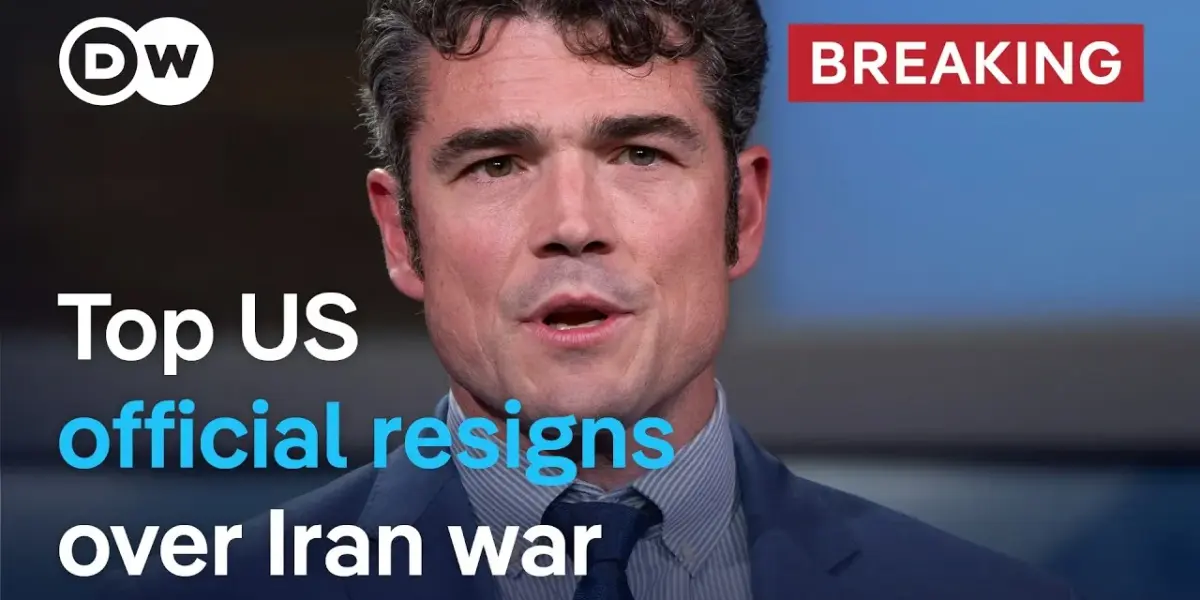
Top Intel Official Quits Over Iran War, Cites Israeli Influence
A top U.S. intelligence official has resigned in protest against the ongoing war in Iran. Joe Kent, director of the National Counterterrorism Center, quit on Tuesday. In his resignation letter, Kent stated that Iran did not pose an immediate threat to the United States that justified starting the war. He also claimed that Israel and its powerful American lobby had pushed Washington into the conflict.
Kent was appointed by President Trump and is the first senior U.S. official to resign over the war. While other Trump intelligence officials have remained largely silent, top Republicans on Capitol Hill have pushed back. House Speaker Mike Johnson stated that Kent was not present for key intelligence briefings on Iran. Johnson argued that the President acted on ‘exquisite intelligence’ to prevent mass American casualties.
“I don’t know where Joe Kent is getting his information, but he wasn’t in those briefings clearly because the Secretary of State, the Secretary of War and everyone, the Joint Chiefs of Staff, General Kaine, they had exquisite intelligence and we understood that this was a serious moment for us.”
Mike Johnson, House Speaker
Expert Weighs In on Resignation and War Justification
Benjamin Radd, a political scientist and expert on Middle East government and U.S. foreign policy, discussed Kent’s resignation and the war’s origins. Radd described Kent as a ‘marginal or fringe figure’ with known ties to far-right nationalist groups. He noted that Kent’s agency, within the Office of the Director of National Intelligence, has been largely sidelined in the administration’s foreign policy initiatives.
Radd also commented on Kent’s rhetoric regarding Israel and its lobby, suggesting it echoes talking points from nationalist circles. While acknowledging Kent’s sentiments about the war, Radd emphasized that the decision to go to war ultimately rests with the President, though Congress has the power to declare war. He pointed out that the lack of public statements from Kent’s agency indicated its limited role in the deliberations.
Shifting Public Opinion and Israel’s Role
The discussion turned to public opinion regarding the conflict. A recent Gallup poll showed that 41% of Americans now sympathize more with Palestinians, while only 36% favor Israel. This marks a historic low for American favorability towards Israel.
Radd agreed that bipartisan support for Israel has been diminishing. However, he also stated that U.S. objectives under the current administration might be separate from Israel’s strategic goals. President Trump has cited Iran’s nuclear enrichment program, ballistic missiles, and support for proxy groups as reasons for U.S. intervention. Radd believes these factors alone could justify U.S. involvement, though the extent of that involvement, whether through war or other punitive measures, remains a subject for discussion.
President’s Surprise and Asymmetric Warfare
President Trump expressed surprise at the scope of Iran’s strikes across the Gulf, questioning why countries like the UAE, which he called Iran’s ‘banker,’ were not spared. He also noted that experts did not predict these events.
Radd suggested that these off-the-cuff remarks might be an attempt to deflect from the war’s slow progress and the public’s negative reaction. He stated that the U.S. military has been simulating Iran conflict scenarios for years. Radd believes the President’s surprise might stem from the asymmetric nature of the warfare, where Iran uses drones and unconventional tactics against the superior military might of the U.S. and Israel. However, he found the idea that the U.S. did not anticipate disruptions in the Strait of Hormuz ‘inconceivable.’ Radd interprets the President’s statements as an effort to distract from perceived failures and a lack of public support for the war.
Lack of Public Articulation and Shifting Justifications
The article notes that there was little attempt by the White House to explain the necessity of the war to the American public before it began. Explanations, such as Iran’s potential to quickly reconstitute its nuclear program, emerged only after the conflict started.
Steve Whit, the president’s negotiator, indicated that Iran possessed enough highly enriched uranium to build a nuclear weapon within weeks. This information, if true, suggested Iran was a ‘threshold breakout nuclear power.’ The fear within the Trump administration was that waiting longer would make preemptive action impossible. However, Radd reiterates the failure to clearly articulate these threats and objectives to the American public.
Seeking International Support Amidst Crisis
President Trump has called on allies, including China, to help secure the Strait of Hormuz. This request led to the postponement of his trip to China.
Radd views this as an attempt by the President to share the diplomatic and financial burden of the war. He notes that the oil transiting through the Strait primarily fuels the rest of the world, with China being a major recipient. Radd believes the President wants China to have a stake in resolving the crisis, as they are impacted by it. However, China has expressed reluctance to get involved, seeing it as a conflict not of their making.
Deteriorating Alliances and Lessons Learned
The article contrasts Trump’s current requests for alliances with his previous disparagement of allies like NATO and European nations. Radd suggests that the President is now having to backtrack on some of his critical comments.
He emphasizes the importance of not disparaging alliances only to call upon them later. Radd believes the takeaway for future presidents is to be more careful with their words and to nurture alliances, especially when facing international conflicts. He highlights the lack of alliance-building before this war, unlike the coalition formed for the 2003 invasion of Iraq.
Israel’s Existential Threat and Historical Context
The conversation returns to Israel’s role, with reports suggesting Prime Minister Benjamin Netanyahu has urged past U.S. presidents to attack Iran.
Radd explains that Iran has long been a state sponsor of terrorism, supporting groups that have harmed U.S. forces and allies. He points to historical events like the 1979 U.S. embassy hostage crisis and Iran’s support for proxies in Afghanistan, Iraq, and Syria. Radd states that while Iran remains a threat to the U.S., the existential threat is more significant for Israel. He argues this point needs better explanation, as Israel, not the U.S., faces the risk of total devastation from an empowered Iran. He concludes by reminding listeners that Iran’s actions, including the 1979 hostage crisis and the events of October 7th, demonstrate its destabilizing influence on the region.
Source: Is Trump's base getting uneasy about the war in Iran? | DW News (YouTube)

Related Articles
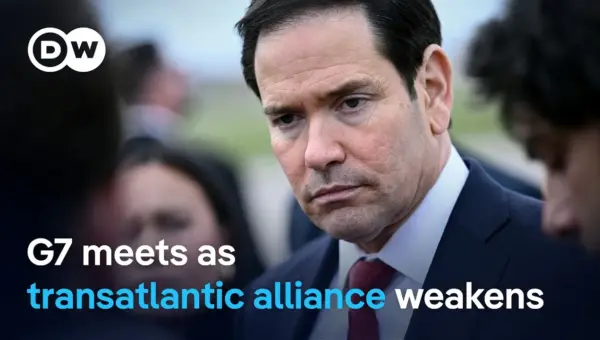
G7 Allies Clash Over Iran War Strategy, Urge Focus on Russia
G7 foreign ministers met in Paris, revealing deep divisions over the U.S. war with Iran. European allies urged the U.S. to pressure Russia, linking its actions to the conflict and fearing support for Ukraine will wane.
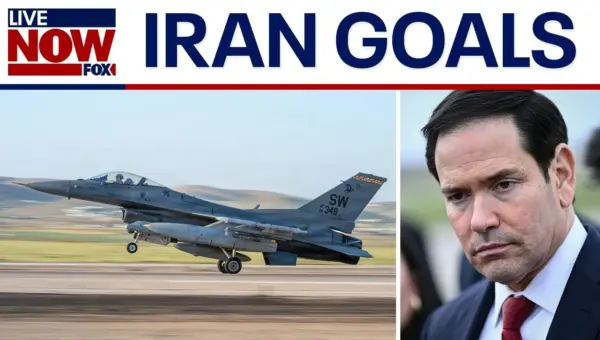
Rubio: US Can Achieve Iran War Goals Without Troops
Senator Marco Rubio outlined a strategy to counter Iran without deploying U.S. ground troops, focusing on weakening the regime and enhancing maritime security. He also criticized Cuba's economic system and expressed concerns about West Bank violence.
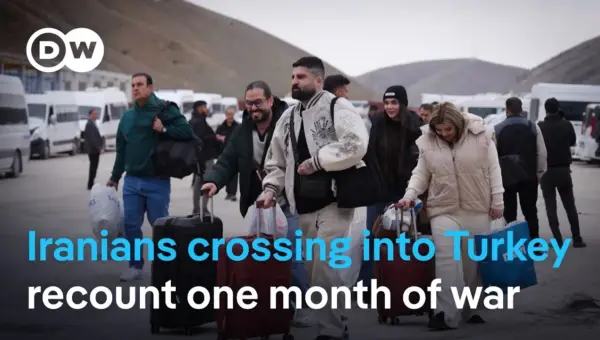
Iran War Exodus: Refugees Flee to Turkey Amidst Bombings
A train from Tehran brings refugees to Turkey, fleeing daily bombings and economic collapse. Many express deep fear for loved ones left behind, while some hold onto national pride and hope for victory. The conflict's impact is also felt economically in Turkey, with rising gas prices.