Intelligence Chiefs Sidestep Blame for War Decisions
Intelligence chiefs repeatedly stated that defining an "imminent threat" is the President's sole responsibility during a recent war hearing. Lawmakers pressed for evidence justifying military actions, but officials deferred, raising questions about accountability and transparency in war decisions.


Intelligence Chiefs Sidestep Blame for War Decisions
During a recent war hearing, top U.S. intelligence officials faced tough questions from lawmakers about the basis for military actions. The directors of the CIA, DIA, FBI, and NSA were present to share their annual threat assessment. However, the focus quickly shifted from global threats to the specific decisions leading to conflict, particularly concerning Iran. Lawmakers pressed the officials on whether there was clear evidence of an imminent threat that justified military engagement.
Congress Questions Imminent Threats
Members of Congress, both Democratic and Republican, questioned why the U.S. seemed to be following the lead of other nations in foreign policy decisions. They specifically asked why intelligence assessments might differ from actions taken by the President. For instance, Congresswoman Tulsi Gabbard repeatedly asked if there was evidence Iran intended to attack the United States. The intelligence directors often responded that such determinations, including the definition of an “imminent threat,” are ultimately the President’s responsibility.
“The imminent nature of a threat is provided is is determined by the president based on a totality of the intelligence and information provided to him,” stated one director during the hearing. This response, repeated multiple times, frustrated some lawmakers who felt it undermined the purpose of intelligence agencies.
Congressman Seth Moulton, whose constituents were affected by the conflict, directly asked for a “yes or no” answer regarding evidence of Iran’s intent to attack the U.S. before the war began. The response was that this information needed to be reserved for a closed hearing. This pattern of deferring to the President’s decision-making authority was a recurring theme throughout the questioning.
Iran’s Nuclear Program and Leadership Uncertainty
Discussions also touched upon Iran’s nuclear program and the uncertainty surrounding its leadership. Lawmakers pointed out that intelligence assessments from the previous year indicated Iran was not building a nuclear weapon. There was also confusion regarding the status of a religious ban, or “fatwa,” on developing nuclear weapons, which appeared to still be in place. The potential succession of Iran’s Supreme Leader and the possibility of a hardliner taking over also raised concerns.
Intelligence officials confirmed that while the President was briefed on potential successors, his objectives for military operations did not include regime change. This was noted as potentially different from the objectives of other nations involved, like Israel.
Economic Impacts and Global Supply Chains
The economic consequences of potential conflict were also a significant point of discussion. Lawmakers inquired whether the intelligence community had briefed the President on the potential impacts to global supply chains and oil and gas prices. While officials indicated such assessments were provided, the specific level of detail and the President’s awareness were not always definitively confirmed. The capability of Iran to disrupt shipping through the Strait of Hormuz was acknowledged, though officials stated their capabilities had been degraded.
Differing Perspectives and Accountability
One exchange highlighted a strong disagreement with a former intelligence official’s letter. This letter suggested that Israeli officials and American media engaged in a misinformation campaign to push for war with Iran, using tactics similar to those that led to the Iraq War. While intelligence officials acknowledged concerns about blaming Israel, they reiterated that their role was to provide assessments, and the President makes the final decisions.
The hearing underscored a fundamental tension: the intelligence community’s role in providing objective analysis versus the President’s ultimate authority to act. Lawmakers expressed frustration that intelligence officials seemed unable to provide direct answers about the justification for war, instead consistently pointing to the President’s decision-making power. This left some questioning the accountability of the intelligence apparatus when significant military actions are undertaken.
Why This Matters
This exchange is critical because it shines a light on the complex relationship between intelligence gathering, policy-making, and military action. When intelligence officials consistently defer ultimate decision-making to the President, it raises questions about transparency and accountability, especially when lives and significant national resources are at stake. The public deserves to understand the factual basis for going to war. The repeated emphasis on the President’s sole authority to define an “imminent threat” can obscure the specific intelligence that informs such a critical judgment, potentially leaving citizens and even other branches of government in the dark about the true drivers of foreign policy decisions.
Implications, Trends, and Future Outlook
The trend of intelligence agencies providing assessments that are then interpreted and acted upon by political leaders is a cornerstone of modern governance. However, this hearing suggests a potential disconnect or a perceived lack of clarity in how those assessments translate into concrete actions, particularly in high-stakes situations like military conflict. Future outlooks may involve increased scrutiny from Congress on how intelligence is used to justify military interventions. There could be calls for more explicit declassification of intelligence related to the lead-up to wars, or clearer protocols for how intelligence findings are communicated to the public and legislative bodies. The balance of power between the executive branch and the intelligence community, and its role in authorizing military force, will likely remain a subject of debate and oversight.
Historical Context and Background
The relationship between intelligence agencies and presidential decision-making has a long history. Following events like the attack on Pearl Harbor and the intelligence failures leading up to the September 11th attacks, there have been ongoing efforts to improve intelligence collection, analysis, and dissemination. However, the post-9/11 era also saw significant debates about the use of intelligence, particularly concerning the Iraq War, where the justification for invasion was later found to be based on flawed or misrepresented intelligence. This hearing echoes those past concerns, as lawmakers attempt to understand the intelligence underpinning current U.S. foreign policy and military engagements, seeking to ensure that decisions are based on solid evidence rather than political expediency or external influence.
Source: 🚨TOP Trump Officials THROW HIM UNDER BUS at WAR HEARING!! (YouTube)

Related Articles
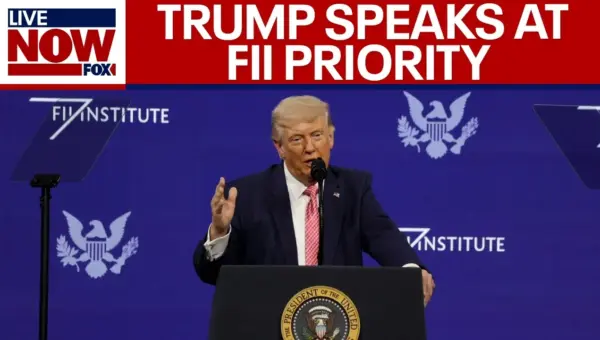
Trump Boasts Military Might, Slams Iran at Investment Summit
Former President Donald Trump spoke at the FII Priority Summit, detailing his administration's assertive stance against Iran and emphasizing the strength of the U.S. military. He claimed credit for dismantling Iran's military capabilities and preventing its nuclear ambitions. Trump also criticized NATO while praising Middle Eastern allies and touched on domestic issues like border security.

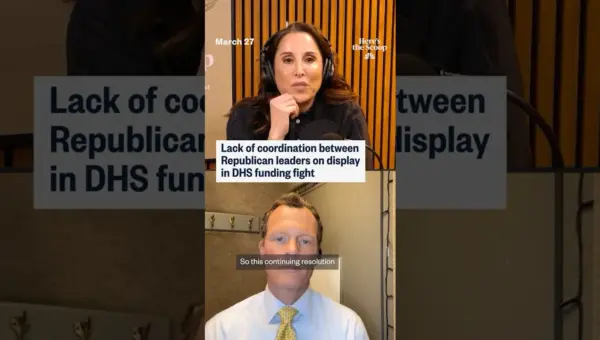
GOP Leaders Clash Over DHS Funding, Exposing Deep Divisions
Republican leaders are struggling to find common ground on Department of Homeland Security funding, exposing deep divisions within the party. A proposed House resolution faces an uphill battle due to Senate recess and internal GOP dissent. Speaker Mike Johnson appears to be prioritizing appeasing a conservative faction over seeking broader bipartisan support.
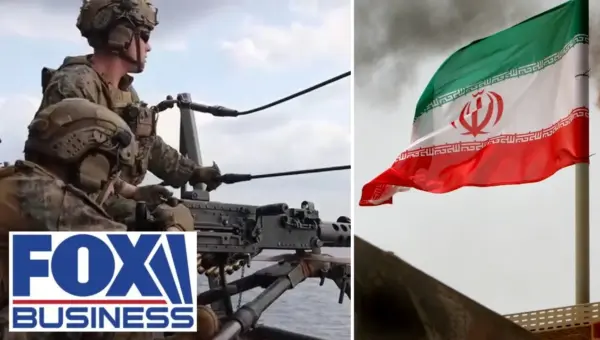
Pentagon Weighs 10,000 Troops for Iran Showdown
The Pentagon is reportedly weighing a significant troop increase of 10,000 soldiers to the Middle East, potentially escalating tensions with Iran. This move comes amid reports of U.S. precision strikes and interceptions of Iranian missiles by allies, raising concerns about regional stability and global oil supplies.