Intelligence Blind Eye: Iran Threat Claims Under Fire
Senator John Barrasso questioned DNI Tulsi Gabbard about the intelligence community's assessment of Iran's nuclear threat. Discrepancies emerged between intelligence findings of a dismantled program and White House claims of an "imminent threat," raising concerns about politicized intelligence.

Intelligence Blind Eye: Iran Threat Claims Under Fire
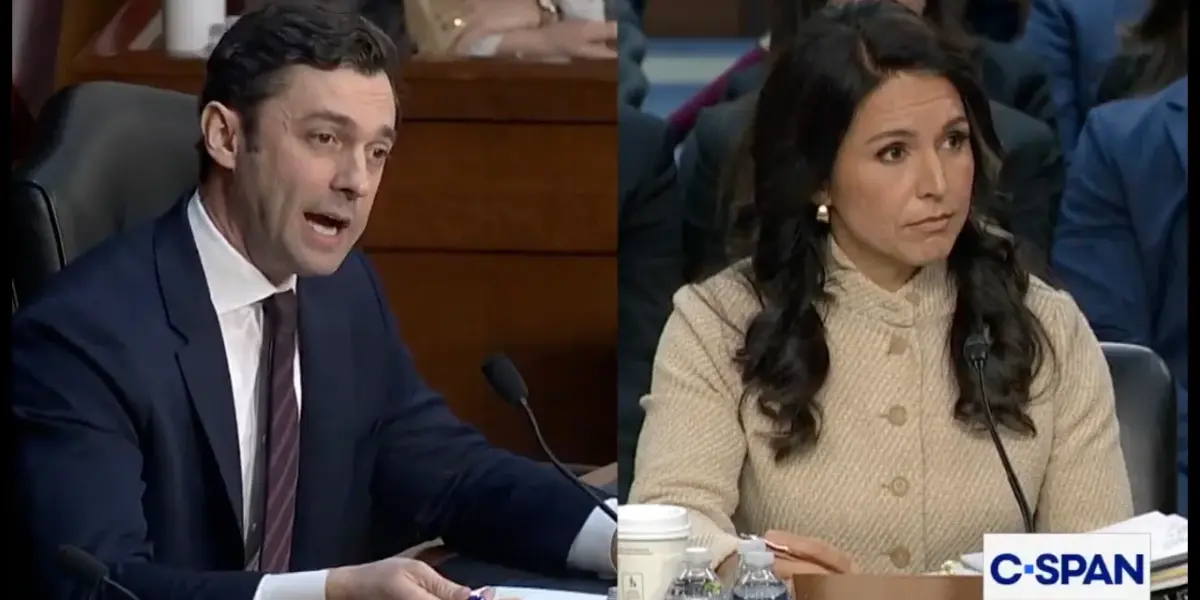
A recent Senate hearing has brought to light serious questions about the U.S. intelligence community’s assessment of Iran’s nuclear program and the justification for military action. Senator John Barrasso challenged Director of National Intelligence Tulsi Gabbard regarding the White House’s claim that Iran posed an “imminent nuclear threat.” The exchange revealed a significant gap between the White House’s public statements and the intelligence assessments presented.
Conflicting Narratives Emerge
During the hearing, Barrasso pressed Gabbard on the intelligence community’s findings. He pointed out that the intelligence assessment stated Iran’s nuclear enrichment program was “obliterated” by air strikes the previous summer. Furthermore, the intelligence community found “no effort since then to try to rebuild their enrichment capability.” This directly contradicted the White House’s March 1st statement, which described a military campaign to eliminate an “imminent nuclear threat posed by the Iranian regime.” Barrasso’s line of questioning aimed to establish whether the intelligence community itself believed Iran posed such an immediate danger.
Gabbard’s responses were notably evasive. She repeatedly stated that determining what constitutes an “imminent threat” is the President’s sole responsibility. When pressed further, she argued that the intelligence community provides the information, but the President makes the final call on threats to the United States. This stance frustrated Barrasso, who asserted that the hearing was precisely for the intelligence community to present its objective assessment of threats, independent of political considerations. He accused Gabbard of evading the question to avoid contradicting the White House’s narrative.
Historical Context and Shifting Stances
This situation echoes past instances where intelligence assessments have been debated and sometimes seen as influenced by political objectives. The lead-up to the Iraq War, for example, saw significant controversy over intelligence related to weapons of mass destruction. In that case, critics argued that intelligence was selectively used or interpreted to build a case for military intervention.
The transcript also highlights a past statement from Tulsi Gabbard herself, made before she joined the current administration. In that earlier context, she strongly opposed military action against Iran, warning of devastating consequences and a potential regional war. She stated, “This war with Iran would be far more devastating, far more costly than anything that we ever saw in Iraq.” She argued that such a conflict would take many more lives, worsen the refugee crisis, and escalate into a regional conflict. Her previous stance emphasized the need for clarity and a rejection of war with Iran, suggesting that escalating towards conflict would make previous wars look minor by comparison.
However, the current hearing suggests a significant shift. The analysis presented in the video implies that Gabbard’s current position, which prioritizes the President’s determination of threats over direct intelligence community confirmation, serves to align with the administration’s policy. The video’s narrator suggests this is a change from her previous, more critical stance on potential military engagements with Iran.
Discrepancies and Doubts
The core of the controversy lies in the apparent disconnect between the intelligence community’s assessment of Iran’s dismantled nuclear program and the White House’s urgent portrayal of an “imminent threat.” If Iran’s enrichment capabilities were indeed destroyed and there were no efforts to rebuild them, the basis for an immediate, imminent danger becomes questionable. The video suggests that the White House needed a justification for military action, and the “imminent threat” narrative provided it.
The analysis also points to a social media post by Caroline Levit, who, according to the video, previously tweeted that “no such threat from Iran to our homeland exists and it never did.” This tweet is presented as evidence that even within the administration’s circles, there was an understanding that Iran did not pose an immediate threat. The video contrasts this with Levit’s later statements during the hearing, which defended the White House’s position against claims that Iran posed no imminent threat, labeling such claims as false. This apparent contradiction, as highlighted in the video, further fuels skepticism about the administration’s messaging.
Why This Matters
This exchange is crucial because it touches upon fundamental principles of transparency, accountability, and the role of intelligence in foreign policy. When the public justification for military action is questioned, and intelligence assessments appear to be at odds with political rhetoric, it erodes trust. The public has a right to understand the basis for decisions that could lead to war, especially when those decisions involve significant human and financial costs.
The situation raises concerns about whether intelligence is being presented objectively or shaped to fit a predetermined political agenda. The director of national intelligence’s inability or unwillingness to directly confirm or deny the existence of an “imminent threat” based on intelligence findings, instead deferring to the President, suggests a potential politicization of intelligence. This can have serious implications for national security, as it may lead to misinformed policy decisions based on political expediency rather than accurate threat assessment.
Implications and Future Outlook
The implications of this hearing are far-reaching. It underscores the ongoing tension between the executive branch’s authority to conduct foreign policy and Congress’s oversight role. It also highlights the challenges faced by intelligence professionals who are expected to provide candid assessments while navigating political pressures. The reliance on the President’s personal determination of threats, rather than clear intelligence community consensus, can create ambiguity and potentially lead to a misjudgment of risks.
Looking ahead, this incident may prompt further scrutiny of how intelligence is gathered, analyzed, and communicated to policymakers and the public. There will likely be increased pressure on intelligence agencies to maintain their independence and provide clear, unvarnished assessments, even when they are politically inconvenient. The public discourse surrounding the justification for military action and the role of intelligence will continue to be a critical aspect of democratic oversight. The situation serves as a reminder that in matters of war and peace, clarity, truthfulness, and objective intelligence are paramount.
Source: MUST-SEE: Tulsi Gabbard makes BOMBSHELL CONFESSION at Senate hearing (YouTube)

Related Articles
Trump’s “Walk Away” Tactic Signals Tougher Stance on China
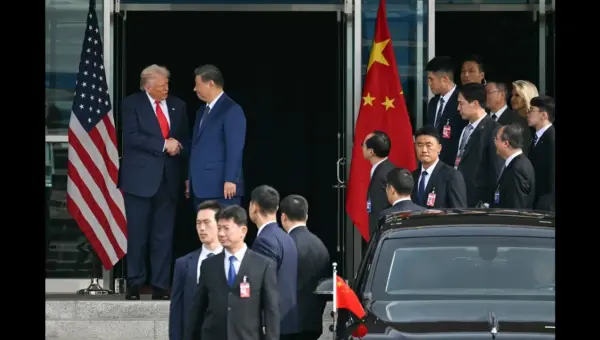
Retired Air Force Brigadier General David Stillwell believes President Trump's strategy of being willing to walk away from negotiations puts pressure on China. This tactic, combined with US global actions and strengthened alliances, signals a more assertive American foreign policy.

Trump’s War Talk Stuns Financial Crowd
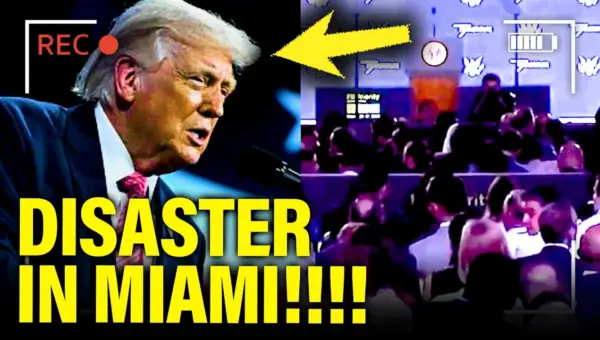
Donald Trump's recent speech in Miami focused on his foreign policy, particularly his critical views on NATO and his vision for international relations. He declared the U.S. would no longer defend NATO allies, questioned the value of existing alliances, and suggested renaming the Strait of Hormuz. The speech also touched on his personal views of success, his allies, and his perceived role as a global peacemaker.
Trump’s Warpath: New Threats Signal Imperial Ambitions
Recent statements from Donald Trump reveal a potential embrace of increased military action and interventionist foreign policy. This approach, characterized by critics as "imperialism 2.0," contrasts with his past promises of peace and has even drawn criticism from parts of his own base. The implications for U.S. global engagement and domestic priorities are significant.