Intel Chiefs Face Tough Questions on Iran, Border Threats
Intelligence chiefs faced tough questions regarding warnings about Iran's actions and the nation's top security threats. Director of National Intelligence Avril Haines was pressed on whether President Trump was briefed on potential Strait of Hormuz closures. The hearing also highlighted a surprising shift in threat prioritization, with border security listed above concerns like China and Russia.

Intel Chiefs Face Tough Questions on Iran, Border Threats
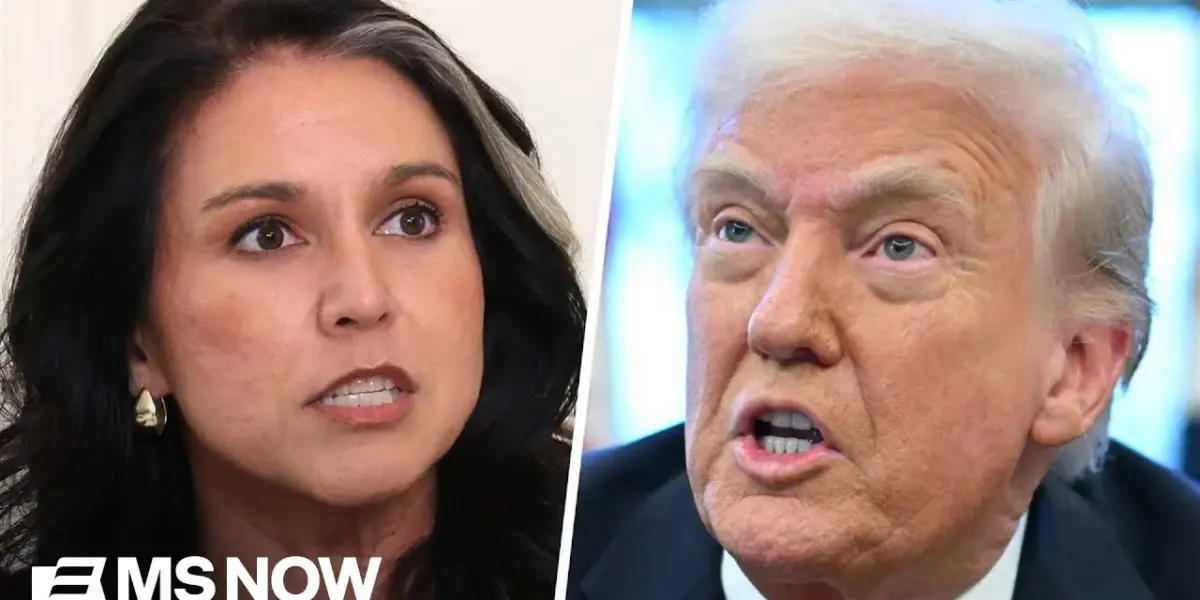
Intelligence chiefs faced intense scrutiny during a recent worldwide threats hearing, with key questions arising about warnings related to Iran and the prioritization of national security threats. Director of National Intelligence Avril Haines fielded challenging inquiries from lawmakers, particularly regarding whether President Trump was informed about potential Iranian actions in the Strait of Hormuz. The hearing also highlighted a surprising shift in the stated top threat to the U.S., with border security and illicit drug actors listed above more traditional concerns like China and Russia.
Questions Swirl Around Iran Warnings
A central point of contention during the hearing was the intelligence provided to President Trump concerning Iran. When asked directly if the President was warned that Iran might close the Strait of Hormuz, Haines twice declined to answer. This refusal led some observers to suggest that the President may not have received critical intelligence, or that Haines was protecting him from consequences for potentially ignoring such warnings. This situation is particularly significant given the ongoing conflict with Iran and its impact on global oil prices.
When pressed on whether the intelligence community assessed that Iran could shut down the Strait of Hormuz, Haines reportedly stated that the President was continually given the most up-to-date intelligence. However, the inability to provide a simple yes or no answer to the specific question about the Strait of Hormuz closure left many questioning the clarity and completeness of the information flow.
“We’ve continued to give the president the most up-to-date intelligence when asked directly, did you assess that Iran could shut down the Strait of Hormuz? It’s a yes or no question. We’ve heard her been asked this question now multiple times, and she’s refused to answer that question directly.”
Fulton County Warrant Also a Focus
Beyond the Iran-related questions, Senator Mark Warner also pressed Haines on her presence during an FBI search warrant execution in Fulton County. Warner sought to understand why the Director of National Intelligence was involved in the raid and if Donald Trump had prior knowledge of the operation. A clear answer on this matter was not provided during the open hearing.
Shifting Threat Priorities Spark Debate
A notable aspect of the hearing was the unclassified summary of worldwide threats. For the first time in over 15 years of covering these hearings, the document listed border security and illicit foreign drug actors as the number one threat to the United States. This ranking stands in contrast to the ongoing war with Iran, leading to questions about the intelligence community’s priorities.
Traditional major threats, such as a growing and aggressive China, the war between Russia and Ukraine, and global terrorism, received minimal mention or were relegated to the back of the report. This shift in emphasis raises significant questions about where the intelligence community is focusing its resources and attention.
Closed-Door Sessions Expected to Bring Clarity
While the open hearing provided some insights, experts suggest that closed-door sessions are likely to offer more definitive answers. In these classified settings, the intelligence community can discuss sensitive details, including the concept of imminence and specific briefings provided to the administration. It is expected that in these closed hearings, Haines will not be able to avoid direct answers, as committees can request documentation of what was briefed.
Many who have worked in or followed the Middle East believe that much of what has transpired with Iran was predictable. They anticipate that the intelligence community did indeed brief the administration clearly on the unfolding situation. The discrepancy between these expected briefings and any public statements made by political figures is expected to become clearer following the closed-door sessions.
Looking Ahead
The coming weeks will be crucial as the findings from the closed-door intelligence briefings are expected to be revealed. The clarity provided on the warnings given to the President regarding Iran and the definitive stance on national security priorities will be closely watched. Public and congressional reaction to these revelations will likely shape future policy and international relations.
Source: Break down of Trump intel chiefs' testimonies so far at worldwide threats hearing (YouTube)

Related Articles
U.S. Iran Tensions Rise Amid Shifting Alliances
Rising tensions between the U.S. and Iran are creating a volatile geopolitical situation. With conflicting signals on de-escalation and potential shifts in alliances like NATO and U.S.-Israel relations, the path forward remains uncertain. The global economy and regional stability hang in the balance.

Iran Targets US With Cyberattacks, Escalating Digital Warfare
Iran is increasingly using cyberattacks to challenge the U.S., as seen in a recent hack of the FBI director's account. Experts say this is a strategic shift due to Iran's limitations in conventional warfare. The U.S. needs to strengthen its digital defenses, focusing on encryption and cloud computing, rather than solely relying on traditional security measures.

Iran Hacks FBI Chief, Exposing U.S. Cyber Vulnerabilities
A recent hack of FBI Director Kash Patel's personal email by an Iran-linked group highlights Iran's growing cyber threat to the U.S. Experts explain how simple security oversights are exploited, emphasizing the need for basic defenses like two-factor authentication to protect against propaganda and potential infrastructure attacks.