Intel Chief Contradicts Trump on Iran Enrichment Claims
Former Director of National Intelligence Dan Coats contradicted President Trump's claims that Iran had restarted uranium enrichment. This intelligence discrepancy, echoed by former Congresswoman Tulsi Gabbard, raises serious questions about the administration's rationale for escalating tensions with Iran.

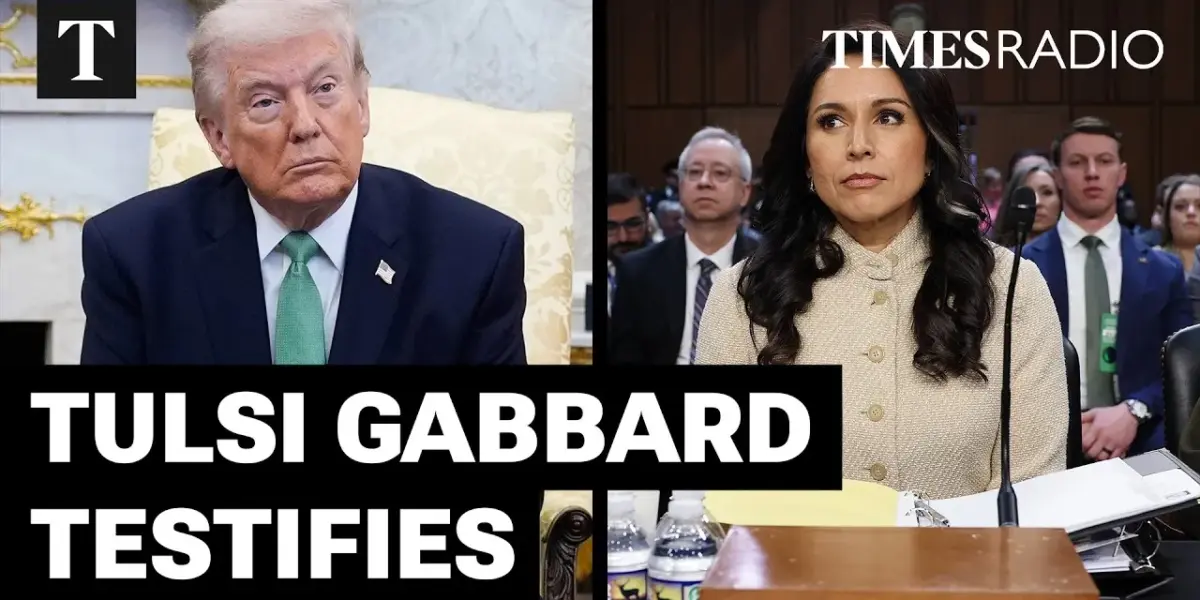
Intel Chief Contradicts Trump on Iran Enrichment Claims
Former Director of National Intelligence Dan Coats contradicted President Donald Trump’s claims regarding Iran’s nuclear activities in 2019. Coats testified before Congress that Iran had not restarted uranium enrichment, directly challenging the administration’s public statements that suggested otherwise. This intelligence assessment raises significant questions about the rationale behind the heightened tensions and potential military actions against Iran at the time.
Intelligence Discrepancy Sparks Questions
The core of the issue lies in conflicting reports about Iran’s nuclear program. While President Trump and his administration often asserted that Iran was actively pursuing nuclear weapons and had restarted uranium enrichment, intelligence assessments presented a different picture. Dan Coats, who served as the Director of National Intelligence under Trump, stated under oath that U.S. intelligence agencies had found no evidence of Iran restarting enrichment activities. This statement was made during a Senate Intelligence Committee hearing in July 2019.
This discrepancy is crucial because the alleged restart of uranium enrichment was frequently cited as a primary justification for increasing pressure on Iran, including imposing severe economic sanctions and increasing military presence in the region. The intelligence community’s assessment, if accurate, suggests that the administration’s public narrative may not have been fully supported by the facts gathered by its own spy agencies.
Tulsi Gabbard’s Role and Lord Richards’ Concern
The transcript highlights the testimony of Tulsi Gabbard, a former member of Congress and presidential candidate, who also stated that Iran had not restarted uranium enrichment. Her public statements aligned with the intelligence assessment. Speaking on Times Radio, former Chief of the Defence Staff, Lord Richards, pointed out the significance of these conflicting accounts. He noted Gabbard’s testimony and questioned the underlying reasons for the escalating conflict with Iran. “What was this war about?” Lord Richards asked, emphasizing the confusion caused by the differing information.
Lord Richards’ question points to a broader concern about transparency and decision-making within the government, especially when national security and the possibility of military conflict are involved. When intelligence assessments and public statements diverge, it becomes difficult for the public and policymakers to understand the true nature of threats and the justification for foreign policy actions. This lack of clarity can erode trust and lead to misguided decisions.
Broader Implications for Foreign Policy
The situation surrounding Iran’s nuclear program and the conflicting intelligence reports has significant implications for how foreign policy is conducted. It underscores the importance of intelligence gathering and analysis as the foundation for sound decision-making. When political leaders appear to disregard or misrepresent intelligence findings, it can have severe consequences, including misallocating resources, damaging international relations, and potentially leading to unnecessary conflict.
Furthermore, the divergence between intelligence assessments and public statements can create confusion and distrust among allies. International partners rely on consistent and accurate information to cooperate on security matters. If allies perceive that a nation’s policy is based on questionable or politically motivated information, it can undermine collective security efforts. The case of Iran highlights the challenges of balancing intelligence operations, which often require secrecy, with the public’s right to know and the need for clear communication from government officials.
What to Watch Next
Moving forward, it will be important to monitor any further declassifications or revelations regarding the intelligence assessments of Iran’s nuclear program during the Trump administration. Continued scrutiny of how intelligence is used to inform policy decisions is essential. Understanding the full context of these events will help prevent similar situations where strategic decisions might be based on incomplete or disputed information. The public’s ability to trust official statements on matters of national security depends on the consistent and honest presentation of intelligence findings.
Source: Trump's Claims About Iran Undermined by His Own Director Of National Intelligence (YouTube)

Related Articles

Trump’s “Walk Away” Tactic Signals Tougher Stance on China
Retired Air Force Brigadier General David Stillwell believes President Trump's strategy of being willing to walk away from negotiations puts pressure on China. This tactic, combined with US global actions and strengthened alliances, signals a more assertive American foreign policy.
Gulf States Demand Seat at Table on Iran’s Nuclear Future
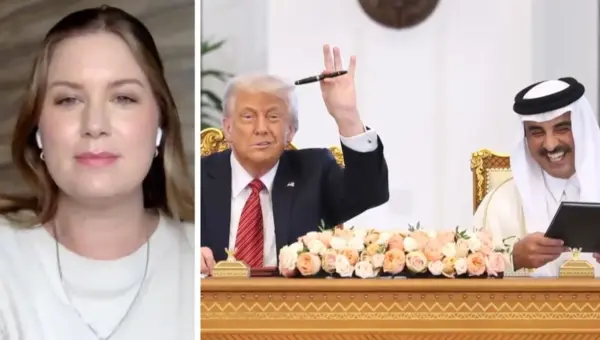
Gulf states are demanding a seat at the table for any U.S.-Iran talks regarding Iran's nuclear future. This move reflects a growing assertiveness and a desire to shape regional security directly. It signals a potential shift towards more inclusive diplomatic efforts in the Middle East.
Trump’s Name Everywhere: A ‘Stain’ on GOP Legacy?
Former President Donald Trump's efforts to brand national symbols, including a proposed signature on dollar bills, spark debate. Critics view this as an authoritarian attempt to embed his legacy, potentially staining the Republican Party's history and contrasting with democratic ideals of public ownership.