Insurers Withdraw Gulf Shipping Coverage, Threatening Global Trade
Major insurers are withdrawing war risk coverage for ships transiting the Strait of Hormuz due to escalating geopolitical tensions. This move threatens to strand over 150 vessels and could cause global energy prices to surge.

Gulf Shipping Faces Insurance Crisis Amid Rising Tensions
A critical juncture has been reached for global maritime trade as major insurance providers begin to withdraw crucial coverage for vessels navigating the Strait of Hormuz. This alarming development, driven by escalating geopolitical tensions involving Iran, the United States, and Israel, threatens to cripple one of the world’s most vital shipping lanes and could trigger significant price hikes for oil, gas, and other commodities.
What is War Risk Insurance and Why is it Crucial?
Shipping companies rely heavily on ‘war risk’ insurance to protect themselves against potential losses stemming from acts of war, terrorism, and other hostilities. This specialized coverage is essential for vessels operating in volatile regions, ensuring that cargo owners and shipping operators are financially protected against unforeseen events.
However, the current climate in the Persian Gulf has pushed the risk threshold to an unacceptable level for many insurers. The conflict has escalated to a point where the potential for attacks on commercial shipping is deemed too high, transforming the insurance of these voyages into a significant liability for underwriters.
The Impact of Withdrawn Coverage
The withdrawal of war risk insurance means that many ships are now struggling to secure the necessary coverage to transit the Strait of Hormuz. Without this vital protection, companies are hesitant, and in many cases unable, to transport their goods. This has led to a growing number of vessels being stranded, with reports indicating that over 150 ships are currently affected around the strait.
The implications are far-reaching. The Strait of Hormuz is a critical chokepoint, through which approximately one-fifth of the world’s oil and gas passes. A complete standstill in this waterway, compounded by the inability of ships to obtain insurance, could lead to severe disruptions in global energy supplies and commodity markets.
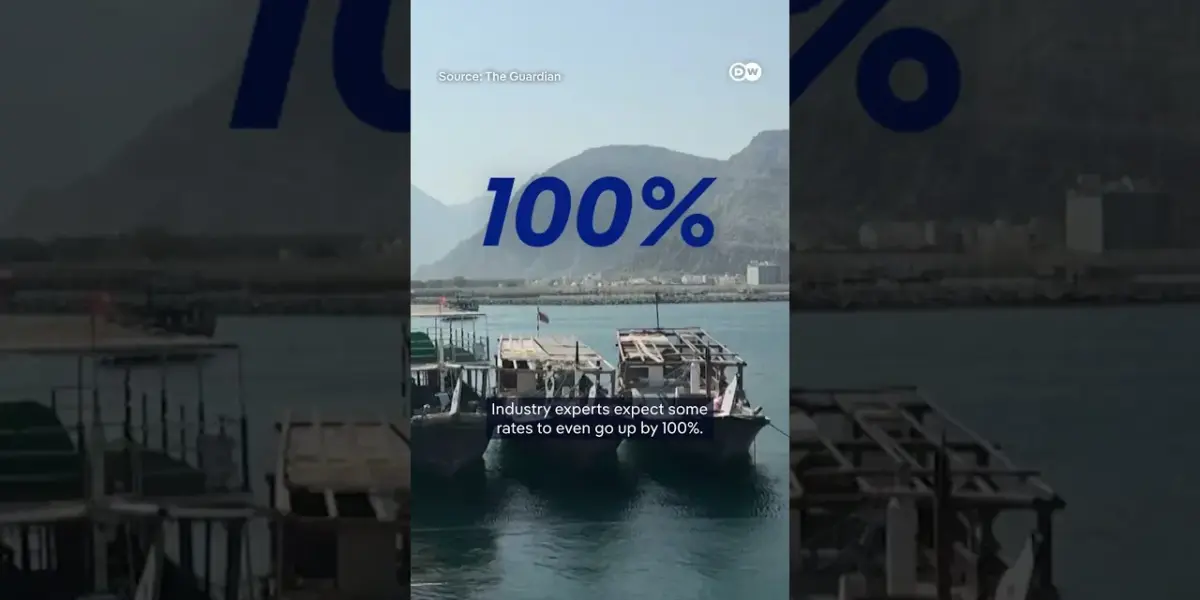
Industry experts anticipate a dramatic increase in insurance rates, with some projecting that prices could double, increasing by up to 100%.
Escalating Dangers and Human Cost
The decision by insurers is not without cause. Several tankers have already fallen victim to attacks in the region, tragically resulting in the deaths of seafarers. These incidents underscore the very real dangers faced by those who work on the front lines of global trade and highlight the precariousness of maritime operations in conflict zones.
Broader Economic Repercussions
The potential for a complete shutdown of shipping through the Strait of Hormuz, coupled with the spiraling costs of insurance, presents a grave threat to the global economy. A surge in the prices of Liquefied Natural Gas (LNG), crude oil, and other essential goods is a highly probable outcome. This could exacerbate existing inflationary pressures and impact consumers worldwide.
The situation demands urgent attention from international bodies and governments to de-escalate tensions and ensure the safety and unimpeded passage of vessels through this crucial maritime corridor. The economic stability and security of numerous nations are intricately linked to the free flow of goods through the Strait of Hormuz.
Looking Ahead: What’s Next for Gulf Shipping?
The coming weeks will be critical in determining the future of shipping through the Strait of Hormuz. All eyes will be on diplomatic efforts to ease tensions in the region and on the decisions of insurance providers. The ability of governments and international organizations to provide assurances for the safety of vessels and crews will be paramount in potentially restoring insurance coverage and preventing a wider economic crisis. The resilience of global supply chains will be tested as the world watches to see if this vital artery of trade can remain open.
Source: Insurances pull coverage from Gulf shipping through the strait of Hormuz (YouTube)

Related Articles

Trump’s Iran Gamble Risks MAGA Base, Reshapes Global Alliances
Ambassador John Bolton discusses the strategic implications and risks of President Trump's military engagement with Iran. The analysis explores the potential impact on Trump's political future, the MAGA base, and the shifting global alliances amidst the escalating conflict.


Oil Prices Surge, Signaling Prolonged Conflict Ahead
The WTI crude oil chart is signaling a prolonged geopolitical conflict, breaking a two-year downtrend and trading above its key trend line. This indicator contrasts with fluctuating media narratives, suggesting market anticipation of a drawn-out struggle.


Oil Prices Surge on Iran’s Strait of Hormuz Closure Threat
Iran's threat to close the Strait of Hormuz, a vital chokepoint for global energy, could send oil prices soaring and disrupt one-fifth of the world's oil supply. Investors face heightened volatility and inflationary pressures.