Influencer Marketing Fails: A Systemic Flaw
Brands often fail at influencer marketing by treating it as a one-off experiment. Industry analysis suggests that successful campaigns are built on a systemic approach, prioritizing authentic storytelling and user-generated content over direct promotion.


Influencer Marketing Fails: A Systemic Flaw
Many brands approach influencer marketing with a fragmented, experimental mindset, leading to consistently disappointing results. The core issue, according to industry analysis, lies in treating these campaigns as isolated tactics rather than integrated systems within a broader marketing strategy. This approach fundamentally misunderstands the potential and operational requirements of effective influencer engagement.
The “One-Off Experiment” Trap
The prevailing model sees influencer campaigns as one-time events, akin to trying a new advertising channel without a long-term commitment. This often results in a lack of continuity, insufficient data collection, and an inability to build lasting brand presence or consumer loyalty through these partnerships. Brands fail to recognize that sustained influencer relationships, when managed strategically, can yield significantly higher returns.
Building an Influencer Marketing System
High-performing teams, in contrast, embed influencer marketing within a structured, systematic framework. This involves a deliberate allocation of resources and a clear operational plan that goes beyond simply sending products and expecting sales. A key component of this systemic approach is the use of campaign-specific hashtags.
Campaign-Specific Hashtags: Creating Cohesion
A simple, memorable hashtag tied to the campaign’s theme, rather than solely the brand name, is crucial. This hashtag should be consistently used by all participating creators. This serves multiple purposes:
- Brand Recall: It reinforces the campaign message and brand association.
- Content Aggregation: It allows for easy tracking and aggregation of all campaign-related content.
- Community Building: It can foster a sense of community among consumers engaging with the campaign.
Leveraging User-Generated Content (UGC) as a Flywheel
Micro-influencers are particularly adept at generating authentic user content. Brands can leverage this “UGC flywheel” by encouraging creators to produce content that feels organic and aligns with their typical posting style. This authenticity is paramount, as consumers are increasingly adept at spotting overly polished or inauthentic advertisements.
Authenticity in Sponsored Posts
The most effective sponsored posts do not feel like traditional advertisements. Instead, they seamlessly integrate the product or service into the creator’s established content format and personal brand. This means:
- Creator’s Vibe: Sponsor posts should mirror the creator’s usual aesthetic and tone.
- Storytelling Approach: Rather than a direct product endorsement (“Here’s the best product”), creators are encouraged to weave promotions into narratives.
- Behind-the-Scenes Content: Prompts such as “a day in my life,” “behind-the-scenes routine,” or “before and after” scenarios are far more engaging than a simple product showcase.
This storytelling approach resonates more deeply with audiences, fostering genuine interest and trust, which are the cornerstones of successful influencer marketing.
Market Impact and Investor Takeaways
The shift from tactical experimentation to systemic integration in influencer marketing has significant implications for brands and, by extension, their investors. Companies that adopt a systematic approach are likely to see more predictable and sustainable growth in brand awareness, customer engagement, and ultimately, sales conversions. This translates to a stronger market position and potentially higher valuations.
Short-Term vs. Long-Term Implications
In the short term, brands that pivot to a systematic approach may require upfront investment in strategy development, creator relationship management, and content oversight. However, the long-term benefits are substantial. A well-oiled influencer marketing system can become a consistent engine for lead generation and customer acquisition, reducing reliance on more volatile advertising channels. For investors, this indicates a more resilient and scalable marketing infrastructure, which is a positive sign for a company’s future prospects.
Sectoral Context
This trend is particularly relevant in sectors where authenticity and community are key drivers of consumer behavior, such as fashion, beauty, lifestyle, gaming, and food & beverage. Brands in these industries that effectively integrate influencer marketing into their core strategies will likely outperform competitors who continue to treat it as an ad-hoc promotional tool.
What Investors Should Know
Investors looking at companies with significant influencer marketing spend should scrutinize how these campaigns are managed. Key indicators of a robust system include:
- Consistent Messaging: The use of campaign-specific hashtags and recurring themes.
- Authentic Content Integration: Sponsored posts that align with creator personas and storytelling formats.
- Focus on UGC: Strategies to amplify user-generated content.
- Long-Term Partnerships: Evidence of ongoing relationships with creators, rather than sporadic collaborations.
Companies demonstrating these systemic qualities are likely to be more efficient in their marketing spend and achieve better, more sustainable results, making them potentially more attractive investments.
Source: Why Your Product Promotions Are Flopping (YouTube)

Related Articles

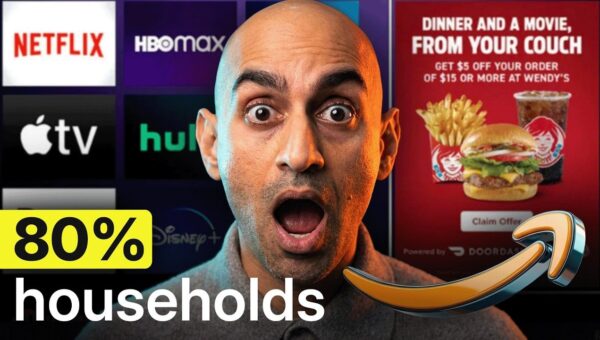
Amazon’s Streaming Ad Dominance: A New Era
Amazon's integration with Netflix, Spotify, and Roku signals a major power shift in advertising. Leveraging unparalleled purchase data, Amazon's DSP offers sophisticated targeting, closing the loop from ad impression to sale and ushering in a new era of shoppable streaming.

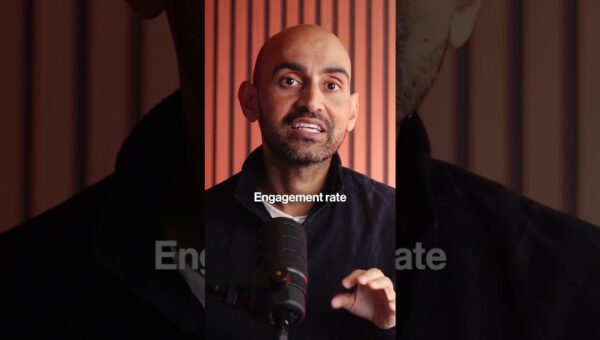
Micro-Influencers Outperform Celebrities for ROI
A new analysis of 2,88 influencer campaigns reveals micro-influencers (10k-100k followers) deliver the highest ROI, significantly outperforming celebrities. This data suggests follower count is a poor predictor of success, with engagement and trust being key drivers. Brands can activate 100 micro-influencers for the cost of one celebrity, signaling a strategic shift towards targeted, authentic marketing.

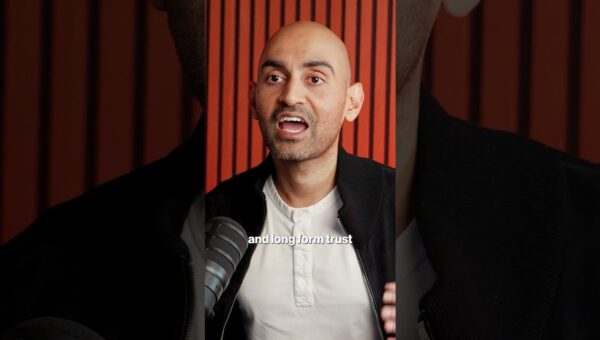
Attention Fragmentation: The New Marketing Imperative
The modern audience's attention is fragmented across numerous platforms, demanding an omnichannel content strategy. Businesses must create content once and distribute it across various channels like YouTube, short-form video, blogs, email, and podcasts to build trust and reach.