Inflation’s Hidden Cost: Why Your Wallet Shrinks Despite Lower Rates
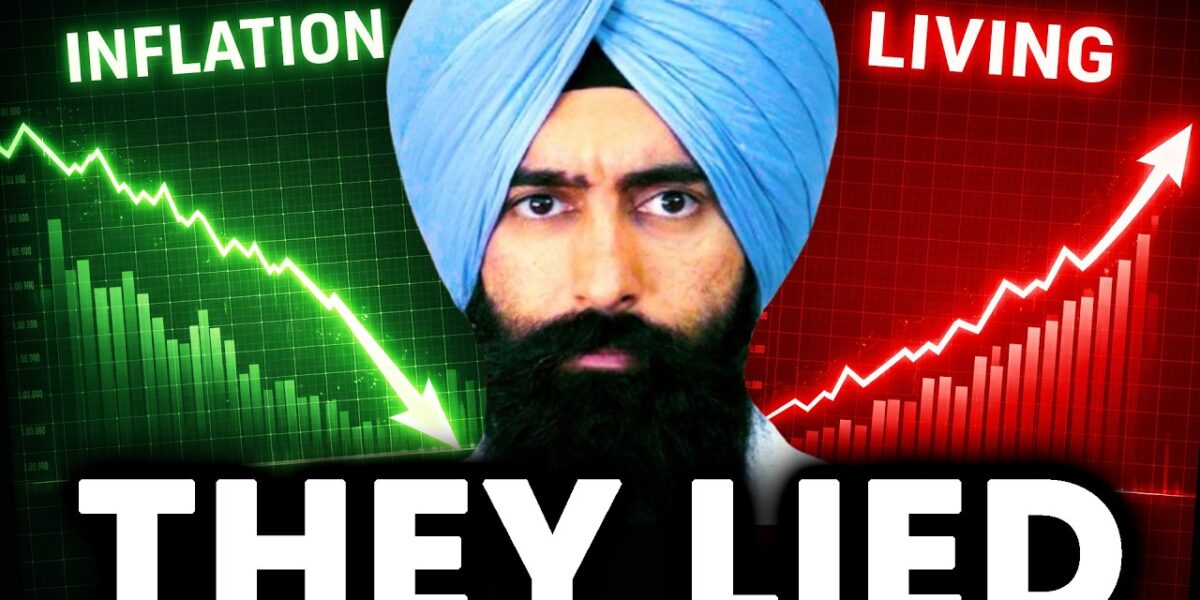
Official inflation rates may be falling, but the compounding effect of price increases means consumers are effectively getting poorer. Persistent inflation outpaces wage growth, eroding purchasing power and making cash savings a losing proposition. Investors are better positioned to benefit, highlighting the need for strategic asset allocation.

Inflation’s Grip: More Than Just a Number
While official inflation figures may suggest a cooling economy, with reported rates falling to around 3% in 2026 from a peak of 9.1% in 2022, a closer examination reveals a persistent erosion of purchasing power for the average consumer. The narrative that inflation has been conquered is challenged by the reality that prices are still rising, albeit at a slower pace. This phenomenon, often misunderstood, stems from the compounding nature of inflation and its uneven impact across different economic segments.
Understanding Compounding Inflation
The core misunderstanding lies in the interpretation of inflation rates. A reported inflation rate of 3% does not signify a decrease in prices, but rather a deceleration in the rate of price increases. This means that the cost of goods and services continues to climb, each year building upon the price hikes of the previous ones. For instance, a 3% inflation rate in 2026 is applied on top of the price increases from 2025, 2024, 2023, and 2022. This cumulative effect means that while the speed of price increases has slowed, the overall cost of living has significantly outpaced wage growth over the long term.
Historical Disconnect: Wages vs. Asset Prices
The Federal Reserve’s long-standing inflation target of 2%, while seemingly aimed at price stability, has historically benefited asset owners. This policy, designed to encourage spending and investment, has led to a significant divergence between the growth of asset prices and wage increases over decades. Data from 1971 to 2021 illustrates this disparity: median incomes grew by approximately 600%, while the price of a new car rose by 800%, a new home by 1,200%, and the cost of college education by a staggering 2,000%. This widening gap highlights how inflation, while perhaps managed by central banks, has disproportionately favored those holding assets over wage earners.
Post-Pandemic Strain: Inflation Outpacing Wages
The period between 2020 and 2025 saw a particularly acute acceleration of this trend. Consumer Price Index (CPI) data indicated a price increase of approximately 23.5% over these five years, while reported wage growth stood at around 21.8%. This means that, on average, inflation has outpaced income growth in recent years, further diminishing the real value of earnings for many individuals.
CPI Limitations and Perceived Inflation
The Consumer Price Index (CPI), the primary measure of inflation in the United States, is calculated by tracking the prices of a broad basket of goods and services. However, the composition of this basket may not accurately reflect the spending habits of the average household. The CPI includes infrequent large purchases like vehicles and homes, while underrepresenting the cost of essential, frequently purchased items such as groceries, gasoline, health insurance, and rent. This discrepancy leads many consumers to perceive inflation as being higher than the official CPI figures suggest. A common rule of thumb posits that actual, felt inflation can be double the reported CPI, meaning a 3% official rate could translate to a 6% increase in the cost of living for many.
Market Impact: Consumer Behavior and Investment Strategies
Shifting Consumer Habits
The impact of this persistent cost-of-living increase is evident in consumer behavior. Record-high credit card debt suggests consumers are financing their lifestyles despite stagnant or declining real incomes. Furthermore, major retailers like Walmart, Target, and Kroger have reported a noticeable shift towards consumers opting for cheaper brands, indicating a widespread search for more affordable alternatives as prices continue to climb.
The Peril of Holding Cash
In this environment, holding cash, even in high-yield savings accounts offering 2.5% to 3% interest, is effectively a losing proposition. After accounting for taxes on interest earned and the continued rise in the cost of living, the real return on savings is often negative. This underscores the importance of financial education and strategic investment to preserve and grow wealth.
The Investor’s Advantage
Historically, inflation has disproportionately benefited investors. As prices rise, businesses collect more revenue, leading to increased profits, which in turn are often passed on to shareholders. The investor, by owning a stake in these businesses through stocks or real estate, benefits from this profit growth. Conversely, individuals relying solely on wages find their purchasing power diminished as they pay higher prices for goods and services.
What Investors Should Know
Asset Allocation in an Inflated Economy
The traditional advice to save diligently needs to be re-evaluated in the context of persistent inflation. While emergency funds and short-term savings are crucial, long-term wealth preservation and growth necessitate investment. Asset classes that have historically outperformed inflation include stocks and real estate. While starting a business offers significant potential, it involves higher risk and active management. Gold can serve as a hedge against currency devaluation, offering a protective element within a diversified portfolio.
Building a Resilient Portfolio
A diversified investment portfolio, potentially including stocks, real estate, and a small allocation to gold for its hedging properties, is essential. The current economic climate, characterized by potential government spending and interest rate policies, suggests that inflationary pressures may persist. Understanding that inflation benefits asset owners while penalizing wage earners is key to navigating these market conditions effectively.
The Imperative of Financial Literacy
The disconnect between reported inflation and the lived experience of consumers highlights a critical need for enhanced financial literacy. Without a proper understanding of how inflation erodes savings and the mechanisms through which wealth can be preserved and grown, individuals risk falling further behind. The focus must shift from merely earning a salary to actively investing and managing one’s financial future to combat the relentless rise in the cost of living.
Source: Inflation Isn’t Going Down — People Are Just Getting Poorer (YouTube)

Related Articles


Russia’s Hidden Debt Crisis: A Silent Drain on Citizens
Russia is reportedly accumulating significant debt through complex financial schemes, which critics argue are subtly draining resources from its citizens. The government's reliance on borrowing, coupled with inflation and rising interest rates, is placing a growing burden on ordinary Russians.

Iran Strait of Hormuz Blockade Threatens Global Oil Prices
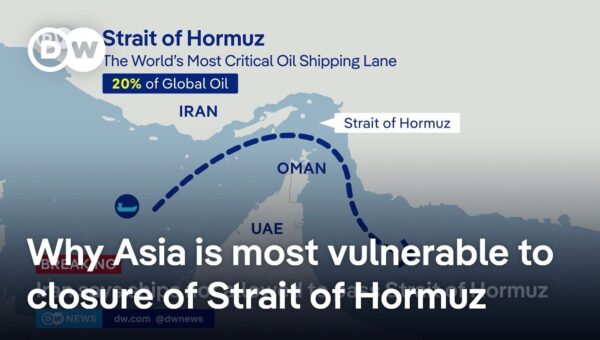
Iran's Revolutionary Guard has issued warnings against ships passing through the Strait of Hormuz, a critical global oil chokepoint. This potential blockade threatens to disrupt 20% of the world's crude oil flow, potentially spiking energy prices and fueling global inflation. Experts warn of significant market reactions and widespread economic consequences.


Shrinkflation and Greedflation: Why Your Goods Cost More
Consumers are increasingly facing smaller products at higher prices due to shrinkflation and greedflation. This article explores the tactics companies use, their impact on consumers, and potential regulatory and consumer-led solutions.