Inflation’s Grip: Why Everyday Costs Are Soaring
Everyday costs, from Netflix subscriptions to housing, have seen dramatic price increases due to the continuous 'printing' of money. This practice devalues currency, eroding purchasing power and disproportionately affecting the average consumer. Experts note that these cumulative 'little things' significantly alter the economic landscape over time.


The Unseen Hand: How Money Printing Fuels Price Hikes
In recent years, consumers have witnessed a stark increase in the prices of everyday goods and services, from fast-casual dining to streaming subscriptions and even housing. This phenomenon, often attributed to inflation, has a root cause that many overlook: the continuous printing of money by governments and central banks. This practice, while seemingly a solution to economic woes, ultimately devalues currency, leading to the erosion of purchasing power and a tangible rise in the cost of living for the average individual.
From $7 to $15: The Netflix Price Surge Explained
Consider the subscription-based entertainment industry, a sector that has become integral to modern life. Netflix, once a pioneer offering a budget-friendly streaming option, has seen its subscription prices more than double over the past decade. A service that once cost around $7 per month has ballooned to approximately $15, a significant jump that impacts household budgets. This is not an isolated incident but a microcosm of a broader economic trend affecting various sectors.
Beyond Streaming: A Wider Economic Shift
The dramatic increase in prices is not confined to digital services. The cost of dining out has also seen substantial hikes. A meal at a popular fast-casual chain like Chipotle, which might have cost around $8 a decade ago, now frequently exceeds $12. This illustrates how the inflationary pressure affects even the most routine expenditures. The cumulative effect of these seemingly small, incremental price increases over time can be substantial, leading consumers to question the drastic shift in their financial landscape.
The Housing Market: A Million-Dollar Turnaround
Perhaps the most striking example of this inflationary trend is the real estate market. Homes that were once affordable, listed at prices like $250,000, are now commanding prices in the millions. This astronomical rise in housing costs is a direct consequence of the devaluation of the dollar. When more money is injected into the economy without a corresponding increase in the production of goods and services, the value of each dollar diminishes, forcing prices to rise to reflect this new reality.
The Underlying Mechanism: Devaluing Currency
The core driver behind these escalating costs is the practice of what is often termed ‘printing money.’ Central banks, in an effort to stimulate economies, manage debt, or respond to crises, increase the money supply. While this can provide short-term relief or stimulus, the long-term consequence is inflation. More money chasing the same amount of goods and services inevitably leads to higher prices. This process effectively erodes the value of existing currency, meaning that more dollars are needed to purchase the same items that were available at a lower price point previously.
The ‘Little Things’ Add Up
The impact of inflation is often felt most acutely through the accumulation of small, everyday price increases. These incremental changes, such as a dollar here or a few dollars there on groceries, dining, or entertainment, might seem insignificant in isolation. However, when viewed over a period of years, their collective impact becomes undeniable. A retrospective look at prices from ten years ago reveals a starkly different economic reality, highlighting how the gradual devaluing of currency has reshaped affordability.
The Cost to the Average Person
The primary beneficiaries of increased money supply are often governments and large institutions that can leverage newly created capital before its inflationary effects fully permeate the economy. Conversely, the average person, whose income may not keep pace with the rate of inflation, bears the brunt of these price increases. Their savings lose purchasing power, and their ability to afford essential goods and services diminishes. This creates a widening gap between the wealthy and the working class, exacerbating economic inequality.
Looking Ahead: Navigating an Inflated Economy
As the trend of increased money supply and subsequent inflation continues, consumers will need to remain vigilant. Understanding the underlying economic forces at play is crucial for making informed financial decisions. Monitoring price trends across various sectors and adapting spending habits will be key to navigating an economy where the cost of living continues to rise. The challenge lies in finding strategies to protect purchasing power in an era of persistent inflation.
Source: Why Netflix Prices SKYROCKETED! (YouTube)

Related Articles


Russia’s Hidden Debt Crisis: A Silent Drain on Citizens
Russia is reportedly accumulating significant debt through complex financial schemes, which critics argue are subtly draining resources from its citizens. The government's reliance on borrowing, coupled with inflation and rising interest rates, is placing a growing burden on ordinary Russians.

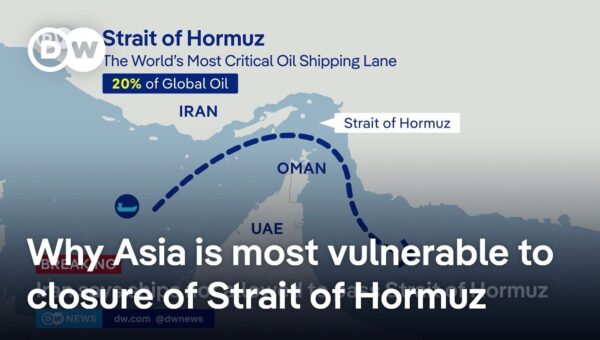
Iran Strait of Hormuz Blockade Threatens Global Oil Prices
Iran's Revolutionary Guard has issued warnings against ships passing through the Strait of Hormuz, a critical global oil chokepoint. This potential blockade threatens to disrupt 20% of the world's crude oil flow, potentially spiking energy prices and fueling global inflation. Experts warn of significant market reactions and widespread economic consequences.


Shrinkflation and Greedflation: Why Your Goods Cost More
Consumers are increasingly facing smaller products at higher prices due to shrinkflation and greedflation. This article explores the tactics companies use, their impact on consumers, and potential regulatory and consumer-led solutions.