India’s Trans Community Loses Self-Identification Rights
India's transgender community has lost its right to self-identification following the enactment of a new law. The legislation removes protections for gender queer identities and mandates doctors to report gender-affirming procedures. This has led to widespread fear, anger, and despair among transgender individuals.


India Revokes Transgender Self-Identification Rights
New Delhi – A recent law in India has removed the transgender community’s right to self-identification, sparking widespread fear and anger. The legislation, which came into effect recently, has been criticized for rolling back protections and creating new barriers for transgender individuals seeking legal recognition. This change significantly impacts how transgender people are recognized by the state and could lead to increased discrimination.
The Impact of the New Law
The law essentially erases gender queer as a recognized identity, a term that had offered a lifeline to non-binary individuals. Previously, India had passed an act that recognized transgender people and included gender queer identities. For many, this was a huge step forward. However, the new law has taken this recognition away. This means that non-binary individuals, whose gender identity falls outside the male-female binary, now face even greater struggles in being understood and accepted.
“This act or this law has essentially stolen that from us.”
The new legislation also introduces a mandatory reporting requirement for doctors. Any doctor providing gender-affirming medical procedures must now inform the District Magistrate. This official is the one who grants the transgender identity card. Many in the community question why their private medical decisions need to be shared with government authorities. It raises concerns about privacy and potential misuse of personal information.
A Rise in Fear and Despair
Activists report a surge in calls from individuals experiencing severe distress. People are crying, feeling hopeless, and considering self-harm. They are confused about their legal status and unsure where to turn for help. The atmosphere is filled with fear, anger, and deep hurt. This emotional toll highlights the profound negative impact the law is having on the mental well-being of the transgender community.
One individual shared, “I attend maybe six calls a day of people crying, wanting to kill themselves, not knowing what to do, wanting to rush to the courts.” This statement underscores the urgent crisis the community is facing.
Concerns Over Conversion Therapy
The law also raises alarms about the potential for renewed attempts at conversion therapy. In the past, activists have intervened when young transgender people faced violent family reactions. Some families even tried to file complaints against activists, accusing them of manipulating their children. The new law, by potentially making it easier for authorities to interfere, could inadvertently support such harmful practices.
“Every time I help a young person understand whether they are trans or not trans… I can go to jail for that,” an activist stated, illustrating the risks involved in supporting transgender youth. This fear of legal repercussions could silence vital support networks.
The Fight for Rights Continues
Despite the setbacks, the transgender community and their allies are determined to fight back. They emphasize that they have always been present and will not be erased. The fight is not just for legal recognition but for basic human dignity and the right to self-determination. Many feel they have no choice but to resist these discriminatory measures.
“As marginalized peoples, we have no other option but to fight.”
The community is rallying together, drawing strength from their collective experience and shared struggle. They are resolved to challenge the law and reclaim their rights. The belief is that this is a temporary setback and that their rights will eventually be restored, one way or another.
Looking Ahead
The immediate future will likely see legal challenges and increased advocacy efforts aimed at overturning the new law. Activists will continue to raise awareness both within India and internationally. The focus will be on demanding the restoration of self-identification rights and ensuring the safety and well-being of the transgender community. The world will be watching to see how India addresses these critical human rights concerns.
Source: India’s trans community no longer has the right to self-identification | DW News (YouTube)

Related Articles

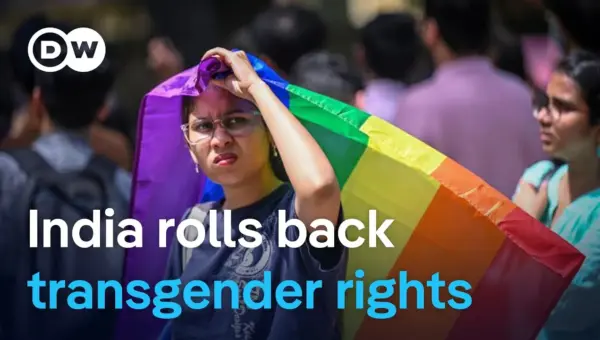
India Scales Back Transgender Rights, Sparking Widespread Protests
India has rolled back transgender rights with a new law requiring government permission for self-identification and medical treatment, sparking widespread protests. Activists argue the legislation reverses progress, excludes many, and risks criminalizing support networks, while rights groups challenge its constitutionality in court.

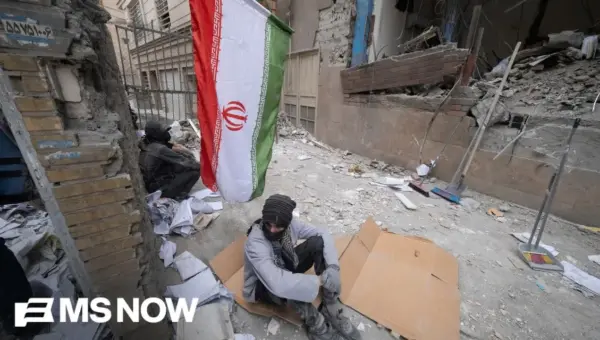
Iran’s Bold Stance: Regime Feels Empowered Amidst Negotiations
Iran appears emboldened on the international stage, presenting maximalist demands ahead of negotiations and maintaining control over the Strait of Hormuz. The regime's strategy, viewed as a victory by supporters, contrasts sharply with the silenced dissent of the majority of the Iranian population who face a grim reality of suppressed freedoms.


Sweden’s Child Services Seize Kids Over Faith, Court Says No
A Swedish custody case involving a Christian family has raised serious questions about parental rights and religious freedom after their daughters were taken into state care. The European Court of Human Rights rejected the family's appeal, sparking concerns over potential overreach by child protection services.