India Resumes Iran Oil Trade Amid Ceasefire, Navigates Global Tensions
India has resumed oil imports from Iran following a two-week ceasefire announcement, a move aimed at securing its energy supply. The critical Strait of Hormuz waterway's closure had severely impacted India's imports, prompting a diversification strategy. India is also strengthening energy ties with Russia while maintaining a delicate diplomatic balance with global powers.

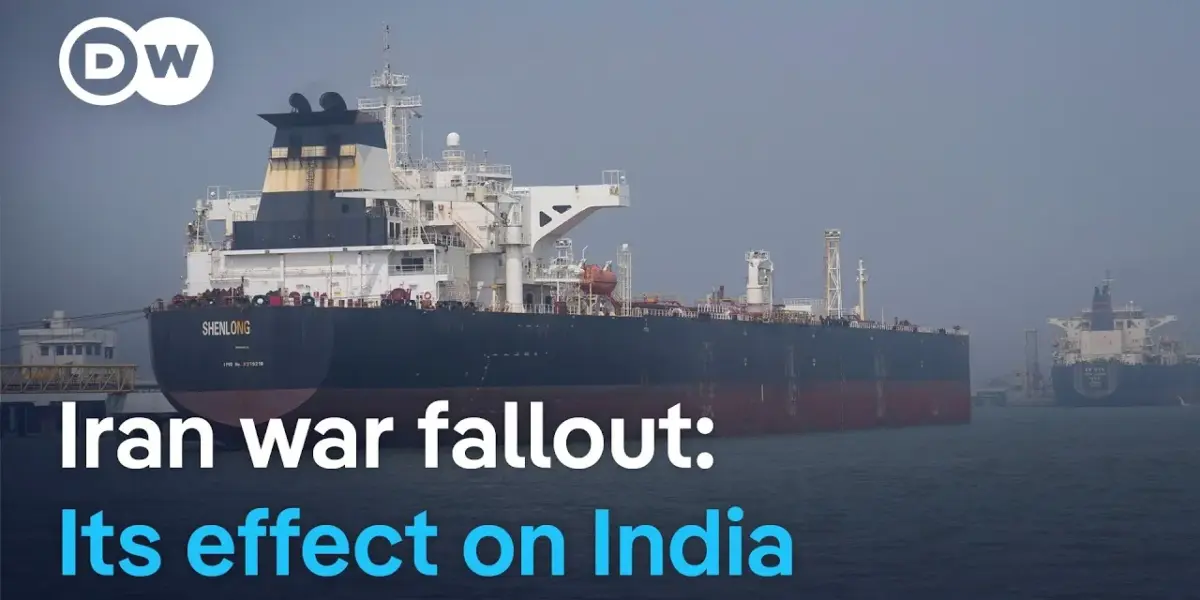
India Resumes Iran Oil Trade After Ceasefire Announcement
India has officially resumed energy trade with Iran, announcing its first purchase of Iranian crude oil since 2019. This move comes shortly after a two-week ceasefire was declared in the ongoing conflict involving Iran. India had previously called for the unimpeded flow of trade through the vital Strait of Hormuz, a waterway critical to its energy imports.
Strait of Hormuz Blockade Severely Impacted India’s Energy Supply
The closure of the Strait of Hormuz had a significant impact on India’s energy sector. Approximately 50% of India’s crude oil and most of its liquefied petroleum gas (LPG) pass through this crucial waterway. The blockade forced India to scramble to find alternative energy sources, leading the nation to import from over 40 countries. This diversification effort highlights the vulnerability of relying on a single trade route.
Diversifying Energy Sources and Strengthening Ties
Beyond resuming trade with Iran, India is also expanding its energy partnerships with Russia. The country is currently in talks to restart liquefied natural gas (LNG) imports from Russia, a development not seen since the start of the Ukraine war. This dual approach of re-engaging with Iran and deepening ties with Russia underscores India’s strategic efforts to ensure energy security amidst global instability.
Geopolitical Calculations and Diaspora Security
Ray Gwami, a non-resident fellow at the Observer Research Foundation, explained how the conflict has reshaped India’s geopolitical thinking. “The global reverberations from the streets of Hormuz and amid the Iran war have certainly been felt in India too,” Gwami stated. He noted that beyond energy, the security of the Indian diaspora in the Gulf states is a primary concern. With 9 to 10 million Indian citizens living in the region, ensuring their safety is a top priority for the Indian government. “India certainly has skin in the game given the fact that three citizens have already been killed in stray projectile firing,” he added, referencing comments made by India’s Foreign Secretary Vikram Misri.
A Balancing Act: India’s Neutral Stance
India has adopted a careful balancing act, avoiding taking a definitive side in the conflict. Instead, the nation has focused on its own strategic interests: energy security and the safety of its citizens. “India’s primary objectives within this war are as follows. One ensuring its own energy security and B ensuring the security of its own citizens,” Gwami explained. India has maintained relations with all parties involved, including the U.S., Israel, Iran, and Gulf Cooperation Council (GCC) states. The goal has been to use these relationships to encourage de-escalation and a peaceful resolution.
Navigating U.S. Pressure and Bilateral Engagements
During the conflict, the U.S. had urged India to join the Hormuz Naval Coalition to secure energy passage. However, India opted for a different path, choosing to engage directly with Iran. This bilateral approach aimed to secure its own shipping routes independently of U.S. or Israeli influence. “India on the other hand has chosen instead to engage Iran bilaterally and independently of US or Israeli influence in order to ensure the safe passage of its ships,” Gwami said. India has also maintained dialogue with Israeli Prime Minister Benjamin Netanyahu and U.S. President Donald Trump, seeking to protect its energy interests.
Consistent Condemnation, Careful Diplomacy
While India has been vocal in condemning Iranian attacks on Arab states, its response to U.S. and Israeli strikes has been more nuanced. “India’s view on this has still been fairly even-handed,” Gwami noted. He pointed to instances where India expressed disapproval of U.S. and Israeli actions. For example, India’s Foreign Secretary signed a condolence register at the Iranian embassy following a U.S. strike. Simultaneously, Prime Minister Narendra Modi spoke with Iranian President Hassan Rouhani, condemning attacks on Iranian infrastructure. This diplomatic maneuvering aims to preserve relationships with all involved parties.
India-Russia Energy Ties Remain Strong
Despite past U.S. pressure, India’s energy relationship with Russia remains robust. “India’s relationship with Russia, particularly in the energy sector, stretches back years, decades,” Gwami stated. India has continued to increase its purchases of Russian oil, especially since Russia’s invasion of Ukraine in 2022. This trend has persisted even with potential U.S. objections. The recent visit of Russia’s First Deputy Prime Minister to India for high-level meetings signals the ongoing strength and deepening of this energy partnership.
Public Opinion Favors Peace and Stable Prices
For the average Indian citizen, the primary concern regarding the conflict is its impact on daily life. “Indians in particular essentially want the war to end,” Gwami observed. “Ultimately, at the end of the day within India, it’s all got to do with, you know, the prices of your electricity bill or the, you know, what you pay for a certain meal within a restaurant.” The recent ceasefire has been welcomed, as it has begun to stabilize energy prices. The desire for a durable peace is strong, reflecting the direct link between international conflicts and domestic economic well-being.
Looking Ahead: Durable Peace and Economic Stability
With the current ceasefire in place, India will be closely watching to see if it holds and leads to a more lasting peace. The nation’s focus will remain on securing its energy needs and protecting its citizens abroad. Continued diplomatic engagement with all parties involved will be crucial. Furthermore, the stability of global energy markets and their impact on India’s economy will be a key indicator to monitor in the coming months.
Source: India resumes energy trade with Iran | DW News (YouTube)

Related Articles

US Navy Clears Strait of Hormuz Mines Amid Tensions
The U.S. Navy has begun clearing sea mines in the Strait of Hormuz, a crucial global shipping lane, as commercial traffic remains critically low. Experts warn that Iran potentially controlling the strait could set a dangerous precedent for global trade, leading to a "free-for-all" in vital waterways worldwide.


Middle East Must Lead Iran Response, US Steps Back
Radio host Glenn Beck argues that Middle Eastern nations, not the US, must take the lead in addressing regional security threats like Iran. He believes former President Trump's policies are reshaping global order, encouraging allies to become more self-reliant. This signals a potential shift away from traditional US global leadership.

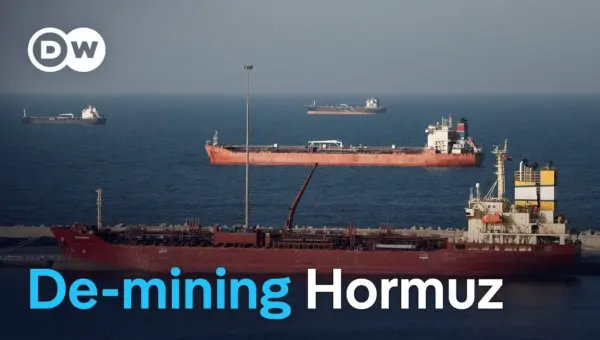
US Warships Clear Strait of Hormuz Amid Mine Threats
US warships are reportedly sweeping the Strait of Hormuz for mines amid escalating tensions with Iran. While the US claims progress, experts note a lack of dedicated mine-clearing vessels in the region and question the current mine threat. The situation's resolution may depend on ongoing peace negotiations.