India Counts 1.4 Billion: Census to Reshape Nation’s Future
India has launched its largest-ever national population count, aiming to accurately measure its over 1.4 billion people. The census, delayed by the pandemic, will use digital forms and mobilize millions of workers. Results are expected to reshape political representation and resource allocation, offering insights into urbanization, migration, and gender dynamics.

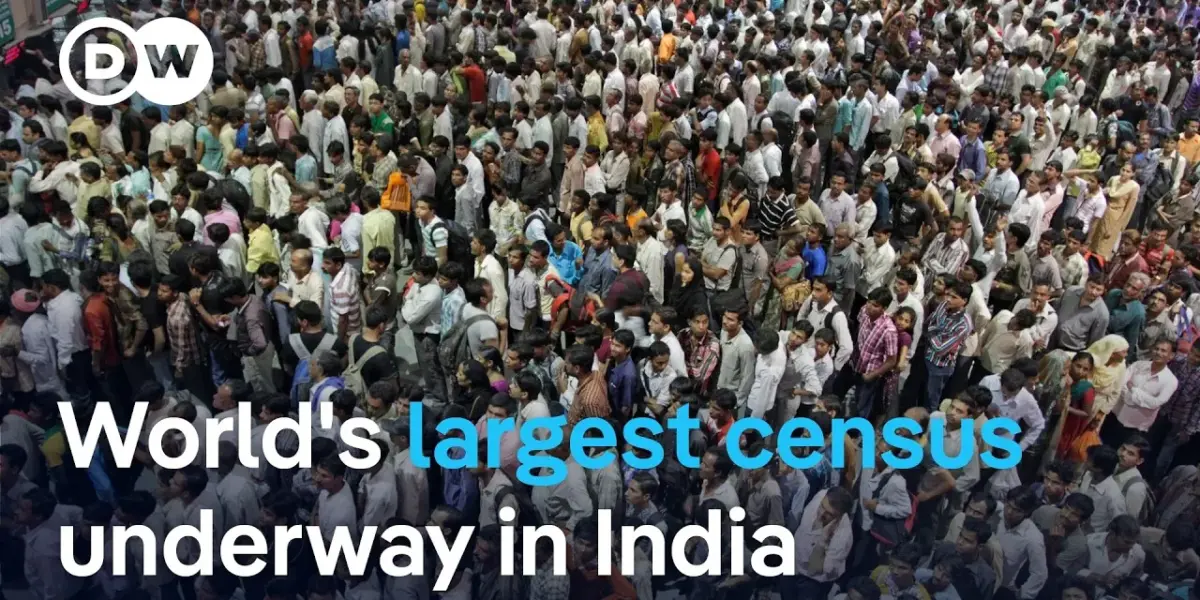
India Launches Massive National Population Count
India has officially begun its largest-ever national population count, a monumental task aimed at accurately measuring its vast and growing populace. The results of this census are expected to significantly influence political representation and resource allocation across the country. The last census in 2011 recorded India’s population at 1.21 billion people. Officials now estimate this number has surged past 1.4 billion. The current census, initially planned for 2021, was delayed due to the COVID-19 pandemic and complex logistical hurdles.
The Scale of the Challenge: Millions Mobilized
Undertaking a population count of this magnitude requires an immense operational effort. Millions of government workers, often local residents and familiar faces within their communities, will be tasked with visiting every household. These enumerators typically include school teachers and community health workers, many of whom are women. These dedicated individuals are crucial for ensuring accuracy and reaching even remote areas. One health worker, who participated in the 2011 census, shared her excitement about rejoining the effort for the current count, noting her familiarity with the process and the number of homes she needs to visit.
Digital Shift to Speed Up the Count
A key innovation in this year’s census is the shift to digital forms. This technological upgrade is expected to significantly speed up the data collection process compared to previous paper-based methods. The transition to digital tools aims to make the enumeration more efficient and streamline the analysis of the collected information.
Why Counting Matters: Policy and Planning
Understanding the exact population size and its characteristics is vital for effective governance. It’s not just about knowing the number of people, but also about understanding who they are. This data is critical for policymakers and economists to identify needs for social security, benefits, and essential services. Knowing where people live helps track the impact of economic growth and identify areas that may be lagging behind. The census also provides crucial insights into the well-being of marginalized communities, including religious minorities and lower social classes, who have historically faced systemic barriers to development. This information helps assess their current situation and ensures their needs are addressed in national planning.
A Count for Representation and Resources
The census data directly impacts how political power is distributed. The number of seats each state holds in the national parliament, for example, is determined by its population. Accurate counts ensure fair representation. Furthermore, the allocation of government resources, from infrastructure development to social welfare programs, is guided by census findings. This ensures that resources are distributed equitably based on the actual needs of different regions and communities. The census also plays a role in planning essential services like healthcare, education, and urban development, making it a cornerstone of national planning.
Census Amidst Political Discussions
While the census is fundamentally a tool for planning, it can sometimes become a politically sensitive issue. The delay in the current census was primarily due to the COVID-19 pandemic, which made large-scale fieldwork impossible in 2021. However, the current census includes a caste count, which is being conducted for the first time in decades. This aspect is particularly important for understanding the distributional effects of economic growth across different social groups. While some accommodations may be made for political considerations, experts emphasize the importance of keeping the census process as depoliticized as possible. Its core purpose is to provide objective data for the country’s development and resource management.
Potential Surprises in the Data
As India’s population continues to grow and change, the census results may reveal some surprising trends. One area to watch is the rate of urbanization. While projections suggested around 60-65% of the population would live in urban areas by 2030, the new census might show this figure has already been reached or even surpassed. Migration patterns are another area where surprises might emerge. Current data relies on patterns from 2011, and the new census will offer a more up-to-date picture of internal migration. Researchers are also keenly interested in the gender-specific data. They will be looking for evidence of how initiatives aimed at women-led development have translated into tangible changes in women’s lives, including their economic status, agency, and family planning decisions. The gender lens on this census is considered particularly critical.
Looking Ahead
The completion of India’s massive census count will provide invaluable data for years to come. The insights gained will shape policies, guide resource allocation, and influence political representation, impacting the lives of over 1.4 billion people. As the enumerators continue their work, the nation waits to see the demographic portrait that emerges from this critical exercise.
Source: How do you count 1.4 billion people? India takes on the challenge | DW News (YouTube)

Related Articles


Russia Faces Unfixable Societal Collapse
Russia's war in Ukraine has triggered a catastrophic demographic collapse, with the loss of over 1.3 million men. This deepens existing societal wounds and threatens the country's economic stability and future.


Demographics Shift: Homeownership Dreams Fade for Young Buyers
Young Americans face a steep climb to homeownership due to high prices and demographic shifts. As Baby Boomers age out of the market, demand remains, while the availability of capital for loans may decrease, potentially keeping financing costs high for first-time buyers.

Young Adults Shun Marriage, Threaten Future Prosperity
Young Americans are marrying and dating less, driven by high living costs and a fear of social judgment. This trend threatens future economic stability and societal well-being. Experts urge a re-evaluation of how relationships are fostered in modern society.