Independent Media Outlet ‘China Uncensored’ Faces Existential Threat Amidst Geopolitical Tensions and Digital Censorship
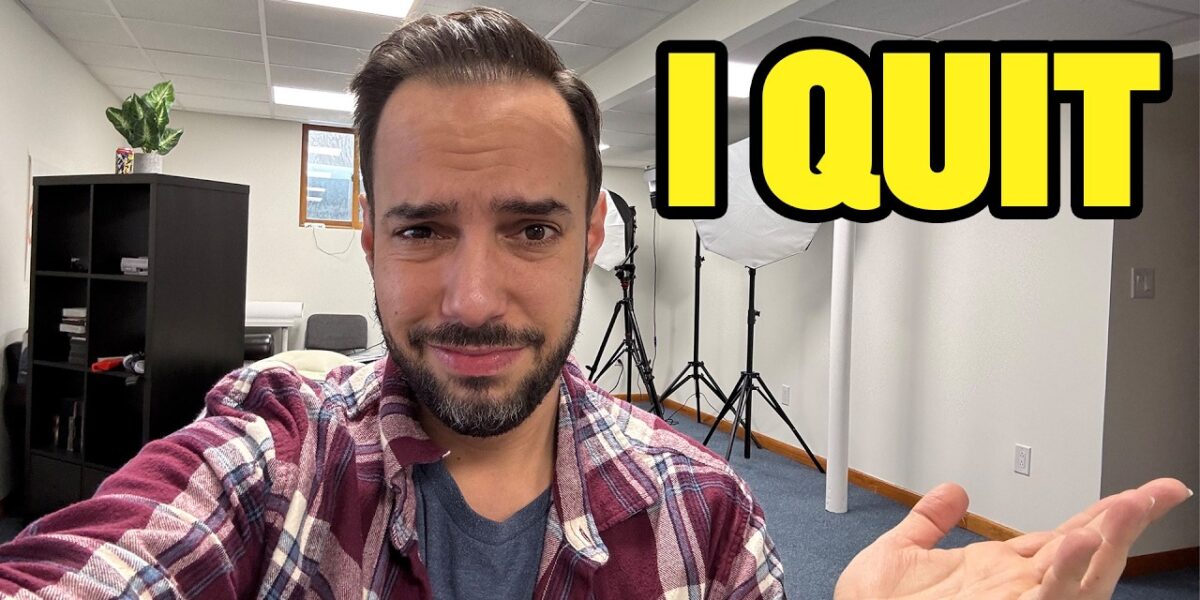
Independent media outlet 'China Uncensored' and its host, Chris Chappell, are facing an existential crisis, battling YouTube's algorithms, demonetization, and sponsor fears while covering critical geopolitical issues related to China. After contemplating quitting, Chappell was convinced of the show's vital future impact and is now appealing to his audience for direct financial support to secure its survival and continue its mission of informing the public about the Chinese Communist Party's global influence.

Independent Media Outlet ‘China Uncensored’ Faces Existential Threat Amidst Geopolitical Tensions and Digital Censorship
New York, NY – In an era of escalating global tensions and an increasingly complex information landscape, independent media outlets dedicated to scrutinizing authoritarian regimes often find themselves on the front lines, not just against state propaganda but also against the digital currents of algorithms and financial pressures. Such is the case for ‘China Uncensored,’ a prominent YouTube channel and news program led by journalist Chris Chappell, which recently revealed it is facing an existential crisis requiring urgent audience support to continue its mission.
Chappell, known for his incisive analysis of the Chinese Communist Party (CCP) and his distinctive style, shared a dramatic narrative outlining his own past doubts about the show’s impact and the significant challenges it now faces. The situation underscores the precarious position of independent voices attempting to provide critical perspectives on sensitive geopolitical issues.
The Premise: Facing the Void of Disillusionment
For nearly a decade, ‘China Uncensored’ has carved out a niche by offering in-depth, often critical, coverage of China, the CCP, and their global influence. However, Chappell recently confessed to a period of profound disillusionment, questioning whether his efforts to expose the truth were resonating with audiences. He described feeling as though he was “screaming into the void,” uncertain if his work was truly making a difference.
This sentiment, common among independent creators tackling complex and often unpopular truths, highlights a fundamental challenge: maintaining morale and motivation when direct feedback or tangible impact can feel elusive. Chappell’s initial inclination, he revealed, was to pivot away from geopolitical commentary to pursue a long-held creative dream, signaling a potential end to ‘China Uncensored.’
A Glimpse into the Future: Why the Fight Must Continue
The turning point for Chappell, as recounted in his recent broadcast, came through a narrative device involving a ‘future self’ from 2026. This future persona presented a stark and compelling argument for the show’s continuation, illustrating its unforeseen impact and prescience in covering critical global events years before they gained mainstream attention.
According to this ‘future’ perspective, ‘China Uncensored’ would go on to cover historic protests in Hong Kong multiple times, embark on an expedition to claim disputed territory in the South China Sea, witness pivotal presidential elections in Taiwan, and report from the strategically significant island of Jinmen, mere miles from mainland China. The show would also be instrumental in exposing CCP influence operations in countries like Australia and New Zealand, and notably, Chappell would even face a lifetime ban from the prestigious Waldorf Astoria for attempting to interview Chinese President Xi Jinping – a testament to the show’s persistent pursuit of challenging narratives.
Crucially, the ‘future self’ revealed that despite the initial doubts, ‘China Uncensored’ would amass over two million subscribers, forming a dedicated community that effectively acts as its own counter-narrative force. This future success, however, would come with its own set of intense battles, primarily against the unseen forces of digital platforms.
Navigating Digital Battlegrounds: The Algorithm and Censorship
The narrative from 2026 underscored the increasingly complex challenges faced by independent media critical of authoritarian states in the digital realm. The show, along with other anti-CCP content creators, experienced unexplained and steep drops in YouTube views. This led to the launch of ‘Operation Honeypot,’ an initiative urging viewers to engage more deeply with content to combat perceived algorithmic suppression.
Despite initial successes, views mysteriously fell again. The program has contended with issues of ‘secret unsubscribes,’ notifications not reaching subscribers, and pervasive demonetization of its content. Furthermore, potential sponsors have reportedly pulled out due to fears of angering China, directly impacting the show’s financial viability. These pressures have forced Chappell and his team, including colleagues Matt and Shelley, to take repeated pay cuts to keep the show afloat. This struggle highlights a broader trend where platforms, whether intentionally or not, can inadvertently or directly impact the reach and sustainability of content deemed politically sensitive.
The challenges faced by ‘China Uncensored’ are not isolated incidents but reflect a growing concern among independent journalists globally about the influence of algorithms and the subtle forms of censorship that can stifle critical reporting, particularly concerning powerful state actors like the CCP.
China’s Expanding Global Footprint: A Prescient Lens
The ‘future’ revelations emphasized the show’s remarkable foresight, often covering issues years before they became mainstream news. Examples cited included China’s growing influence in Venezuela, Iran, the Arctic, and Canada. A specific instance highlighted was an episode discussing the potential loss of a crucial US military base in Diego Garcia if the UK were to cede the Chagos Islands to Mauritius – a topic that later gained traction at the highest levels of US government.
Perhaps most strikingly, Chappell’s past anxieties about China’s lax medical safety standards potentially unleashing a “super virus” leading to a worldwide pandemic were revealed to be chillingly prescient. While the article does not explicitly name the specific pandemic, the narrative strongly alludes to the global health crisis that has reshaped the world, reinforcing the critical importance of early warnings and independent analysis.
These examples underscore the central thesis of ‘China Uncensored’: understanding the CCP’s actions and ambitions is crucial for comprehending current and future global events. The show aims to equip its audience with knowledge that puts them “ahead of the curve” in understanding a rapidly changing world order.
The Stakes: Understanding the CCP Threat
Chappell emphasized the escalating geopolitical stakes, particularly concerning the relationship between the United States and China. He noted concerning statistics: almost half of Americans believe China is already more powerful than or will soon surpass the US, yet a majority believe their lives wouldn’t significantly change if this occurred. ‘China Uncensored’ argues that this perception is dangerously misguided.
The program’s core message is that an informed citizenry is the first line of defense against potential conflict. “If America can’t deter China, war is coming,” Chappell warned, asserting that “the first step in stopping that war is helping more people understand the threat of the Chinese Communist Party.” This perspective positions ‘China Uncensored’ not merely as an entertainment or news channel, but as a vital educational tool in a broader geopolitical struggle for influence and understanding.
A Call to Arms: The 50 Cent Army
To combat these multifaceted challenges and ensure its continued existence, ‘China Uncensored’ has launched an urgent appeal for direct audience support. Chappell is calling upon his viewers to join what he terms his “50 Cent Army,” a deliberate ironic nod to the CCP’s own online propagandists.
Currently, around 900 individuals have joined this initiative through the show’s website, chinauncensored.tv. However, Chappell states that a minimum of 3,000 consistent subscribers are needed to stabilize the show and mitigate the impact of YouTube’s algorithmic “shenanigans” and demonetization. This requires at least 2,100 new subscribers to step forward.
As an incentive, the first 200 new subscribers who opt for an annual premium plan will receive an exclusive, USA-made ‘Operation Honeypot’ mug. Furthermore, reaching the 3,000-subscriber goal will trigger the first-ever worldwide meeting of the ‘China Uncensored 50 Cent Army,’ to be held exclusively on their website.
Chappell’s impassioned plea underscores a critical juncture for independent media: “Big things are happening in the world. This is not the time to retreat. It’s the time to step up together.” The future of ‘China Uncensored,’ and by extension, a critical independent voice on China, now rests directly with its audience.
Conclusion: The Enduring Battle for Truth
The story of ‘China Uncensored’ is a microcosm of the broader struggle for truth and transparency in an increasingly interconnected and ideologically charged world. As geopolitical tensions rise and digital platforms become battlegrounds for narratives, the sustainability of independent voices like Chris Chappell’s becomes paramount. Their ability to shed light on complex issues, challenge dominant narratives, and prepare audiences for future challenges is a vital component of a healthy global information ecosystem. Whether ‘China Uncensored’ can overcome its current crisis will serve as a significant indicator of the resilience of independent media in the face of formidable state and digital pressures.
Source: I’m Quitting China Uncensored (YouTube)

Related Articles
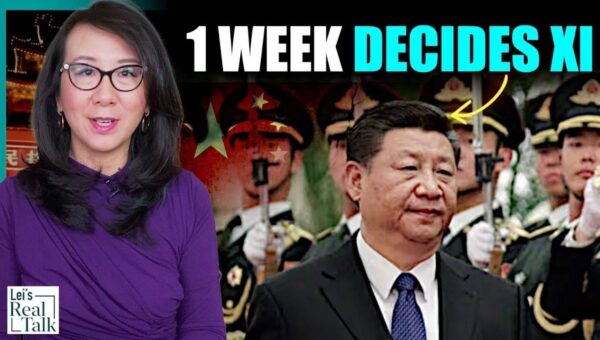
China’s Military Purges: Xi Jinping’s Grip Tested
Beijing is facing unprecedented tension as high-ranking military officials are reportedly arrested ahead of the CCP's crucial 'Two Sessions'. The lack of formal endorsements and procedural steps surrounding these purges raises questions about President Xi Jinping's control over the People's Liberation Army.

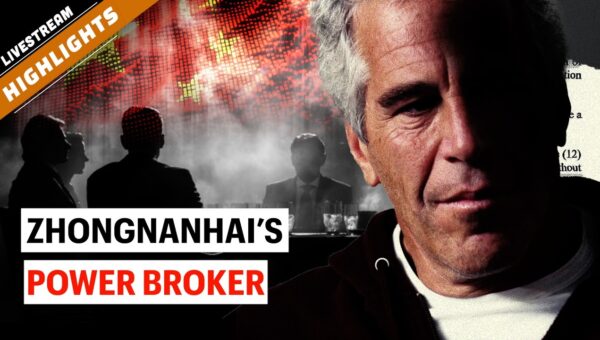
Epstein’s Secret Pipeline: Wall Street & Beijing’s Dark Alliance
Newly uncovered documents reveal Jeffrey Epstein's role as a secret intermediary between Wall Street elites and the CCP, facilitating a network of financial and political influence. The revelations detail how Epstein coached executives on navigating Chinese power structures and creating 'interest traps' for mutual gain.


China’s Economic Abyss: Local Governments ‘Eating Themselves Alive’ Amidst Unprecedented Fiscal Distress
China's local governments are reportedly resorting to desperate and unsustainable measures, including liquidating future assets and aggressively squeezing the private sector, to stave off financial collapse. This internal economic cannibalization, driven by plummeting revenues, mounting debt, and a lack of fiscal autonomy, risks exacerbating China's broader economic fragility and potentially unleashing a systemic crisis.