Immigration Debate Ignites Over Campus Killing
The detention hearing for Jose Medina, accused of murdering Loyola student Sheridan Gorman, has ignited a debate over immigration and mental capacity. Medina, an undocumented immigrant, will remain in custody. His defense cited head trauma and developmental delays, requesting jail time to prevent deportation and ensure due process.

Immigration Debate Ignites Over Campus Killing
A recent court hearing for Jose Medina, accused of murdering Loyola University student Sheridan Gorman, has brought immigration and mental capacity issues to the forefront of a national debate. Medina, a 25-year-old undocumented immigrant from Venezuela, faces charges in the March 19th shooting death of 18-year-old Gorman. The incident occurred as Gorman and friends walked near the Chicago campus.
Medina Held in Custody Amidst Legal Battle
During a detention hearing, a judge ruled that Medina will remain in police custody. Prosecutors argued he poses a danger to others and that evidence strongly suggests his guilt. They presented the case as a random act of violence, emphasizing that Medina and Gorman had no prior connection. Investigators used surveillance video, facial recognition, and evidence found at Medina’s apartment, including a gun believed to be used in the shooting, to build their case.
Defense Cites Mental Capacity and Past Trauma
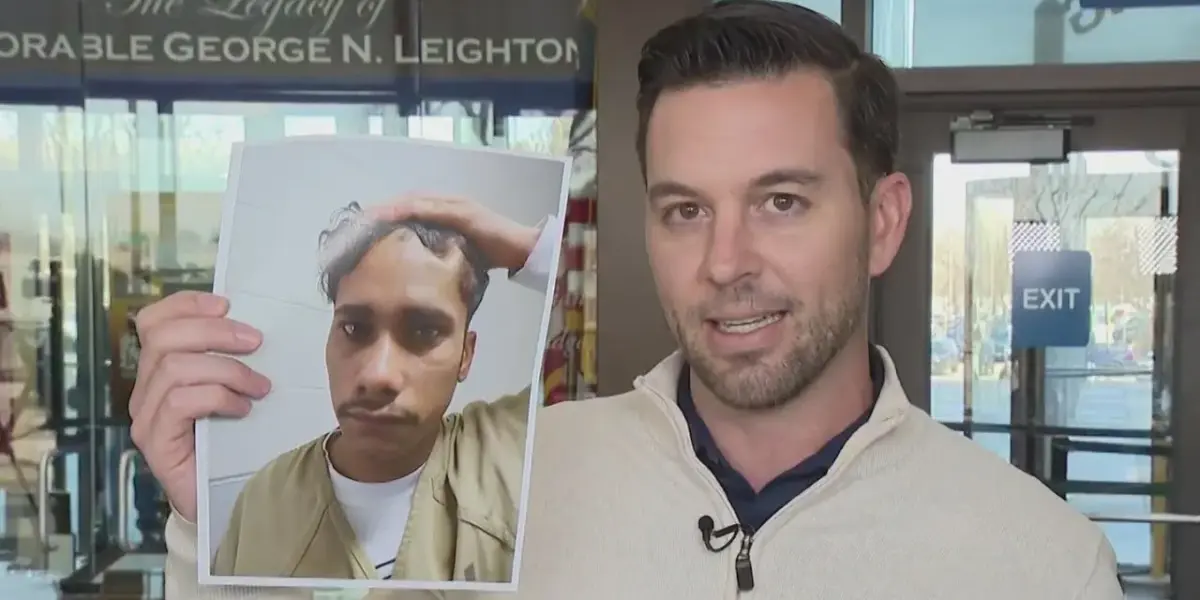
The defense team presented a different picture of Medina. They highlighted a significant head injury he sustained in South America from a gunshot wound, which resulted in missing skull portions and bullet fragments in his brain. Additionally, they stated Medina has the schooling level of a 7-year-old, cannot read or write, and possesses developmental delays affecting his judgment. These factors, they argued, contribute to his current state.
Unusual Request: Jail to Prevent Deportation
In a surprising move, the defense did not ask for Medina’s release. Instead, they requested he remain in the Cook County Jail. This request stems from a detainer issued by the Department of Homeland Security (DHS), seeking custody for potential deportation by Immigration and Customs Enforcement (ICE). The defense fears that deportation to Venezuela would deny Medina due process and his legal rights.
Gorman Family Demands Accountability, Not Politics
Sheridan Gorman’s family, though not present in court, appeared via Zoom. They expressed deep investment in the case of their daughter, a freshman at Loyola. The family has adamantly stated they do not want their daughter’s death to become a political issue. They issued a statement responding to Governor JB Pritzker’s comments about “real failures” leading to Gorman’s death. The family insists that any identified failures must be fully addressed, stating, “Our daughter is not a policy debate. She has a life that was taken and that demands accountability.”
Why This Reshapes the World Order
This case highlights a growing tension between national security concerns, immigration policies, and the rights of individuals accused of crimes. The defense’s strategy of using Medina’s alleged mental capacity and past trauma, combined with the plea to keep him in local custody to avoid federal deportation, creates a complex legal and political situation. It forces a difficult conversation about how societies treat undocumented immigrants accused of serious crimes, especially when questions of mental health and prior victimization arise. The incident also underscores the political polarization around immigration, with different levels of government potentially using such cases for their own agendas. The Gorman family’s plea for focus on justice rather than political maneuvering serves as a reminder of the human cost behind these broader debates.
Historical Context
The debate over the rights and status of undocumented immigrants in the justice system is not new. Throughout history, countries have grappled with how to manage populations without legal status, particularly when they are involved in criminal proceedings. Past policies and court rulings have shaped the current legal framework, often balancing public safety with humanitarian concerns and due process rights. This case echoes earlier discussions about sanctuary cities and the role of federal immigration authorities versus local law enforcement.
Economic and Social Factors
While not explicitly detailed in the transcript, the economic and social integration of immigrants, documented or otherwise, is a constant background factor. Issues like access to mental health services, employment opportunities, and social support systems can impact individuals’ lives and interactions within society. The defense’s mention of Medina’s developmental delays and past trauma touches on the need for adequate support systems, regardless of immigration status.
Future Scenarios
Several outcomes are possible. Medina could be found guilty and serve a sentence, potentially facing deportation after release. Alternatively, his defense might pursue a plea deal based on diminished capacity, leading to a different sentencing outcome. The political pressure surrounding immigration could also influence how federal and local authorities interact throughout the legal process. The Gorman family’s call for accountability will likely remain a central theme as the case progresses, regardless of the legal or political complexities.
Source: Man accused of Loyola student killing has childlike mental capacity: Attorney | NewsNation Live (YouTube)

Related Articles


House Republicans Reject DHS Funding Amid Border Dispute
House Republicans are preparing to reject a key Department of Homeland Security funding bill, accusing Senate Democrats of pushing a "radical agenda" to keep borders open and halt deportations. They plan to offer a "clean" resolution to fund DHS until May, aiming to prevent disruptions and ensure employees are paid, while Democrats are accused of using people as "pawns."


Immigrant Status Fuels Deportation Fight in Chicago Murder Case
A murder suspect from Venezuela, Jose Medina-Medina, accused of killing a Loyola student, is at the center of a legal battle. The U.S. government wants him deported, while Illinois wants him to face murder charges. This case highlights the complex intersection of immigration law and criminal justice.


Indonesia Mental Health Centers Accused of Abuse, Survivors Speak Out
Survivors of Indonesian mental health facilities are speaking out about horrific abuse, including torture, sexual assault, and neglect. Organizations investigating the claims have documented over 200 cases, highlighting a widespread problem in institutions meant for care. The accounts reveal a critical failure to protect the rights and dignity of vulnerable patients.