Illinois Town Pelleted by Massive Hailstones Amid Severe Storm
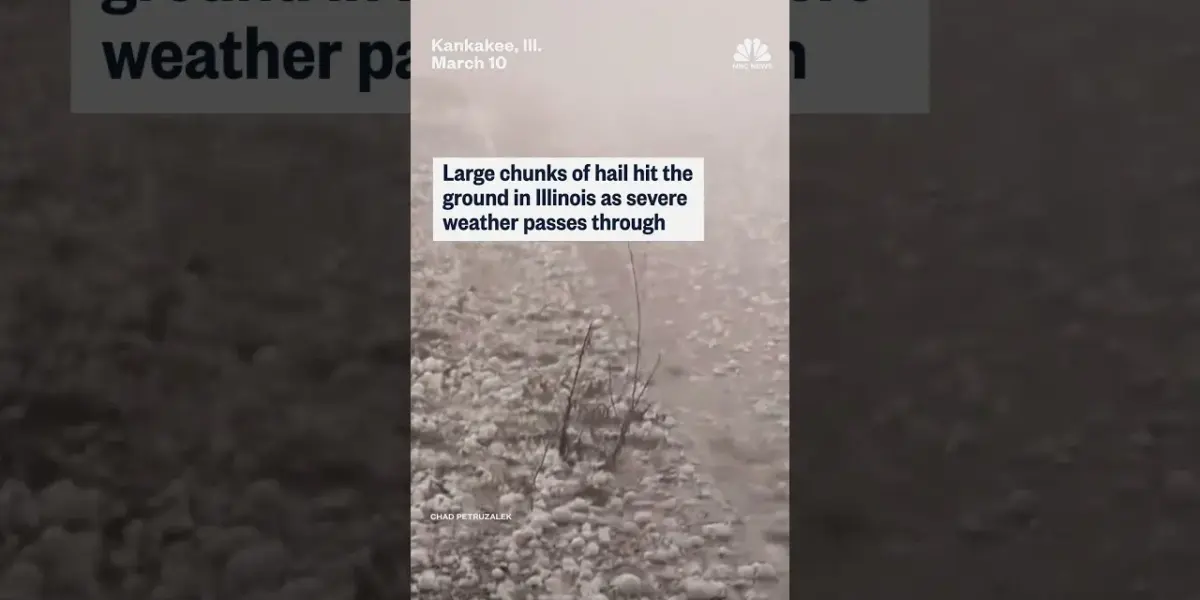
A severe thunderstorm unleashed a barrage of large hailstones across parts of Illinois, with video footage capturing chunks of ice pelting the ground. The dramatic event highlights the intensity of natural weather phenomena and the potential for significant property damage.

Illinois Town Pelleted by Massive Hailstones Amid Severe Storm
A severe thunderstorm unleashed a barrage of large hailstones across parts of Illinois on [Date of Storm – if known, otherwise omit or generalize], leaving residents stunned and streets littered with ice. The dramatic weather event, captured in viral video footage, showed chunks of hail, some reportedly the size of golf balls and even larger, impacting the ground with significant force.
The storm system moved through the region on [Day of the week, e.g., Tuesday], bringing with it intense winds, heavy rain, and the destructive hail. While specific locations within Illinois were more severely affected, the visual evidence from the video highlights the intensity of the storm’s impact. The footage depicts hailstones striking roads, vehicles, and other surfaces, creating a cacophony of noise and a startling display of nature’s power.
Eyewitness Accounts and Visual Evidence
The video, shared widely on social media and through news outlets, provides a visceral account of the hailstorm. Viewers can see the size and density of the hailstones as they fall, bouncing off pavement and accumulating in drifts in some areas. The sheer volume of ice hitting the ground suggests a powerful updraft within the storm cell, capable of lifting and freezing water droplets to form such substantial hailstones.
While the transcript did not include direct quotes from individuals experiencing the storm, the visual evidence itself serves as a powerful testimony. The video description notes the occurrence of “large chunks of hail” hitting the ground, a simple yet effective summary of the dramatic scene. This imagery is crucial for understanding the severity of the event and its potential impact on property and infrastructure.
Understanding Hail Formation and Severe Weather
Hail forms within thunderstorms when rising air currents, known as updrafts, carry water droplets high into the atmosphere. As these droplets ascend into sub-freezing temperatures, they freeze. They can then fall, collecting more supercooled water on their descent, which freezes to form layers. If the hailstone is caught in another strong updraft, it can be carried back up to higher altitudes, accumulating more layers before eventually becoming too heavy for the updraft to support and falling to the ground.
The size of hailstones is directly related to the strength of the updraft and the time the hail spends within the storm cloud. Larger hailstones, like those reported in Illinois, indicate powerful thunderstorms with significant atmospheric instability. Such storms are often associated with severe weather phenomena, including damaging winds, torrential rain, and even tornadoes.
Potential Impacts of Large Hail
Hailstorms, particularly those with large hailstones, can cause significant damage. Vehicles are susceptible to denting and broken windows, while homes can suffer damage to roofs, siding, and gutters. Crops can be decimated, leading to substantial economic losses for farmers. In some cases, large hail can even pose a risk to human and animal safety if encountered outdoors.
The accumulation of hail on roadways can also create hazardous driving conditions, increasing the risk of accidents. The sheer volume of ice can make travel difficult and potentially necessitate road closures until the hail melts or is cleared.
Broader Context: A Season of Severe Weather
This event in Illinois occurs within a broader context of active severe weather seasons experienced across parts of the United States. Meteorologists often point to a combination of factors, including atmospheric moisture, temperature contrasts, and jet stream patterns, that contribute to the formation of severe thunderstorms. Regions prone to severe weather often see cycles of intense storm activity.
Understanding the patterns and triggers for severe weather is crucial for public safety and preparedness. Early warning systems and informed public awareness campaigns play a vital role in mitigating the impact of such events. News organizations like NBC News provide essential coverage, helping the public understand not only what is happening but also why it matters, through fact-based reporting and analysis.
Looking Ahead
As weather patterns continue to evolve, residents in hail-prone areas are advised to stay informed about forecasts and heed any severe weather warnings issued by meteorological services. The frequency and intensity of such storms underscore the importance of preparedness, including securing property and having emergency plans in place. Future monitoring of weather systems will be key to anticipating and responding to similar events across the nation.
Source: Large chunks of hail hit the ground in Illinois (YouTube)

Related Articles

Tornado Outbreak Devastates Michigan, Oklahoma: Homes Destroyed, Fatalities Reported
A severe tornado outbreak has devastated parts of Michigan and Oklahoma, resulting in at least four fatalities and numerous injuries in Michigan. Homes and businesses have been destroyed, prompting a state of emergency declaration and a massive response effort.


Senator Murray Slams ‘Sickening’ Iran Strike, Demands Accountability
Senator Patty Murray expressed deep "sickness" over a deadly Iran strike, attributing it to outdated data and poor preparation. She demanded top-level accountability from the administration and criticized the lack of public debate and clear objectives for the ongoing war.


Ukraine Shares Drone War Secrets Amid Middle East Strikes
Ukraine has dispatched military experts to the Middle East to share crucial experience in combating Iranian-designed drones following a wave of regional attacks. Kyiv has long warned of the growing threat and Russian-Iranian cooperation, now offering its "irreplaceable" insights gained from years of conflict.