ICE Propaganda Campaign Aims to Rebrand Agency
A coordinated PR campaign is underway to rebrand ICE, using manufactured airport chaos and positive imagery to create a friendly public image. The strategy aims to normalize ICE's presence and potentially deploy them at polling stations for voter intimidation.

ICE Propaganda Campaign Aims to Rebrand Agency
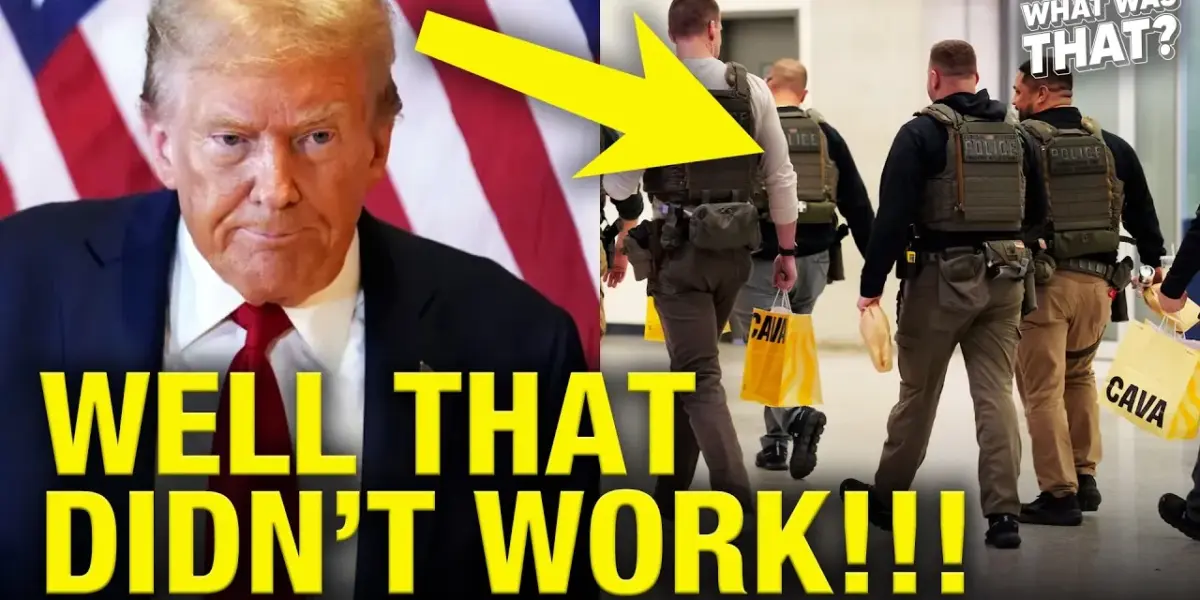
The White House and the Department of Homeland Security (DHS) appear to be running a coordinated public relations campaign. This campaign aims to change how Americans view the Immigration and Customs Enforcement (ICE) agency. The strategy uses manufactured crises and carefully crafted images to build a positive public perception.
A Manufactured Airport Crisis
The transcript points to a deliberate creation of chaos at airports. This chaos supposedly stems from underfunded and understaffed Transportation Security Administration (TSA) workers. The narrative suggests this situation is a choice, not an accident. While TSA employees struggle, ICE agents are reportedly being used for tasks beyond their usual duties. They are seen handing out water and helping travelers, seemingly taking on roles that blur the lines with TSA responsibilities.
“The money is there and the crisis is a choice because not only is ICE getting put up in hotels, but they’re getting overtime to play airport concierge.”
This tactic aligns with a plan, allegedly from Project 2025. The steps include weakening the TSA through underfunding and staffing cuts. The goal seems to be to make the agency appear ineffective, paving the way for privatization. Republican senators have even introduced legislation to abolish the TSA, contradicting claims of supporting TSA workers.
Rebranding ICE: From Raids to Rescues
A key part of this operation is to present ICE agents in a new light. Instead of focusing on enforcement actions like raids or arrests, the campaign highlights helpful interactions. ICE agents are shown handing out water, assisting travelers, and smiling for cameras. This is a stark contrast to past images of the agency.
The transcript notes that right-wing media outlets are playing a significant role. Reporters are positioned at airports to capture these positive interactions. This content is then amplified through official government channels. The White House and DHS share these images, calling ICE agents “patriots” and “heroes.” This creates a content pipeline, turning individual reports into official government messaging.
One notable example is a DHS video claiming an ICE agent saved an unresponsive infant at JFK airport. The transcript questions the details, noting the lack of independent video evidence and the agencies’ reluctance to provide more information. This incident, occurring shortly after a new DHS secretary took office, is presented as a convenient way to shift the agency’s public image.
The Underlying Goal: Normalization and Intimidation
The ultimate goal of this PR campaign is not just to make ICE look good. It is to normalize their presence in public spaces and make people comfortable with a group that has faced criticism for in-custody deaths and alleged misconduct. The transcript suggests this is a test run.
The strategy is to associate ICE with positive actions, like helping people or saving a child. This aims to reduce public alarm when ICE agents are deployed in other sensitive situations. The ultimate concern raised is the potential deployment of ICE agents at polling stations during elections. This is seen as a tactic for voter intimidation, rather than ensuring election integrity.
“ICE agents in airports is not the endgame. It’s a test run for placing them at polling stations in November.”
The argument is that by making ICE appear friendly and helpful, the administration hopes people will not react with fear or suspicion if they are later stationed at voting locations. This would allow for voter intimidation under the guise of preventing illegal voting, despite evidence suggesting such fraud is minimal.
Why This Matters
This analysis highlights a potential manipulation of public perception by government agencies. The use of manufactured crises and selective storytelling is concerning. It suggests a deliberate effort to control the narrative surrounding a powerful law enforcement body. The implications extend to how citizens trust information from government sources and media. If the goal is to normalize the presence of armed federal agents in new contexts, understanding the tactics used is crucial for maintaining democratic processes and civil liberties.
Historical Context and Trends
The use of propaganda by governments is not new. Throughout history, nations have employed various media to shape public opinion, especially during times of political or social change. In the digital age, the speed and reach of social media amplify these efforts. The current strategy appears to leverage this by creating shareable, emotionally resonant content. The focus on rebranding ICE follows years of increased scrutiny and criticism regarding immigration enforcement practices. This campaign seeks to counter that by emphasizing humanitarian aspects, however selectively.
Future Outlook
The success of this rebranding campaign could set a precedent for future government public relations efforts. If the tactic of creating a crisis and then offering a solution proves effective, it may be replicated. The potential deployment of ICE at polling stations, as suggested by some figures, remains a significant concern. It raises questions about the balance between border security, immigration enforcement, and the fundamental right to vote without intimidation. Continued public awareness and critical evaluation of government messaging will be essential.
Source: Trump Propaganda IMPLODES as SCHEME BACKFIRES (YouTube)

Related Articles

Miller’s Rage Hospitalizes ICE Chief: A White House Meltdown
Stephen Miller's aggressive tactics reportedly led to the hospitalization of ICE chief Todd Loins multiple times. This situation highlights intense pressure within the Trump administration and controversial ICE operations, sparking public protests and debate over executive authority.

President Orders Back Pay for TSA Amid Airport Chaos
President Trump signed an executive order to pay TSA employees after a partial government shutdown left them without pay for over a month. The move comes amid widespread airport delays and frustration during spring break travel. The order aims to provide immediate relief while underlying funding disputes continue.


Shutdown Squeezes Essential Workers, Threatens Security
TSA agents are working longer hours without pay during the U.S. government shutdown, forcing them to take on second jobs and seek financial relief. The shutdown creates significant stress for essential workers and raises concerns about national security and the government's ability to function.