ICE Deploys Agents to Airports Amid Shutdown
Amid a government shutdown, the Trump administration deployed ICE agents to U.S. airports to help TSA screeners, leading to mixed results and criticism. The move aims to ease long traveler delays but raises questions about agency roles and costs.


ICE Deploys Agents to Airports Amid Shutdown
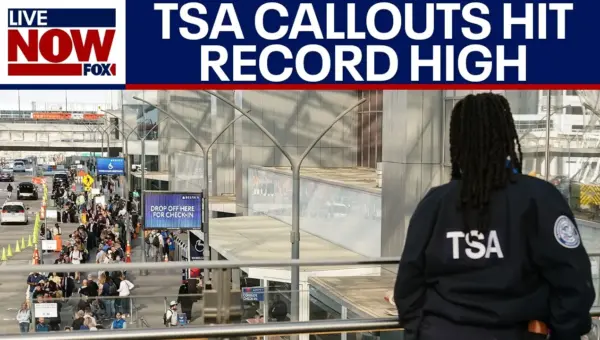
The U.S. is experiencing a partial government shutdown, now in its 39th day. This shutdown has caused major problems at airports across the country. Many Transportation Security Administration (TSA) officers are not showing up for work. They are protesting because they are not getting paid. This has led to very long lines for travelers. In response, the Trump administration has sent U.S. Immigration and Customs Enforcement (ICE) officers to help out at major airports.
ICE Agents Arrive at Airports
This plan to use ICE agents began two days ago. At New York’s LaGuardia Airport, hundreds of ICE agents were seen. They were at various terminals and baggage claim areas. Reports show ICE agents are also present at other New York airports, as well as in Houston, Chicago, Cleveland, New Orleans, Pittsburgh, Phoenix, and Fort Myers. President Trump stated that ICE and TSA have been working together well.
ICE’s Role and Limitations
President Trump directed hundreds of ICE agents to assist at 14 major airports. Their job is to help with tasks that do not involve security screening. This includes managing crowds, watching exit lanes, and providing support around the airport. The goal is to free up TSA screeners so they can focus on their main duties. It is important to note that ICE agents are not performing full security screenings. They are also not working at official immigration checkpoints.
Differing Views on the Deployment
Some law enforcement officials believe ICE’s presence at airports is not its main job. However, former Border Patrol Chief Tom Homan explained the purpose. He said the number one mission is to help TSA and speed up the flow of people. He described the long delays as a tragedy. He felt the ICE agents were there to help fill gaps caused by the TSA officer shortages. He compared it to a charitable act.
Criticism from Democrats and Others
Democrats have pushed back against this plan. They argue that ICE is not at airports to help TSA or shorten lines. They believe ICE is there to potentially arrest people who lack identification. California Governor Gavin Newsom criticized the move. He said sending ICE into airports proves the problem. He suggested ICE has become the President’s personal police force. He feels they are being used to push an agenda, not to enforce the law.
Traveler Frustration and Costs
Despite the ICE presence, long wait times continue at some major airports. Some travelers expressed frustration. One traveler noted that lines might be shorter today. However, they felt that funding TSA directly would be much cheaper. They pointed out the cost of sending ICE agents, putting them up in hotels, and other related expenses. NewsNation asked President Trump how long the ICE agents would remain at the airports. He indicated they would stay as long as needed.
Global Impact
While this situation primarily affects domestic travel within the United States, it highlights the broader challenges of government shutdowns. Such events can disrupt essential services and create public inconvenience. The use of federal law enforcement agencies for non-traditional roles can also raise questions about resource allocation and agency missions. This incident underscores the interconnectedness of government functions and their impact on daily life and international perceptions of a nation’s stability and efficiency.
Historical Context
Government shutdowns are not new in U.S. history. They occur when Congress and the President cannot agree on funding for government operations. Past shutdowns have affected various federal agencies and services. However, deploying immigration enforcement agents to assist with airport security screening is a less common response. It reflects a unique approach to managing the fallout from a prolonged funding dispute, linking border security and immigration enforcement with domestic transportation infrastructure.
Economic Considerations
The economic impact of long airport delays is significant. It affects not only individual travelers through lost time and potential missed connections but also the broader travel and tourism industries. The cost of deploying ICE agents, while intended to mitigate these economic losses, also represents an expenditure of taxpayer money. The debate over funding TSA versus using ICE highlights differing views on how best to allocate government resources efficiently and effectively to maintain critical infrastructure and services.
Future Scenarios
The duration of the ICE deployment at airports directly depends on the resolution of the government shutdown. If the shutdown ends quickly, ICE agents will likely return to their primary duties. If the shutdown continues, the administration might consider further steps, potentially including the use of National Guard personnel as previously mentioned by President Trump. Alternatively, a prolonged shutdown could lead to increased public pressure for a resolution, forcing a compromise between political factions. The effectiveness and public perception of using ICE in this manner could also influence future responses to similar crises.
Source: ICE continues to assist TSA at US airports | NewsNation Live (YouTube)

Related Articles

TSA Workers Get Paid After Record Absences
TSA agents will finally receive paychecks after working nearly six weeks without salary, following a directive from President Trump. Record high absences had strained airport operations and caused significant passenger delays. The situation has sparked calls for better protections for essential workers during government shutdowns.


House Republicans Reject Senate Deal, Sparking Government Funding Clash
House Republicans have rejected a Senate bill to end the government shutdown, citing insufficient border security measures. Congressman Randy Fine called the Senate deal a "disgrace" and highlighted the ongoing fight for full government funding. President Trump's executive order to pay TSA agents offers temporary relief, but the core disagreement over border security continues to paralyze Washington.

House Rejects Senate Bill, Citing Border Security Funding Gaps
House Republicans are rejecting a Senate funding bill, arguing it lacks essential appropriations for ICE and CBP, threatening anti-trafficking efforts and border security. They plan to pass a short-term measure to force renewed negotiations.