ICE Agents Fill TSA Roles Amid DHS Funding Freeze
Over 50,000 TSA officers are working without pay as the DHS shutdown hits day 39, causing major airport disruptions. In response, the Trump administration is deploying ICE agents to fill TSA roles, sparking debate over training and effectiveness. Negotiations continue in Washington to resolve the funding crisis.

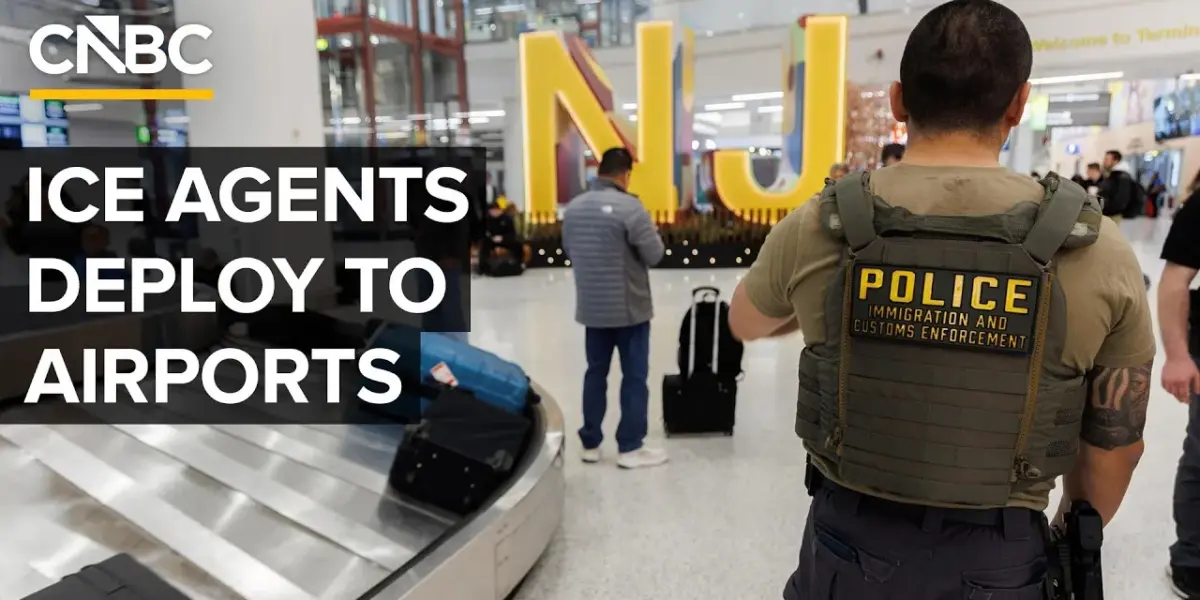
ICE Agents Deployed to Airports as DHS Shutdown Hits 39 Days
The U.S. Department of Homeland Security (DHS) faces a prolonged shutdown, now stretching over a month, with no clear end in sight. This funding freeze has significantly impacted the Transportation Security Administration (TSA), leaving more than 50,000 TSA officers working without regular paychecks for 39 days. The situation has led to considerable chaos at major U.S. airports, causing frustration for travelers and disruptions during busy periods like spring break.
Airport Chaos Escalates, Travelers Face Long Lines
The disruptions at airports have become severe. Some airports are now advising travelers to arrive as much as four hours before their flights, even for domestic journeys. This extended wait time creates a highly frustrating experience for passengers. The current travel disruptions are particularly problematic as they coincide with spring break, a peak travel season that generates significant revenue for airlines and hotels.
Trump Administration Sends ICE Agents to Assist TSA
In response to the TSA staffing shortages and growing airport delays, the Trump administration has begun deploying U.S. Immigration and Customs Enforcement (ICE) agents to work at airports. These ICE agents are intended to help manage security lines and ensure smoother passenger flow. Reports indicate their presence at major hubs including Newark and Atlanta, with sightings also noted in the New York City area.
Union Raises Concerns Over ICE Agent Training
The American Federation of Government Employees (AFGE), the union representing TSA officials, has voiced concerns. They argue that ICE agents are not trained to the same standards as TSA officers for specific duties like ID checks. This raises questions about the effectiveness and appropriateness of their role in TSA screening procedures. While some reports suggest ICE agents might be involved in ID checks, the union’s stance highlights potential issues with this deployment.
O’Hare Airport Reports ICE Presence in Baggage Areas
At Chicago’s O’Hare International Airport, ICE agents have reportedly been seen working exit lanes and even in baggage areas. This broad deployment underscores the extent of the staffing challenges faced by the TSA. A message from airport workers to Washington is clear: “Pay us. Stop holding us hostage.” This sentiment reflects the frustration of federal employees working without pay due to the ongoing shutdown.
Negotiations Continue Amidst Growing Pressure
Lawmakers have recently shown increased engagement in finding a resolution, especially as airport disruptions have become more pronounced. Senate Majority Leader Mitch McConnell has proposed a plan to fund the entire Department of Homeland Security, excluding ICE. Democrats, however, have presented their own list of demands related to ICE reforms. This indicates ongoing negotiations and differing priorities between parties regarding border security and immigration enforcement.
Potential Reforms and Leadership Changes
There have been signals of potential shifts within the administration’s approach. Former ICE Director Tom Homan has been involved in discussions, and President Trump’s nominee for DHS Secretary, Markwayne Mullin, has suggested an openness to requiring judicial warrants for targeted ICE operations. President Trump himself has expressed a desire for ICE agents at airports to be clearly visible, possibly indicating a strategy to reassure the public or project strength during the crisis.
Market Impact and Investor Outlook
The DHS shutdown and its impact on air travel create uncertainty, potentially affecting consumer confidence and travel-related industries like airlines and hospitality. While the direct financial impact on most investors may be minimal in the short term, prolonged disruptions could signal broader governmental instability. Investors should monitor the ongoing negotiations and any potential legislative outcomes. The situation highlights the interconnectedness of government funding, public services, and economic activity. The resolution of this shutdown could influence perceptions of government efficiency and its ability to manage critical infrastructure. The long-term implications depend on whether such funding disputes become a recurring issue, potentially impacting the stability of federal agencies and their workforce.
Source: Trump Deploys ICE Agents To U.S. Airports As DHS Shutdown Continues (YouTube)

Related Articles


Markets Tumble Amid Iran Tensions and Shutdown Gridlock
Wall Street experienced a significant slide today, with the Dow and Nasdaq entering correction territory, driven by escalating tensions with Iran and market uncertainty. Meanwhile, a government shutdown continues to cause chaos at airports nationwide, leaving thousands of workers unpaid and travelers facing long delays. The global energy supply is also under pressure, impacting prices and availability worldwide.

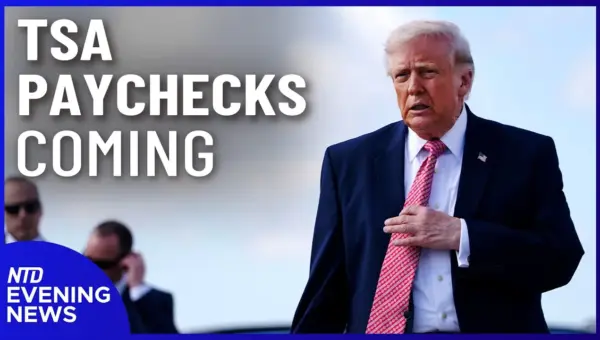
Government Shutdown Sparks TSA Pay Chaos; Woods Arrested
The government shutdown caused major disruptions, leading to TSA agents working without pay and President Trump signing an order to ensure their compensation. Meanwhile, golf icon Tiger Woods was arrested following a car crash in Florida. The news cycle also covered US operations in Iran, support for American farmers, political discussions at CPAC, election record disputes, and lawsuits against social media companies for their impact on students.

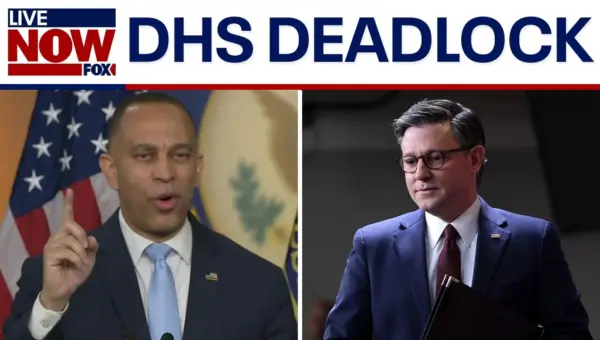
Democrats Demand End to DHS Shutdown, Pass Bipartisan Bill
Democrats are demanding an immediate end to the Department of Homeland Security (DHS) shutdown, urging House Republicans to pass a bipartisan Senate bill. The legislation aims to fund essential services, pay TSA agents, and end airport chaos. Democrats criticize Republicans for obstructing the bill to push ideological agendas and reform ICE.