ICE Agents Deploy to Airports Amid TSA Staffing Crisis
President Trump has ordered ICE agents to U.S. airports to help with severe TSA staffing shortages. This unprecedented move aims to reduce long security lines caused by a government shutdown and agent call-outs. While intended to ease travel, concerns remain about ICE's training for security roles.


ICE Agents Deploy to Airports Amid TSA Staffing Crisis
President Trump has ordered U.S. Immigration and Customs Enforcement (ICE) agents to be stationed at airports across the country. This move aims to help speed up long security lines caused by severe staffing shortages at the Transportation Security Administration (TSA). The Department of Homeland Security (DHS) plans to place hundreds of ICE agents nationwide. Reports indicate agents have already been seen at airports in Atlanta and New Orleans.
Why This Is Happening
The current problem stems from a partial government shutdown that has affected TSA staffing. On Saturday, the TSA saw over 3,200 officers, more than 11% of its scheduled workforce, not show up for work. The rate of call-outs or no-shows has been between 30% and 40%. Additionally, about 400 TSA agents have quit their jobs since February 13th. These staffing issues have led to extremely long lines at security checkpoints. Some airports are now telling passengers to arrive for domestic flights several hours early.
How ICE Agents Will Help
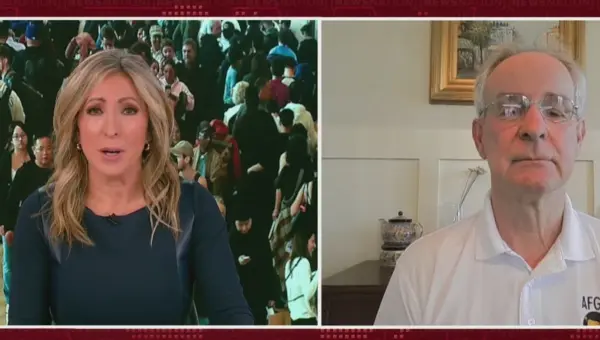
Tom Homan, identified as a Border Czar, explained the thinking behind this plan. He stated that by having ICE agents present, TSA officers can focus more on screening passengers. This means TSA employees who are trained for security checks can stay at those posts. ICE agents are not trained to operate X-ray machines or perform other specialized TSA duties. The goal is to free up TSA personnel for their core security tasks, helping to move the lines faster.
Concerns About ICE Presence
While the intention is to ease travel disruptions, there are concerns about ICE agents being at airports. The Mayor of Atlanta, Andre Dickens, confirmed ICE would be at Hartsfield-Jackson Atlanta International Airport. He noted that these officers will not be conducting immigration enforcement. However, the Air Line Pilots Association (ALPA) has raised concerns. They stated that ICE agents simply do not have the necessary training for airport security roles. The presence of immigration enforcement personnel in civilian travel hubs can also cause anxiety for travelers.
Historical Context
Deploying federal law enforcement agents to assist civilian agencies during emergencies is not entirely new, but this specific application is unusual. Historically, such actions might involve National Guard units or inter-agency task forces for specific events. However, using immigration enforcement agents to bolster airport security during a staffing shortage caused by a government shutdown represents a novel approach. It highlights the strain on government services during prolonged funding disputes.
Economic and Travel Impact
The ongoing TSA staffing issues and resulting travel delays have significant economic consequences. Long lines can lead to missed flights, impacting both business and leisure travel. This affects airlines, hotels, and local economies dependent on tourism. The current situation is compounded by events like spring break crowds, further straining airport resources. The decision to bring in ICE agents, even for non-enforcement roles, shows the severity of the disruption to normal travel operations.
Future Scenarios
One possible future scenario is that this ICE deployment temporarily alleviates the airport security congestion. If it proves effective, it might become a go-to strategy during future TSA staffing crises. However, it could also lead to increased scrutiny and potential legal challenges regarding the scope of ICE’s role. Another scenario is that it does not significantly improve wait times, leading to continued traveler frustration and calls for more permanent solutions to TSA staffing. A longer-term outcome could be increased tension between different federal agencies and potential impacts on public perception of immigration enforcement.
Global Impact
This situation, while primarily domestic, reflects broader trends in how governments manage essential services during political and economic pressures. It underscores the vulnerability of critical infrastructure, like air travel, to government funding impasses. The use of immigration enforcement personnel in roles outside their typical mandate could set precedents. It also draws attention to the complex interplay between national security, immigration policy, and the daily lives of citizens and international travelers.
Source: Trump deploys ICE to airports amid DHS shutdown | Morning in America (YouTube)

Related Articles
Congress Fails TSA Workers, Fueling Uncertainty
TSA agents are facing extreme financial hardship due to ongoing government shutdowns. Despite promises of back pay, union leaders express deep concern over long-term job security and the financial strain on workers. The lack of consistent pay raises questions about Congress's commitment to essential public servants.


Bannon’s Airport Plan Hints at Election Intimidation Tactics
Steve Bannon suggested using ICE presence at airports as a 'test run' for deploying agents at 2026 midterm polling stations. This controversial idea raises concerns about voter intimidation and the potential suppression of legitimate votes, particularly among minority communities. Critics question the premise and highlight the legal and ethical implications of such tactics.


US Immigration Debate Intensifies Amidst Crime Concerns
Recent crime incidents, including the murder of Sheridan Gorman, have intensified the U.S. immigration debate, spotlighting concerns over sanctuary city policies and the impact of the government shutdown on federal employees like TSA staff. The International Olympic Committee's decision on transgender athletes and Republican concerns about flipping electoral seats also feature in this analysis of current geopolitical and domestic affairs.