ICE Agents Deploy to Airports Amid Shutdown Chaos
During a government shutdown, the deployment of ICE agents to airport security checkpoints sparked debate. Critics called it 'theater' and ineffective, while supporters cited safety concerns for agents facing threats. The move also raised questions about transparency and public trust in law enforcement.

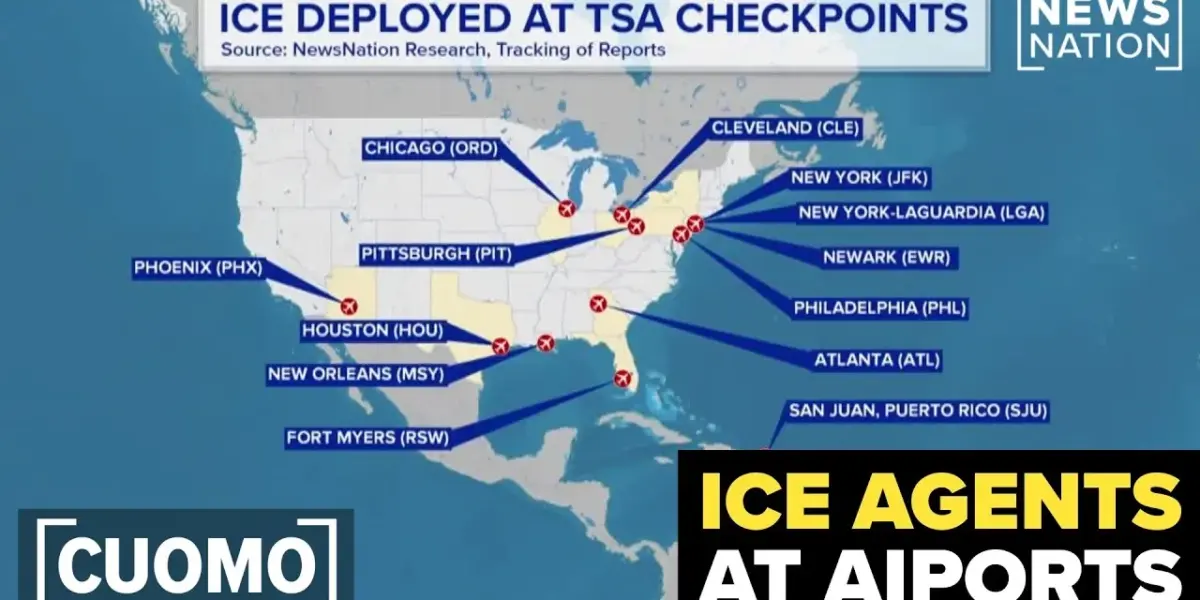
ICE Agents Deploy to Airports Amid Shutdown Chaos
During a government shutdown, the Department of Homeland Security (DHS) made a controversial decision to deploy Immigration and Customs Enforcement (ICE) agents to work at airport security checkpoints. This move aimed to fill gaps left by Transportation Security Administration (TSA) workers who were not being paid. However, the deployment quickly became a point of intense debate, highlighting deep disagreements about government operations, public perception, and agent safety.
The Shutdown and the Temporary Fix
The core issue stemmed from a funding dispute in Congress that led to a partial government shutdown. This meant that many federal employees, including TSA agents, were furloughed or forced to work without pay. To keep airports running, the Trump administration decided to use ICE agents, who are primarily tasked with immigration enforcement, to perform TSA duties. This was presented as a temporary solution to a pressing problem.
Criticism of the Deployment
Critics, including former DHS officials like Miles Taylor, immediately questioned the effectiveness and wisdom of this plan. Taylor described the move as “silly” and “pure theater.” He argued that ICE agents were not trained to operate TSA equipment, such as explosive detection scanners. He also pointed out that by the time any deal was reached to end the shutdown, ICE agents would not have completed the necessary TSA training. This meant they would essentially be learning on the job, raising concerns about efficiency and security.
Taylor also noted that people within the administration admitted the idea was conceived by President Trump on social media with little strategic planning. The visible presence of ICE agents, who are often associated with immigration enforcement rather than airport security, led to confusion and documented instances of agents appearing unsure of their roles. This spectacle, critics argued, was a distraction from the real goal: reaching a deal to reopen the government and pay TSA workers.
The ICE Agent’s Identity Debate
A separate but related controversy emerged regarding the identification of ICE agents. In a widely shared video, an ICE agent was seen apprehending an individual at an airport while seemingly refusing to show identification when asked by onlookers. This sparked a debate about transparency and accountability.
Ken Cuccinelli, former Deputy Homeland Security Secretary, defended the agents’ decision not to fully identify themselves. He explained that ICE agents and their families are targets of domestic terrorism. Therefore, to prevent doxing (publishing private information online) and potential harm, agents need to protect their identities, at least until they are in a secure, private space. He stressed that the threat of doxing is real and ongoing, and agents have a right to protect themselves and their families.
However, Chris Cuomo, the interviewer, pushed back, arguing that the law requires individuals to be informed of who is apprehending them and on what grounds. He questioned why ICE agents should be exempt from this basic right of transparency, especially when other law enforcement officers, like local police or FBI agents, often do not wear masks and still face risks. Cuomo suggested that the visible actions of ICE agents, particularly when perceived as overly aggressive or lacking transparency, could damage public trust in all law enforcement, not just ICE.
Public Perception and Trust
The debate over masks and identification touched on broader issues of public trust in law enforcement. Cuccinelli argued that the need for agents to protect their identities was a direct result of threats against them and their families. He believed that failing to take these protective steps would lead to an enormous number of follow-on attacks and harassment. He stated his priority was agent safety and the safety of their families, even if it meant taking more risks regarding public perception.
Cuomo countered that such actions, like wearing masks, were directly affecting public perception negatively. He cited polls showing diminishing confidence in law enforcement across the board. He argued that this erosion of trust makes the country less safe, as people may become less likely to cooperate with or trust local police, FBI agents, or ICE officers. He believed that brave officers who don’t wear masks and still face risks are upholding the Constitution by taking that risk themselves, rather than having it imposed on them through protective measures.
The Political Strategy Behind the Move
The deployment of ICE agents was also seen as a political tactic. Cuomo suggested that by using ICE agents in this manner, the administration was sending a message. The phrase “Send in ICE” was used when negotiations for a deal were not progressing. Cuomo questioned why this phrase was used if it wasn’t intended to be provocative or intimidating. He wondered why the administration didn’t simply make a deal or use the National Guard instead.
Cuccinelli argued that Democrats were holding up essential funding, including for DHS, to achieve their policy goals. He characterized this as “misdirected aimed fire” by Democrats, suggesting they were holding the wrong people or agencies hostage. He believed that the public encountered law enforcement most often at airports, making it a strategic location for the administration to exert pressure. He also pointed out that other agencies like the Coast Guard and Secret Service also needed funding, implying a broader need for a comprehensive funding bill.
The discussion concluded with an acknowledgment that the situation was far from ideal. The government shutdown created a crisis, and the response involving ICE agents at airports became a focal point for deeper disagreements about immigration policy, government operations, and the balance between security and transparency.
Global Impact
While this event primarily concerned domestic US policy, it has broader implications for international perceptions of American governance and law enforcement. The visible use of immigration enforcement agents in a civilian security role can create confusion and potentially negative perceptions among international travelers. It also highlights the political tools and pressures that can be employed during government shutdowns, potentially impacting diplomatic relations and international business if such disruptions become more frequent or prolonged.
Source: How should ICE be representing themselves at airports? | CUOMO (YouTube)

Related Articles

House Funds DHS Short-Term, Senate Stalemate Looms
The House has passed a short-term bill to fund the Department of Homeland Security, but the Senate is expected to reject it. This temporary measure highlights ongoing political divisions and the challenges in reaching long-term budget agreements in the U.S. Congress.

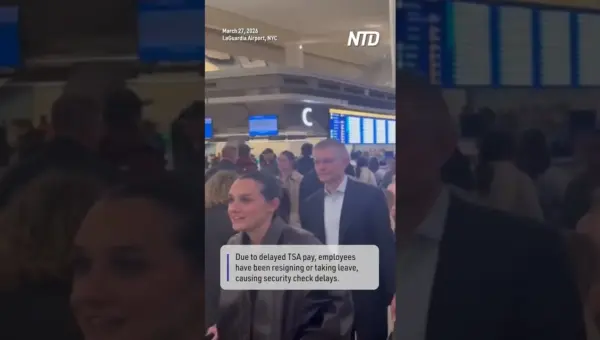
TSA Staff Cuts Create Airport Chaos for Travelers
Recent TSA agent shortages, fueled by a government shutdown and delayed pay, have caused significant delays and long security lines at major airports. This situation highlights the critical role of TSA staff and the impact of funding issues on essential services.
House Funds DHS, But Senate Deal Unlikely Amid Shutdown
The House of Representatives has passed a bill to fund the Department of Homeland Security, but the measure is unlikely to pass the Senate. TSA workers, who have faced missed paychecks and disruptions, may receive some pay soon due to a presidential order, but the broader shutdown continues.