ICE Agents Bolster TSA Security at LaGuardia Amidst New Measures
Immigration and Customs Enforcement agents assisted TSA staff at LaGuardia Airport, highlighting a growing trend in inter-agency security collaboration. This joint effort could signal future changes in airport security protocols and raises discussions about efficiency and passenger experience.

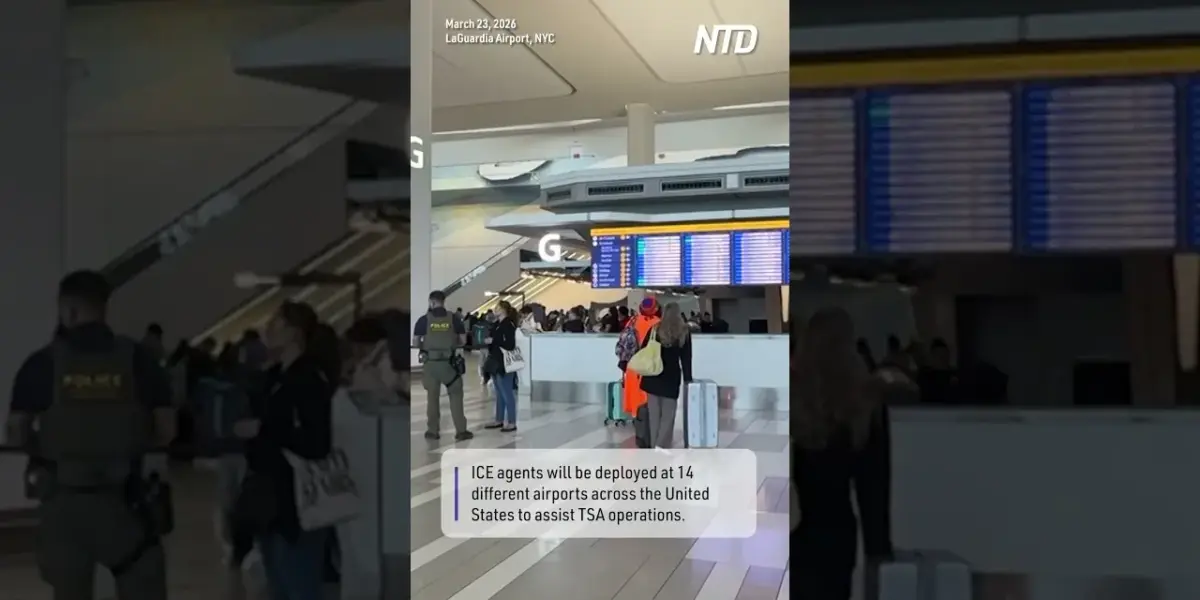
ICE Agents Bolster TSA Security at LaGuardia Amidst New Measures
Immigration and Customs Enforcement (ICE) agents recently joined Transportation Security Administration (TSA) staff at New York City’s LaGuardia Airport. This collaboration happened in the ticketing and bag check areas on a Monday. The presence of ICE agents signals a shift in how airport security might be managed, especially in busy travel hubs.
This joint effort highlights a focus on security at one of the nation’s busiest airports. While the exact reasons for the increased presence were not detailed, such actions often occur when authorities want to strengthen screening processes or respond to specific security concerns. It’s not common to see agents from different federal agencies working side-by-side in these passenger-facing roles.
Understanding the Agencies Involved
ICE is a federal law enforcement agency that enforces U.S. immigration laws. Enforcement and Removal Operations (ERO) is a specific part of ICE focused on apprehending and removing individuals who have violated immigration laws. The TSA, on the other hand, is responsible for security at airports across the United States, screening passengers and baggage.
Bringing ICE agents into TSA’s operational areas at an airport suggests a desire to leverage the expertise and resources of multiple agencies. This could mean looking for individuals who may be on watchlists or have outstanding warrants, in addition to the standard security checks performed by the TSA. It’s like having a security guard who is also trained to spot specific types of problems.
Historical Context of Airport Security
Airport security has changed dramatically over the years, especially after major events like the September 11th attacks in 2001. Before 9/11, security measures were less stringent. The TSA was created in the aftermath to centralize and improve airport security nationwide.
Since then, security protocols have continuously evolved. We’ve seen advancements in screening technology and increased personnel. The involvement of agencies like ICE in airport security operations is less common but not entirely new. In the past, different law enforcement agencies have assisted with security at airports during special events or heightened alert periods.
Potential Implications and Perspectives
The presence of ICE agents at TSA checkpoints could be seen in different ways. Supporters might view it as a necessary step to enhance national security and ensure all individuals entering the country or traveling are properly vetted. They might argue that pooling resources from different agencies makes the security system more effective.
Critics, however, might raise concerns about the potential impact on passenger experience and civil liberties. They might worry that this could lead to increased scrutiny of travelers, particularly those who may appear to be immigrants. Some may question whether this is the most efficient use of ICE resources, which are often focused on immigration enforcement away from airports.
It’s important to remember that TSA’s primary mission is transportation security. ICE’s mission is immigration enforcement. Combining these roles at a busy airport could create complexities. However, the goal is likely to create a layered security approach, where different agencies contribute their specialized skills.
Why This Matters
This event at LaGuardia Airport is significant because it points to ongoing efforts to adapt and strengthen security measures in public spaces. The collaboration between ICE and TSA could set a precedent for future security operations at airports or other transportation hubs.
It raises questions about how different government agencies can best work together to achieve common security goals. It also prompts discussion about the balance between security and the travel experience for millions of people. Understanding these joint operations helps us see how national security strategies are evolving in real time.
Future Outlook
The trend towards inter-agency cooperation in security is likely to continue. As threats evolve, government agencies will probably find more ways to share information and personnel. This could mean more visible collaborations like the one at LaGuardia.
We may see airports becoming areas where multiple federal agencies have a presence, working together to ensure safety. The effectiveness and public reception of these combined efforts will shape how airport security is managed in the years ahead. Continued dialogue and clear communication about the purpose of such operations will be crucial.
Source: ICE Agents Support TSA at LaGuardia Airport (YouTube)

Related Articles


Trump Derails Bipartisan Deal, Halts Government Funding
Senate Republicans united on a funding bill for the Department of Homeland Security, but Donald Trump's opposition led House Speaker Mike Johnson to kill the deal. This political maneuver left TSA workers unpaid and highlighted the influence of personal directives over legislative progress.


Trump’s Grip Tightens: House Republicans Fold on Funding Bill
House Republicans, influenced by Donald Trump, have rejected a bipartisan bill to fund the Department of Homeland Security, causing chaos and leaving essential workers unpaid. Senate Republicans had unanimously passed the bill, but Speaker Mike Johnson ultimately folded to Trump's demands, highlighting the former president's strong grip on the party.


TSA Agents Face Financial Crisis Amid Government Shutdown
TSA officers are facing extreme financial hardship due to the government shutdown, with many going unpaid for over 40 days and resorting to selling plasma for money. Union representative Johnny Jones described the situation as a "real crisis," with agents feeling like "political pawns." He called for immediate payment and a $10,000 bonus to recognize their sacrifices.