ICE Agents Bolster TSA: A Smart Move to Ease Airport Chaos?
ICE agents are being deployed to assist TSA at airports, aiming to reduce long traveler lines by handling non-screening duties. This move highlights cooperation between agencies but is seen as a temporary fix. Discussions continue around DHS funding and leadership.

ICE Agents Bolster TSA: A Smart Move to Ease Airport Chaos?
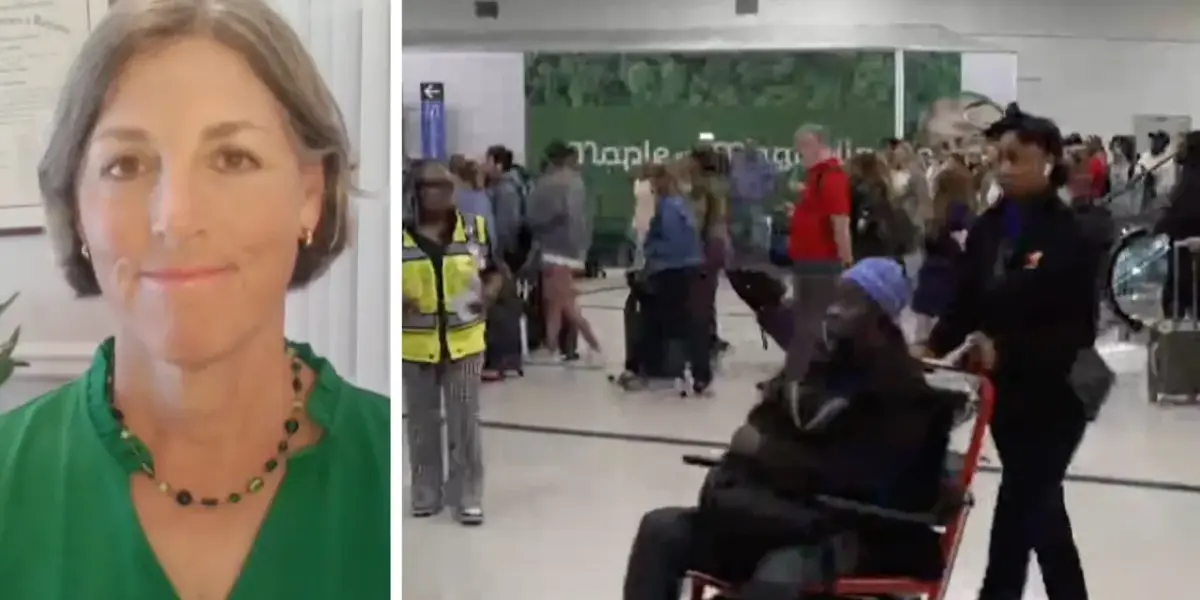
Long lines at the airport can be a major headache for travelers. Imagine waiting for hours just to get through security. This has become a common problem, especially at international airports. To help fix this, President Trump is sending agents from Immigration and Customs Enforcement (ICE) to assist the Transportation Security Administration (TSA) at airports. This move aims to speed up the screening process and make travel smoother for everyone.
The TSA has many different jobs for its officers. Some officers manage the equipment that scans bags and people. However, others have roles that don’t involve direct screening. These tasks include watching the exit of secure areas to prevent unauthorized entry. They also help guide travelers on what to remove from their bags, like laptops or liquids. By having ICE agents take over some of these non-screening duties, trained TSA officers can focus more on their main job: keeping travelers safe.
ICE agents have skills that could be very useful at airports. For example, they are already trained to check identification. This is a key part of immigration enforcement. By using their expertise in verifying documents, ICE agents can help identify travelers who might be using fake or stolen IDs. This not only helps the TSA process people faster but also adds an extra layer of security. It can help catch impostors and those trying to travel under false pretenses.
Some people might wonder if this plan is enough on its own. It’s important to note that this is seen as a temporary fix. The real solution is making sure the TSA is fully staffed with its own trained personnel and that those officers are properly paid. However, bringing in ICE agents is considered a reasonable step to provide immediate help during busy travel times.
Masks and Public Trust
There’s also a discussion about whether ICE agents should wear masks while working at airports. President Trump has said he’s okay with them wearing masks when dealing with dangerous criminals but not at airports. The idea is that not wearing masks might help build public trust. However, there was an incident in San Francisco where people started filming an ICE arrest and questioning the officers’ authority. This suggests that in some situations, officers might face harassment or even threats. In such cases, wearing masks could be a safety measure to protect officers and their families from being identified and targeted. For now, it seems many travelers might feel safer seeing ICE agents present.
What Exactly Can ICE Agents Do?
Tom H. Homeman, who was put in charge of border security, mentioned that ICE agents won’t be looking at X-ray machines because they lack the specific training. They also won’t be involved in the main security screening process itself. So, what specific tasks can they handle? They can help keep the lines orderly and make sure people are following instructions. They can guide travelers on how to prepare for ID checks and security screenings. They can also stand guard at the exit points of secure areas, preventing people from entering the wrong way. These are all tasks that ICE agents are well-equipped to perform.
Furthermore, ICE agents are skilled at identifying people and authenticating documents. This is especially important given the issues with individuals using fake or stolen identities to travel. Airports are also places where individuals who have overstayed their visas or are fugitives might try to travel using false information. ICE agents can help identify these individuals, which enhances overall security.
Leadership at DHS
Another significant development is the potential nomination of Senator Mark Wayne Mullen to become the next Secretary of Homeland Security (DHS). If confirmed, Mullen’s approach is expected to be different from the current acting secretary, Kirstjen Nielsen. Mullen has indicated a desire to work more behind the scenes. He aims to keep the different agencies within DHS working together effectively. He also hopes to collaborate with senators on new laws to improve immigration enforcement and security. His style seems to be more about quiet work and collaboration, aiming to keep DHS out of the daily headlines.
Funding and Negotiations
There’s also a disagreement over funding for DHS. President Trump claims Democrats are blocking money that has already been approved. Democrats, on the other hand, want changes, such as requiring body cameras for ICE agents and setting rules for enforcement in sensitive areas like churches. Negotiations are ongoing to find a way forward.
Democrats initially made a list of demands that the Trump administration felt were too extreme and could effectively stop immigration enforcement. The administration has offered concessions, agreeing to body cameras, better identification for ICE agents, and guarantees about enforcement in sensitive areas. They are also willing to get warrants in certain situations when entering someone’s home to find a fugitive. Democrats have not yet fully responded to these offers. There’s a sense that Democrats might be feeling pressure, as they are now trying to separate TSA funding from the rest of DHS, acknowledging the need to fund airport security.
For an agreement to be reached, Democrats will need to respond in good faith to the concessions offered by the Trump administration. Coming to the table and agreeing to the proposed deal could allow them to save face and move forward.
Why This Matters
The deployment of ICE agents to assist the TSA is a practical response to a pressing problem: airport congestion and understaffing. It highlights how different government agencies can cooperate to address immediate needs, even if it’s a temporary solution. This situation also brings to light the ongoing debates surrounding immigration enforcement, border security, and the role of federal agencies. The discussions around funding and policy changes show the complex political challenges involved in managing national security and immigration. The potential leadership change at DHS could also signal a shift in how the department operates, focusing more on internal coordination and legislative efforts.
Implications and Future Outlook
If successful, this ICE-TSA collaboration could become a model for handling staffing shortages in other critical areas. It demonstrates flexibility and resourcefulness in government. However, the long-term solution still lies in ensuring the TSA is adequately funded and staffed. The political deadlock over DHS funding needs to be resolved for sustained improvements. The confirmation of a new DHS Secretary could bring a more stable and strategic approach to immigration and security policies. The ongoing negotiations suggest that compromise is possible, but it requires both sides to engage constructively.
Historical Context
Airport security has been a major focus since the September 11th attacks in 2001. The TSA was created in response to these events to centralize and improve aviation security. Since then, the agency has faced ongoing challenges with staffing, funding, and adapting to new threats. Immigration enforcement, handled by agencies like ICE, has also been a consistent area of political debate and policy change over the years. This current situation is a reflection of these ongoing challenges, where immediate security needs at airports intersect with broader immigration policy discussions.
Source: ICE Agents Can Help TSA Staff Rotations That Don’t Involve Screening: Analyst (YouTube)

Related Articles
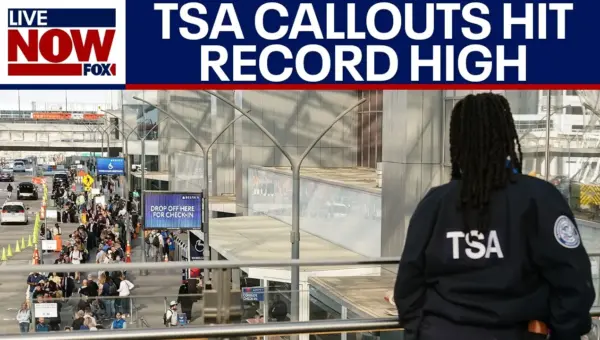
TSA Workers Get Paid After Record Absences
TSA agents will finally receive paychecks after working nearly six weeks without salary, following a directive from President Trump. Record high absences had strained airport operations and caused significant passenger delays. The situation has sparked calls for better protections for essential workers during government shutdowns.

House Republicans Reject Senate Deal, Sparking Government Funding Clash
House Republicans have rejected a Senate bill to end the government shutdown, citing insufficient border security measures. Congressman Randy Fine called the Senate deal a "disgrace" and highlighted the ongoing fight for full government funding. President Trump's executive order to pay TSA agents offers temporary relief, but the core disagreement over border security continues to paralyze Washington.

House Rejects Senate Bill, Citing Border Security Funding Gaps
House Republicans are rejecting a Senate funding bill, arguing it lacks essential appropriations for ICE and CBP, threatening anti-trafficking efforts and border security. They plan to pass a short-term measure to force renewed negotiations.