ICE Agents Bolster Airports Amid Travel Chaos
Long security lines are causing major disruptions at airports across the U.S., leading to the unprecedented deployment of ICE agents to assist. This response highlights a severe TSA staffing shortage exacerbated by increased travel demand and potential funding issues.

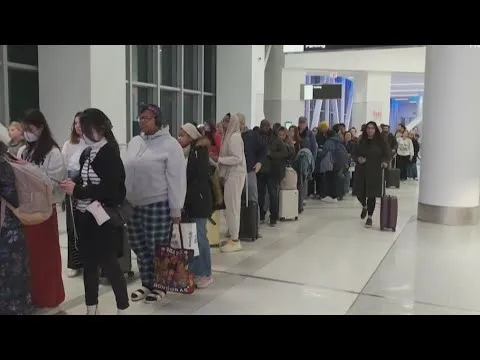
ICE Agents Deployed to Airports Amid Travel Chaos
The United States is facing a growing travel crisis, with airports nationwide struggling under the weight of exceptionally long security lines. This situation has prompted an unusual federal response: the deployment of Immigration and Customs Enforcement (ICE) officers to assist at several major airports. President Trump has stated these agents will remain in place until the backlog is cleared, signaling a significant federal effort to restore order to the nation’s air travel system.
Widespread Airport Delays Strain Travelers
The problem is not confined to a single location. Airports from coast to coast are reporting hours-long waits at security checkpoints, with lines often stretching into parking areas. Travelers are being advised to arrive at airports as much as four hours before their flights, a stark warning reflecting the severity of the delays. This has created a stressful and unpredictable environment for millions of passengers attempting to travel, particularly during busy periods like spring break.
ICE Deployment and Its Scope
ICE agents have been spotted at numerous airports, including Chicago O’Hare, New Orleans, Newark, Miami, and San Francisco. Reports have since expanded to include airports in Houston (Bush Intercontinental and Hobby), Philadelphia, Phoenix, and Pittsburgh. This move by President Trump is described by some as unprecedented, highlighting the administration’s determination to address the widespread disruptions. The agents are reportedly there to help manage crowd control and ease the burden on existing security personnel.
Root Causes: Staffing Shortages and Increased Travel
The current crisis stems from a combination of factors. A significant TSA staffing shortage is a primary driver, with a notable increase in unscheduled absences and agent call-outs. Since February 13th, approximately 400 TSA agents have quit their jobs. This reduction in available staff is occurring at a time when travel demand is high, exacerbated by events like spring break. The nation’s busiest airport, Hartsfield-Jackson Atlanta International Airport, has been particularly hard-hit, experiencing some of the longest wait times.
Concerns Over ICE’s Role at Airports
While the intention is to alleviate pressure, the deployment of ICE agents raises questions and concerns. Mayors of some affected cities have stated that ICE officers will not be conducting immigration enforcement activities at the airports. However, there are worries about whether ICE officers are adequately trained or equipped for the specific duties performed by TSA agents. The primary concern is ensuring that the agents are focused solely on managing passenger flow and security queues without engaging in immigration-related tasks.
Alternative Solutions and Challenges
Other potential solutions have been proposed, including an offer from Elon Musk to personally pay TSA staff who have not been paid due to a government shutdown. However, this idea faces significant logistical and legal hurdles, as a private citizen cannot simply pay federal employees without major structural changes to the agency’s funding and operations. This highlights the complexity of resolving issues related to federal agency staffing and funding.
Broader Economic Pressures on Travel
Adding to the travel woes, ticket prices are expected to rise. This is attributed to an increase in the cost of jet fuel. The combination of travel disruptions, potential price hikes, and staffing issues paints a challenging picture for travelers in the near future. The situation is further complicated by ongoing events, such as a recent tragedy at LaGuardia Airport, which has added to the overall stress and difficulty of air travel.
Why This Reshapes the World Order
This situation, while seemingly focused on domestic airport operations, touches on broader themes of government capacity, resource allocation, and public trust. The deployment of ICE agents, an agency typically focused on immigration enforcement, to assist with a non-immigration-related logistical problem like airport security lines, highlights a potential strain on federal resources and a willingness to adapt with unconventional solutions. It also brings into focus the intricate relationship between federal agencies and public services, particularly during times of crisis or government shutdowns. The public’s reaction and the logistical challenges of using one agency’s personnel for another’s duties could influence future approaches to managing critical infrastructure and public services during national emergencies. Furthermore, the economic pressures, such as rising fuel costs impacting ticket prices, demonstrate how interconnected global markets can affect everyday life and government policy responses.
Historical Context
The use of federal law enforcement or military personnel to supplement civilian agencies during crises is not entirely new. During past government shutdowns, there have been discussions and, at times, deployments of personnel to ensure essential services continue. However, the specific use of ICE agents, an agency with a distinct mandate, for airport security lines is a novel approach. Historically, the TSA itself was created in the aftermath of the September 11th attacks to centralize and strengthen airport security. This current situation represents a different kind of challenge, one stemming from internal staffing and funding issues rather than an external security threat, and it is being met with an internal reallocation of federal assets.
Economic Leverage and Dependencies
The underlying cause of the TSA staffing shortage is often linked to government shutdowns and the resulting unpaid furloughs or delays in paychecks for federal employees. This directly impacts the agency’s ability to retain and recruit staff. The mention of rising jet fuel costs directly links to global energy markets and their impact on the aviation industry, demonstrating how international economic factors can directly influence domestic travel costs and airline operations. The potential for increased ticket prices creates an economic burden on consumers, forcing them to weigh the cost of travel against the convenience or necessity.
Future Scenarios
Several outcomes are possible. The ICE deployment could successfully alleviate the immediate airport congestion, allowing travel to return to normal. However, if the underlying TSA staffing issues are not resolved, the problem could resurface. Another scenario involves continued reliance on federal agencies like ICE for short-term fixes, which might lead to ongoing debates about agency roles and responsibilities. A more sustainable solution would involve addressing TSA funding and staffing levels directly, potentially through legislative action. The possibility of future government shutdowns also looms, which could create similar or worse travel disruptions if not managed proactively.
Source: ICE agents deployed to airports amid long security lines | NewsNation Live (YouTube)

Related Articles
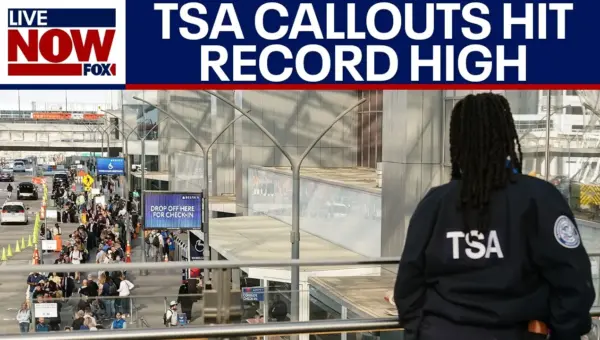
TSA Workers Get Paid After Record Absences
TSA agents will finally receive paychecks after working nearly six weeks without salary, following a directive from President Trump. Record high absences had strained airport operations and caused significant passenger delays. The situation has sparked calls for better protections for essential workers during government shutdowns.


House Republicans Reject Senate Deal, Sparking Government Funding Clash
House Republicans have rejected a Senate bill to end the government shutdown, citing insufficient border security measures. Congressman Randy Fine called the Senate deal a "disgrace" and highlighted the ongoing fight for full government funding. President Trump's executive order to pay TSA agents offers temporary relief, but the core disagreement over border security continues to paralyze Washington.


Tiger Woods Arrested for DUI After Crash
Golf legend Tiger Woods was arrested for DUI in Florida following a dramatic rollover crash. Meanwhile, a government shutdown continues as House Republicans block a Senate deal, leading to airport chaos and TSA worker pay issues. The stock market also plummeted into correction territory amid fears of a prolonged Iran conflict.