ICC Hearing Exposes Allegations of Duterte-Sanctioned Murders in Philippines Drug War
The International Criminal Court (ICC) is holding hearings concerning allegations against former Philippine President Rodrigo Duterte for alleged widespread murders during his "war on drugs." Duterte faces charges related to 49 incidents of murder and attempted murder, part of a systematic attack resulting in thousands of civilian deaths. Victims' families criticize his absence, calling it an evasion of justice.

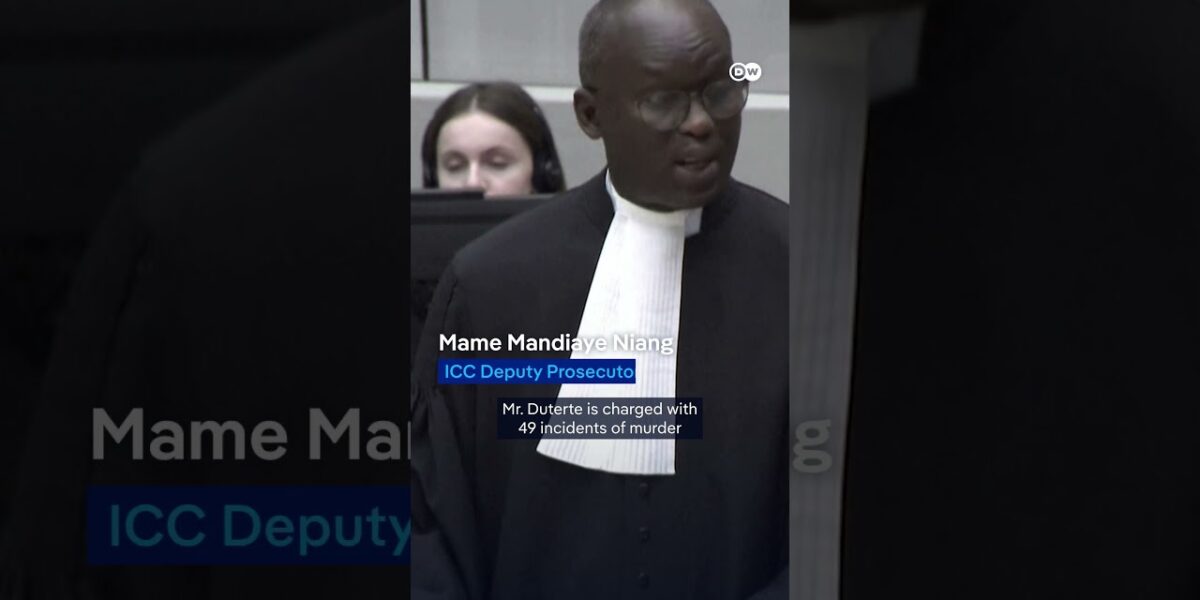
International Criminal Court Convenes to Address Allegations Against Former Philippine President Rodrigo Duterte
The International Criminal Court (ICC) has convened to hear evidence and consider charges against former Philippine President Rodrigo Duterte, who is accused of authorizing widespread murders during his controversial “war on drugs.” The proceedings mark a critical juncture in the global effort to hold leaders accountable for alleged human rights abuses, particularly those occurring within the context of national security policies.
The “War on Drugs” and its Deadly Toll
Rodrigo Duterte’s presidency, from 2016 to 2022, was largely defined by his aggressive campaign against illegal narcotics. This policy, lauded by supporters as a necessary measure to combat crime and addiction, was widely condemned by human rights organizations and international bodies for its brutal and often extrajudicial methods. The “war on drugs” is estimated to have resulted in the deaths of thousands of civilians, with critics alleging that many of these killings were carried out by or with the tacit approval of state forces.
The current ICC proceedings focus on a specific set of allegations, detailing 49 incidents of murder and attempted murder, involving 78 victims, including children. These alleged crimes are presented as part of a broader pattern of a “widespread and systematic attack” that led to the deaths of numerous civilians across the Philippines during Duterte’s tenure.
Allegations of State-Sanctioned Violence
Evidence presented to the ICC includes at least 35 reports that substantiate the 49 incidents under scrutiny. These reports detail alleged acts of violence that proponents of the case argue were not isolated incidents but rather a calculated part of a state-sponsored campaign. The scale of the alleged atrocities, with comparisons drawn to historical atrocities like the Holocaust, underscores the gravity of the charges being considered by the court.
“Mr. Duterte is charged with 49 incidents of murder and attempted murder of 78 victims including children,” stated a representative involved in the proceedings. “These murder and attempted murders were part of a widespread and systematic attack that overall resulted in the killings of thousands of civilians across the country during the relevant time frame.” This framing suggests a deliberate policy of violence rather than collateral damage from law enforcement operations.
Duterte’s Absence and the Quest for Accountability
Despite the gravity of the allegations, Rodrigo Duterte has not appeared at the ICC hearing. His absence has been met with criticism from victims’ families and human rights advocates, who view it as an attempt to evade justice and accountability.
“For us, Duterte is a coward for not uh for choosing not to show up in front of the families of victims, for uh trying to evade uh accountability and justice,” said a spokesperson for the victims’ families. “So even if Duterte will not uh show up on the uh confirmation of charges, we know that Duterte will not be able to escape accountability.”
This sentiment highlights the deep-seated desire for justice among those affected by the “war on drugs.” While Duterte may be physically absent, the legal process at the ICC aims to ensure that accountability is pursued regardless of his presence. The court has mechanisms to proceed even in the absence of the accused, though such cases can be more complex.
Broader Implications for International Justice
The ICC’s examination of the alleged crimes committed under Duterte’s leadership has significant implications for the future of international justice. It signals a continued commitment by the court to investigate and prosecute alleged perpetrators of mass atrocities, regardless of their political standing or the national context of the crimes.
The “war on drugs” in the Philippines has been a flashpoint in the global debate over drug policy and human rights. While some nations have adopted similar tough-on-crime stances, the Philippine experience has served as a cautionary tale about the potential human cost of such policies when not implemented with strict adherence to the rule of law and human rights principles.
The ICC’s involvement underscores the principle that national sovereignty does not grant impunity for grave international crimes. It provides a potential avenue for justice for victims who may have exhausted or been denied remedies within their own national legal systems. The proceedings against Duterte, regardless of the final outcome, will contribute to the body of international law and set precedents for how similar cases are handled in the future.
The Road Ahead
The confirmation of charges hearing is a crucial step in the ICC process. It allows the court to determine whether there is sufficient evidence to proceed to trial. The prosecution will present its case, and the defense will have an opportunity to respond. The judges will then decide whether to confirm the charges against Duterte.
The outcome of this hearing will have far-reaching consequences, not only for Rodrigo Duterte but also for the victims of the “war on drugs” and the broader landscape of international criminal justice. The global community will be watching closely as the ICC navigates this complex and sensitive case, seeking to uphold its mandate of ending impunity for the most serious crimes of concern to the international community.
The allegations brought before the ICC paint a grim picture of a period marked by extensive violence and alleged state complicity. The court’s proceedings represent a critical effort to bring accountability to a situation that has deeply affected thousands of lives in the Philippines and garnered international condemnation.
Source: Duterte accused of authorizing murders at ICC hearing | DW News (YouTube)

Related Articles
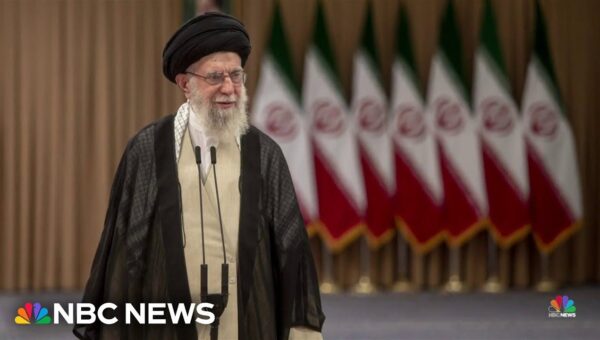
Iran’s Unrest: Strikes Signal Potential Uprising
Iran is experiencing a critical juncture as a wave of strikes suggests a potential uprising, following the reported death of its Ayatollah. This unrest, fueled by long-standing human rights abuses and economic hardship, marks a significant moment of uncertainty for the nation. The situation is being closely watched globally, with implications for regional stability.
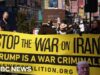
Iran Protests Erupt in Times Square Amid Global Calls
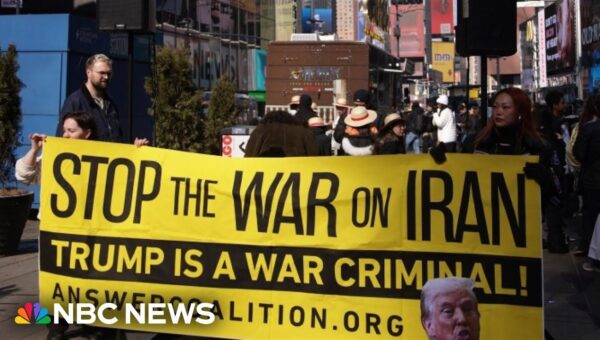
Thousands of demonstrators converged on Times Square in an emergency protest against actions in Iran, part of a nationwide movement spanning over 60 cities. Organized by grassroots groups, the protests call for U.S. non-involvement and express solidarity with Iran amid heightened geopolitical tensions.

Taliban Penal Code Values Animals Over Women, Ex-Politician Claims
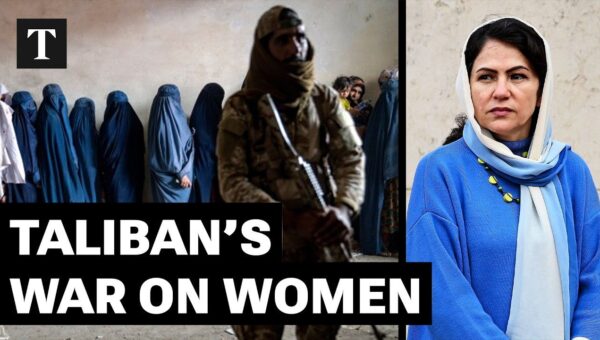
A new Taliban penal code reportedly values animal life over human, with provisions allowing husbands to beat wives under limited conditions. Former Afghan official Faiq Kofi criticizes the legislation, highlighting the lack of recourse for women and the systemic disenfranchisement within the Afghan legal system.