Hybrid Threats Erode Public Trust, Experts Warn
Security analysts warn that hybrid threats have evolved beyond isolated incidents, now systematically targeting public trust in institutions. This sophisticated erosion of faith, particularly in elections, leaves citizens disengaged and vulnerable to manipulation, analysts say.

Hybrid Threats Erode Public Trust, Experts Warn
In an era of escalating geopolitical tensions, a growing chorus of security analysts is sounding the alarm on a sophisticated new wave of hybrid threats designed to undermine public trust in critical institutions. These are not isolated incidents but systemic attacks that exploit vulnerabilities to sow confusion, paralyze decision-making, and erode confidence in democratic processes and societal functions. The focus has shifted from merely disrupting systems to a more insidious goal: a widespread deterioration of public faith.
Beyond Trolls and Bots: A Systemic Attack on Trust
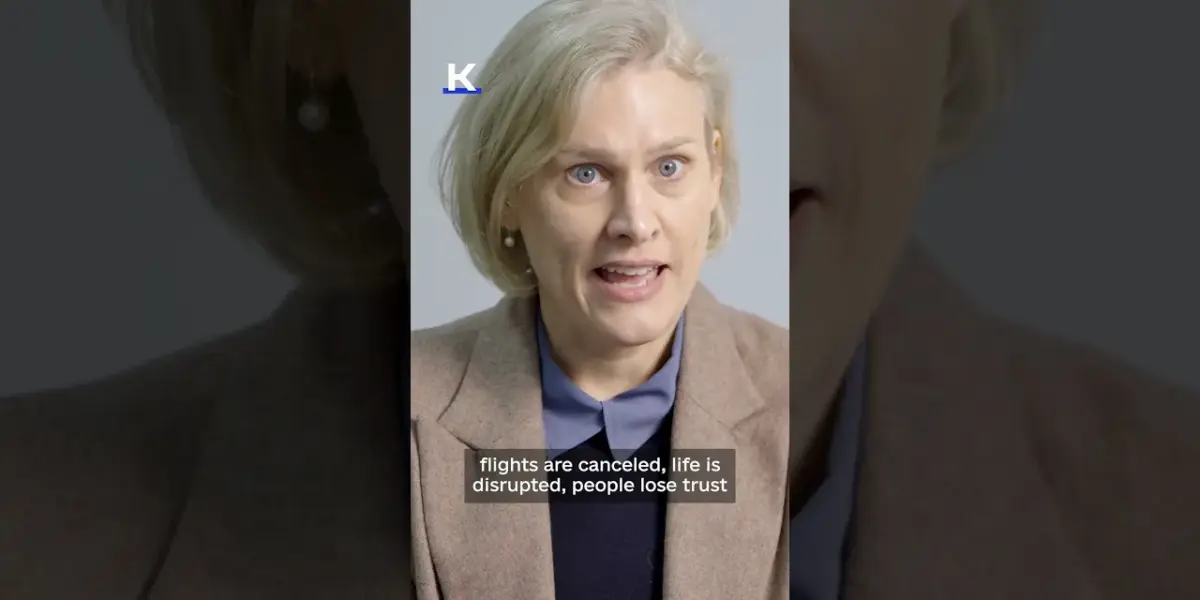
The nature of security threats has evolved significantly, moving beyond the simplistic understanding of isolated events. According to security analysts, the true measure of a threat lies not just in the immediate disruption, for example, a drone temporarily grounding flights at a European airport. Instead, the critical security failure emerges when such an incident exposes a lack of preparedness and a clear reaction plan, leading to cascading consequences.
When flights are canceled, lives are disrupted, and the public witnesses a failure to manage the situation effectively, the impact transcends mere inconvenience. It creates a tangible loss of trust in the very institutions designed to ensure societal order and functionality. As one analyst put it, “It’s not only on this level of trolls and bots and fake news. I think we’ve actually moved beyond that.” This signifies a paradigm shift where the objective is no longer just temporary disruption but the creation of a lasting deficit in public confidence.
The Sophistication of Trust Deterioration
The current landscape of hybrid threats is characterized by its sophistication and its direct assault on the foundational elements of modern society: trust. This deterioration extends to fundamental pillars like elections and the integrity of electoral systems. The analyst highlighted a concerning trend observed across Europe and globally, where “large percentages of the population in Europe and around the world have just said, ‘I don’t know what’s true. I don’t know what’s false anymore. I just give up.'”
This widespread disillusionment and abdication of the effort to discern truth from falsehood creates a dangerous vacuum. When citizens disengage from seeking information and forming their own informed opinions, they become susceptible to manipulation. This passive stance leaves them “a blank slate for whatever trickles” their way, making them fertile ground for disinformation campaigns and further erosion of their belief in established facts and institutions. The goal, it appears, is to create a populace that is too overwhelmed or too cynical to engage critically with information, thereby weakening the fabric of democratic societies.
The Cascading Impact on Society
The implications of this erosion of public trust are far-reaching and deeply concerning. When faith in elections wanes, the legitimacy of democratic outcomes is called into question, potentially leading to political instability and social unrest. A public that distrusts its government may be less likely to comply with public health measures, support vital infrastructure projects, or engage in civic duties, further weakening societal cohesion.
The analyst’s perspective emphasizes that the current threats are designed to be systemic, impacting multiple facets of life simultaneously. The disruption of transportation networks, for instance, is not merely an operational challenge but a demonstration of institutional weakness that can be amplified through targeted information operations. This creates a feedback loop where real-world failures are exploited to deepen distrust, and this distrust, in turn, hinders effective responses to future crises.
Moving Towards a Systemic Security Approach
The prevailing view among experts is that security must now be conceptualized as a system, rather than a series of isolated incidents. This requires a fundamental shift in how governments, institutions, and individuals approach security challenges. Instead of reacting to each event as it occurs, the focus must be on building resilient systems that can withstand and mitigate the impact of hybrid threats.
This systemic approach involves several key components. Firstly, it necessitates proactive planning and robust contingency measures for potential disruptions, ensuring that when incidents do occur, there are clear, effective, and transparent response mechanisms in place. Secondly, it demands a concerted effort to combat disinformation and promote media literacy, empowering citizens to critically evaluate information and resist manipulation. Finally, it requires fostering open communication and transparency from institutions, rebuilding the trust that has been deliberately targeted and eroded.
The Path Forward: Rebuilding Resilience and Trust
The challenge posed by hybrid threats targeting public trust is significant, but not insurmountable. The path forward requires a multi-faceted strategy that acknowledges the systemic nature of these attacks. By prioritizing the development of resilient systems, enhancing public awareness, and rebuilding the foundations of trust through transparency and effective governance, societies can begin to push back against the forces seeking to undermine them. The ongoing evolution of these threats means that vigilance, adaptability, and a collective commitment to truth and reliable institutions will be paramount in safeguarding the future.
Source: Hybrid threats increasingly target public trust, analyst says (YouTube)

Related Articles

UK Peer Warns of Ukraine Aid Diversion Amidst Middle East Tensions
Lord Ricketts warns that escalating Middle East tensions could divert critical military aid from Ukraine, exacerbating its air defense shortages. He also cautions against a blind following of US foreign policy and stresses the importance of diplomacy amidst global conflicts.

Canada Ascends: How US Foreign Policy Fuels a Northern Superpower
As the US navigates foreign conflicts and trade instability, Canada is strategically forging new alliances and trade agreements, positioning itself as a reliable economic superpower in North America. This analysis explores the implications of America's perceived erraticism and Canada's ascendance.

Putin’s Grip Weakens: Internal Strife Rises Amidst Geopolitical Tensions
Vladimir Putin's regime faces unprecedented internal pressure as economic strain and elite infighting escalate. The Russian President is reportedly manufacturing external threats and domestic fear to consolidate power, while geopolitical maneuvers and crackdowns on dissent signal a weakening grip. Despite these efforts, Russia's ongoing losses in Ukraine cast doubt on the long-term stability of Putin's leadership.