Hungary’s Lavrov Talks Trigger EU Sanctions Debate
Leaked conversations between Hungary's Foreign Minister and his Russian counterpart have triggered sharp criticism from EU leaders. The controversy highlights concerns over Russian influence within the EU and complicates vital financial aid for Ukraine. Meanwhile, Russia's military cooperation with Iran and shifting geopolitical alliances add further complexity to regional security.

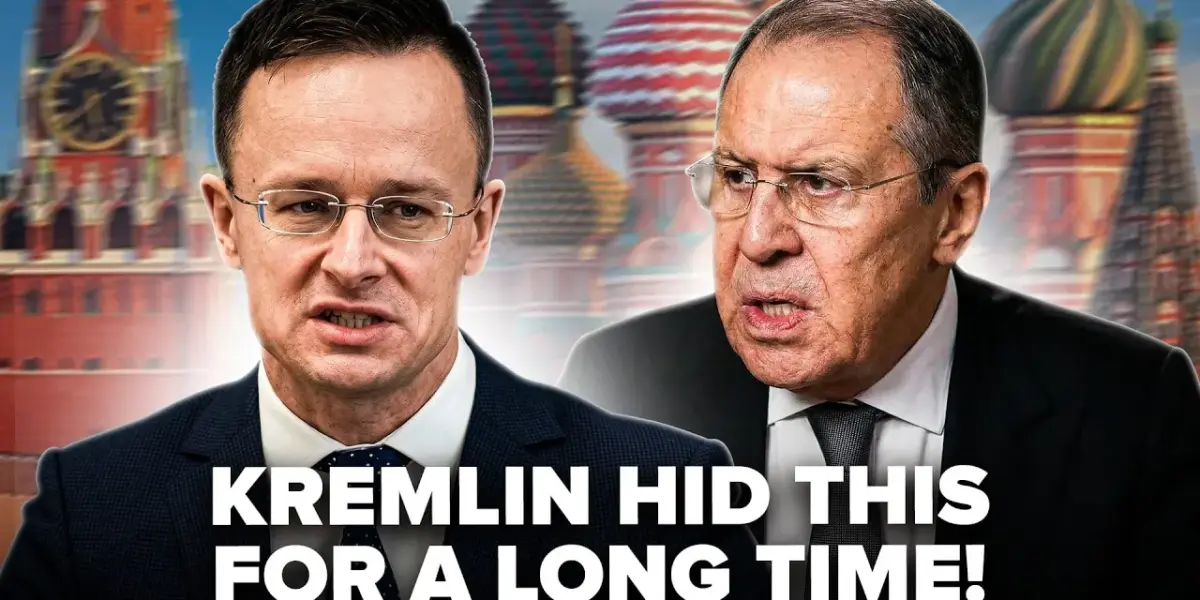
Hungary’s Lavrov Talks Trigger EU Sanctions Debate
Recent leaks of a phone conversation between Hungary’s Foreign Minister Péter Szijjártó and his Russian counterpart Sergey Lavrov have ignited a firestorm within the European Union. European leaders have issued sharp condemnations, with Polish Prime Minister Donald Tusk stating the recordings confirm a “deeply troubling political dependence” of Hungary’s government on Moscow. The leaked discussion reportedly centered on influencing EU sanctions against Russia in Moscow’s favor. This development raises critical questions about Hungary’s role within the EU and the bloc’s ability to maintain a united front against Russian aggression.
EU Financial Aid for Ukraine Faces Delays
The controversy surrounding Hungary’s actions comes as Ukraine faces significant delays in securing crucial financial assistance from the European Union. A proposed €90 billion loan package, vital for Ukraine’s economic stability and preparations for the coming winter, remains uncertain. Josep Borrell, the EU’s High Representative for Foreign Affairs and Security Policy, stated that he cannot guarantee the approval of this package. Ukrainian President Volodymyr Zelenskyy emphasized the urgency, noting that “this is a basic issue, we must prepare for the next winter, and since this package is still being blocked, we should have started in March.”
Hungary’s Shifting Stance on EU Aid
The core of the EU’s financial aid dilemma for Ukraine lies in internal disagreements, particularly concerning Hungary. While EU leaders had previously reached a political consensus on the loan package, Hungary, along with others like the Czech Republic, initially signaled a willingness to approve it politically but not financially contribute. However, Hungarian Prime Minister Viktor Orbán later reportedly backtracked, citing “other conditionalities or other reasons not to support.” This shift has outraged EU officials, who view it as a breach of commitment.
Brussels is reportedly developing a “Plan B” should Orbán’s government continue to block the politically approved mechanism. This alternative plan may involve using frozen Russian assets as collateral to secure the loan, a strategy that could bypass Hungary’s financial objections. The EU’s commitment to delivering aid to Ukraine remains strong, even if the method of delivery must adapt to political hurdles.
Concerns Over Russian Influence in EU Decision-Making
The leaked conversation between Szijjártó and Lavrov has intensified concerns about Russia’s ongoing efforts to undermine EU policies. A Hungarian investigative journalist, who reportedly exposed the conversation, has faced accusations of being a “foreign agent.” However, the substance of the discussion, which allegedly involved influencing sanctions lists, is seen by many as evidence of Russia leveraging “loyal servants” in various countries to benefit Russian oligarchs and circumvent EU measures. This raises the specter of Russian intelligence having access to sensitive discussions within the EU, particularly concerning security matters and preparations against potential Russian actions.
The implications for EU internal security are significant. If sensitive information discussed among EU foreign ministers is being relayed to Moscow, it poses a direct threat to the bloc’s collective security. Ukraine has previously experienced similar situations where Russia was aware of Ukrainian counter-offensive plans in advance. The EU now faces the urgent task of ensuring it does not have “Kremlin informers” within its decision-making circles and must consider measures to isolate or sanction member states that exhibit such behavior.
Russia-Iran Military Cooperation and Geopolitical Tensions
Beyond the internal EU dynamics, the broader geopolitical landscape is marked by increasing military cooperation between Russia and Iran. President Zelenskyy has warned that Russia could potentially deploy its soldiers to fight alongside Iran against Israeli and American forces. While U.S. and U.K. experts consider a direct deployment of regular Russian troops unlikely, Russia’s involvement is evident through intelligence sharing and the provision of modernized weaponry, including drones and missiles. These systems, often Iranian-made but tested and advanced through Russian involvement, are being used in the Middle East.
Experts believe Russia is adept at using paramilitary groups and financing radical factions to support allies like Iran, even without deploying its regular army. This strategy allows Russia to exert influence and provide substantial assistance covertly. The use of Russian-made drones for reconnaissance by Iran, as warned by Ukraine, suggests a pattern of behavior where such intelligence gathering often precedes missile or drone attacks.
Trump’s Stance on Iran and European Security
The situation is further complicated by the evolving role of the United States, particularly under former President Donald Trump. Trump has suggested that the U.S. campaign against Iran could conclude within weeks, claiming objectives have been met and that other nations should ensure the security of waterways like the Strait of Hormuz. However, his timeline and pronouncements often face skepticism, with critics pointing to past instances where his predictions did not align with reality.
Trump’s approach appears to involve shifting security responsibilities to European allies, mirroring his stance on Ukraine. He has expressed skepticism about NATO’s effectiveness and suggested that European countries should take greater ownership of their defense. This stance has led to concerns about undermining European security and potentially pushing European nations towards developing their own collective defense systems independent of U.S. leadership. The debate over Iran’s control over the Strait of Hormuz and the associated revenues highlights a complex geopolitical game where Iran, through its actions, effectively dictates passage, a situation that complicates U.S. diplomatic efforts.
Source: 😱Kremlin is in panic! Secret information about Lavrov has surfaced. Zelenskyy has responded (YouTube)

Related Articles

US Pilot Feared Lost in Iran; Search Underway
The U.S. military is conducting a search operation inside Iran for an American pilot whose fighter jet may have been downed. Details are limited, with uncertainty over whether the plane was shot down or suffered mechanical failure. The operation highlights the complexities of rescue missions in hostile territory and occurs amid heightened regional tensions.

US Policy Shift Stuns Allies, Weakens Global Security
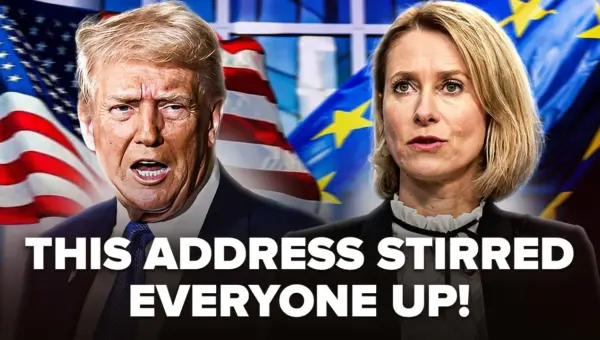
US policy shifts regarding Ukraine, the Strait of Hormuz, and NATO are raising concerns among allies and creating global instability. Critics point to a lack of strategic planning and diplomatic consultation, potentially emboldening adversaries and undermining international security.
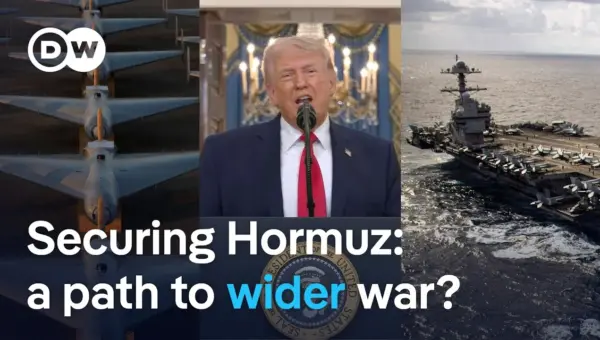
Strait of Hormuz Tensions Risk Wider Middle East War
Efforts to secure the vital Strait of Hormuz risk triggering a wider Middle East war, according to UN warnings and security analysts. The narrow waterway is crucial for global trade, and forcing it open against Iran's objections could escalate regional tensions dramatically. Experts highlight the complex geography, Iran's remaining military capabilities, and the involvement of regional players as key factors in the volatile situation.