Hungary’s Election Shift: What’s Next for Europe’s Conservatives?
Hungary's recent election signals a shift, not an end, for European conservatism. While Victor Orban's defeat might alter Hungary's relationship with the EU and China, underlying conservative support may persist. The outcome highlights the impact of economic issues on voters and offers a potential reset for Hungary's international ties.

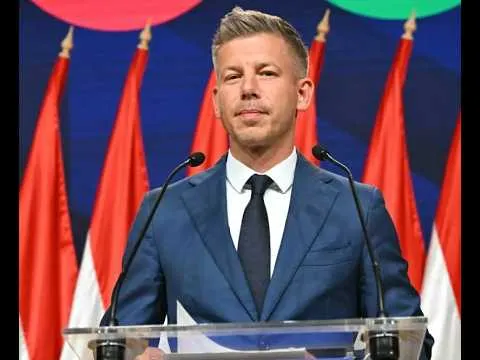
Hungary’s Vote Signals Change, Not Collapse, for European Conservatism
The recent election in Hungary, which saw Victor Orban’s party lose its strong majority, is a significant event. It’s not just a change for Hungary; it could reshape the conversation for conservative movements across Europe. While Orban was a leading voice for conservative and populist ideas in Europe, his defeat doesn’t necessarily mean the end of these movements. Instead, it suggests a potential shift in how these ideas are presented and supported.
Daniel Lay, a political analyst from Europe, points out that the new leader, Peter Maguar, is also a conservative. He leads a center-right party. This means that while Hungary might move closer to the European Union’s views, the underlying conservative support base may not disappear. Lay believes the election’s outcome might actually weaken the idea that the EU is moving too quickly toward socialist policies. Economic issues seemed to be the main driver for voters this time around.
A U.S. Perspective on Orban’s Fall
From an American viewpoint, the change in Hungary is seen differently. Jeff Kruer, a political analyst, notes that former President Trump was a strong supporter of Orban. He considered Orban a close ally in Europe, especially when it came to issues like NATO and criticism of some European nations. Trump’s administration saw Orban as a key partner.
Kruer suggests that Orban’s defeat might be viewed as a move to the left. However, he also expects Hungary to reorient itself more towards the EU and show more support for Ukraine. Changes in policy toward China and Russia are also likely. The relationship between future U.S. administrations and Hungary might also change.
Economic Winds Shift for Hungary
Economically, Hungary could see significant changes. Lay predicts that funds previously frozen by the European Commission due to disagreements with Orban’s government will likely be released. The EU wants the new government to succeed and the economy to improve. This could mean a substantial boost for Hungary’s economy.
The new leadership will also need to address important issues like illegal immigration and job creation, which have been challenges for Hungary. Lay believes that some of the frozen funds were unfairly withheld, and their release will help. The policies adopted by Maguar on immigration and jobs will be crucial for the country’s future.
Impact on Europe’s Conservative Movement
The perception in America is that Europe is generally moving left, particularly on issues like immigration. Kruer highlights that Orban was a strong voice against what he saw as a flood of illegal immigrants, advocating for a nationalist view and border security. This stance resonated with many in the U.S., including President Trump.
Kruer anticipates some policy changes in Hungary, though perhaps not drastic ones. With a high voter turnout and a clear win for the opposition, voters are likely expecting some adjustments. This could mean a shift in how Hungary approaches immigration and border policies.
Hungary’s Stance on China Evolves
Victor Orban maintained close ties with China, focusing on trade and investment. The new leader, Peter Maguar, is expected to take a more cautious approach. Lay suggests Hungary’s policy toward China will likely mirror that of the European Commission – one of cooperation but with careful consideration.
Kruer agrees that this is a setback for China. Orban was a key ally for China and Russia within the EU. While China has already reached out to the new party, losing Orban’s strong relationship is a blow. However, China will likely adapt and work with the new leadership in Hungary, though it represents a clear shift in global dynamics.
Why This Matters
The election in Hungary is a microcosm of broader trends in Europe. It shows that while populist and conservative movements have gained traction, they are not immune to electoral defeat. Economic concerns often play a decisive role in voters’ decisions. The outcome also highlights the ongoing tension between national interests and European Union integration.
For the European Union, the change in Hungary offers an opportunity to mend relationships and potentially strengthen unity. For the United States, it signals a potential shift in European alliances and foreign policy, particularly concerning Russia and China. The future direction of conservative politics in Europe will depend on how these movements adapt to changing public sentiment and economic realities.
Looking Ahead
The future for Hungary under Peter Maguar involves rebuilding ties with the EU and NATO. This could lead to greater economic stability and access to crucial funds. The country’s approach to immigration and its international relations, especially with China and Russia, will be closely watched.
Across Europe, the conservative movement will need to assess its strategies. The Hungarian election suggests that a more moderate, EU-aligned approach might be more successful in the long run. The ability of these movements to connect with voters on economic issues and adapt to global challenges will determine their future influence.
Source: With Orban Ousted, What’s Next for Hungary? (YouTube)

Related Articles

Hungary Elects New Leader, Ending Orbán’s Long Rule
Hungary has elected Peter Magyar as its new leader, ending Viktor Orbán's 16-year rule. The shift is seen as a win for the EU and a potential setback for the "MAGA" movement. Meanwhile, former US President Trump's proposal for a blockade on Iran faces international skepticism.

Clinton: Hungary Vote a Win for Democracy, Defeat for Putin
Hillary Clinton views Hungary's recent election as a significant victory for democracy and a defeat for authoritarianism, particularly for Putin and Trump. She stresses the importance of accountability and affordability as key messages for American Democrats going forward. Clinton also critiques Trump's rhetoric and leadership, warning of potential recklessness and advocating for stronger congressional oversight.


Hungary Votes Out Orban; US Navy Blockades Strait of Hormuz
Hungary has voted out long-serving Prime Minister Viktor Orban, signaling a potential shift in European Union dynamics. Meanwhile, the U.S. Navy has imposed a blockade in the Strait of Hormuz following failed nuclear talks with Iran, raising concerns about regional stability and potential escalation.