Hungary Votes Out Orban; US Navy Blockades Strait of Hormuz
Hungary has voted out long-serving Prime Minister Viktor Orban, signaling a potential shift in European Union dynamics. Meanwhile, the U.S. Navy has imposed a blockade in the Strait of Hormuz following failed nuclear talks with Iran, raising concerns about regional stability and potential escalation.

Hungary Rejects Orban’s Long Rule, Elects New Leader
In a significant political shift, Hungarian Prime Minister Viktor Orban’s 16-year grip on power has ended. Peter Magyar, a former official within Orban’s party, has won a decisive victory, sweeping Orban from office. This change is expected to have a notable impact on the European Union, particularly regarding cooperation on issues like aid for Ukraine. Hungary had frequently blocked additional funding for Ukraine under Orban’s leadership, a stance linked to his previous closeness with Russia and Vladimir Putin. While Hungary remains dependent on Russian energy, Orban’s departure is seen as a positive development for the EU as a whole, as he was often a difficult figure in EU summits.
Orban’s government also benefited greatly from EU funds, which critics alleged were often misapplied. Funds were reportedly used to favor allies and strengthen Orban’s political base, rather than for genuine development. The new leadership is expected to bring a more transparent approach to the use of these crucial EU funds. Orban had cultivated an “illiberal democratic model,” inspired by his opposition to unrestricted migration. This approach resonated with some on the right across Europe, and Hungary even attempted to influence media outlets in the UK, like The Spectator magazine, with funding. Despite accusations of election rigging and undermining democracy, the election results, with Magyar securing 53% of the vote compared to Orban’s 38%, demonstrated that democratic processes ultimately prevailed, leading to a clear public rejection of Orban’s policies.
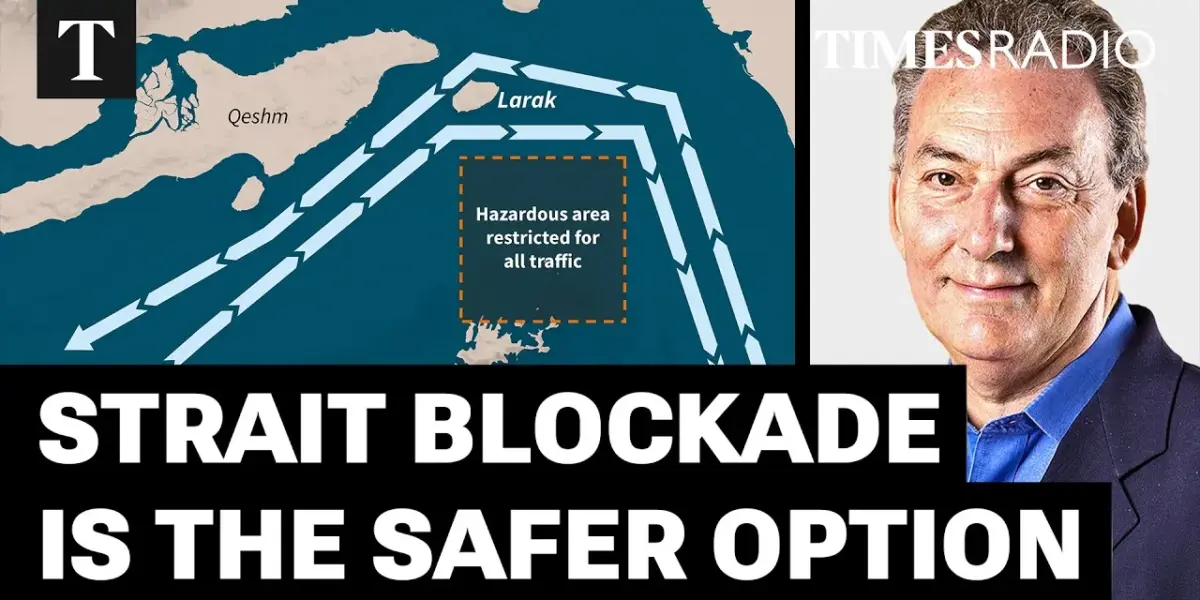
US Navy Implements Strait of Hormuz Blockade Amid Failed Nuclear Talks
President Trump has announced that the U.S. Navy will impose a blockade in the Strait of Hormuz. This action follows the breakdown of negotiations with Iran over its nuclear program. The President stated firmly that Iran will not be allowed to obtain nuclear weapons. While the U.S. military clarified that the operation will target Iranian ports and not halt shipping between other nations, the move signifies a significant escalation in tensions. The President expressed indifference to whether Iran returns to the negotiating table, indicating a firm stance on preventing them from acquiring nuclear capabilities.
Enforcing the Blockade: Capabilities and Risks
The U.S. has deployed forces, including two Marine expeditionary units trained for ship boarding, to the region to enforce the blockade. This strategy is considered less harmful than bombing Iranian targets, such as Kharg Island. While the blockade aims to cut off Iran’s oil exports, estimated at $250 million per day, the operation carries risks. Key questions remain about how Iran will respond to this pressure and whether countries like China or India, major importers of Gulf oil, will challenge the blockade. Experts believe these nations are unlikely to take confrontational action due to the high risks involved. Ship owners are also known to be risk-averse, suggesting that even the presence of a few blocked vessels could effectively deter others from attempting to pass through the strait.
China’s Position and the Iranian Toll Booth System
A significant challenge for the U.S. involves how to handle potential actions against Chinese vessels. While direct confrontation is unlikely, issuing private warnings to China against continued trade with Iran is a possibility. It is noted that China, like many other nations, does not favor Iran’s attempts to control shipping through the Strait of Hormuz, often referred to as an “Iranian toll booth system.” This system, where Iran has sought to leverage its control over oil exports, has been a point of contention. Historically, Iran has warned that if its oil exports are halted, no other nation’s oil will be allowed to pass through the strait. However, recent events saw only Iranian oil flowing, an attempt by the Trump administration to prevent a spike in global oil prices. This situation, where Iran’s oil exports continued despite sanctions, was deemed unsustainable.
Complex Negotiations and Future Escalation Scenarios
The breakdown of nuclear negotiations highlights the complexity of the situation. Achieving the previous Iran nuclear deal, the Joint Comprehensive Plan of Action, took years of intricate diplomacy. Now, with the added complexities of the Strait of Hormuz blockade, Iran’s revenue-raising efforts, and retaliatory actions from the U.S. and Israel, the path forward is incredibly challenging. An optimistic view suggests the current two-week ceasefire could provide an opportunity to address these broader issues. However, the critical question is whether Iran will escalate its response. Potential actions include the Houthis disrupting Red Sea access or attacking oil infrastructure in Gulf states. Alternatively, Iran, having suffered significant damage, might seek to maintain the ceasefire for its own strategic reasons.
The Iranian leadership faces difficult decisions. Radical elements within the Islamic Revolutionary Guard Corps may push for a return to conflict, viewing the blockade as an act of war. Others may argue for a more diplomatic approach, recognizing the severe damage to their economy and the need for survival beyond achieving specific geopolitical aims, such as maintaining a nuclear program or influence in the Strait of Hormuz. The outcome will depend on how Iran chooses to navigate these internal divisions and external pressures.
Source: US Clearing Mines In Strait Of Hormuz Is 'Much More Ambitious And Risky' | Mark Urban (YouTube)

Related Articles
Trump Threatens 50% Tariffs on China Over Iran Support
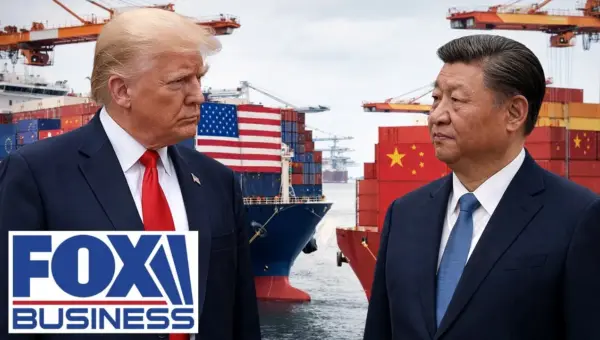
Former President Donald Trump has issued a stark warning to China, threatening a 50% tariff if Beijing supplies military equipment to Iran. The interview also highlighted U.S. energy dominance and criticized NATO allies for their perceived lack of support.
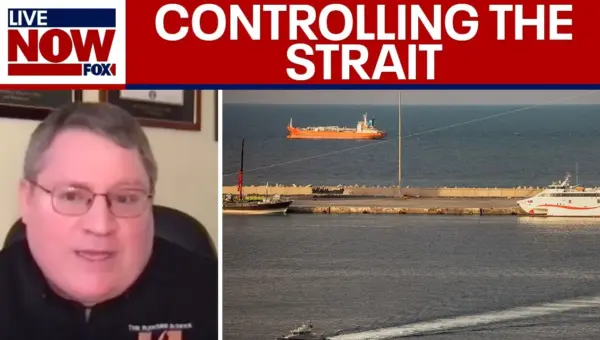
US Navy Blockades Strait of Hormuz Amid Global Tensions
The US Navy has initiated a blockade of the Strait of Hormuz, a vital global shipping lane, in response to Iran's actions. This move is already impacting global oil prices and prompting international coalitions to form for maritime security. The situation remains tense, with a focus on diplomatic solutions and ensuring freedom of navigation.
Polls Show Americans Concerned Over Iran War, Trump Approval Dips
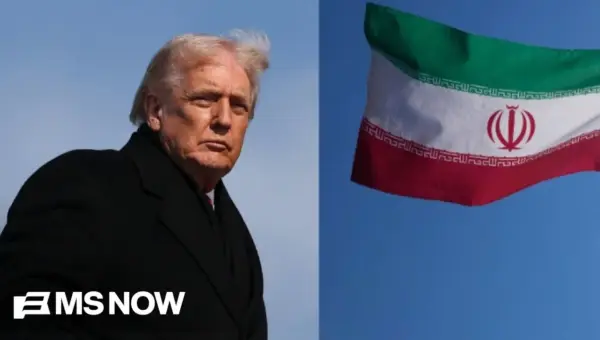
New polls show growing American concern over the Iran conflict and its economic impact, with President Trump's approval rating dipping. A failure to clearly communicate the rationale for U.S. involvement and ongoing issues with the Strait of Hormuz are contributing factors. The administration faces a difficult choice between withdrawal, risking regional instability, and continued engagement, which could keep gas prices high heading into the midterm elections.