Hungary Votes: Orban’s Russia Ties vs. EU Future
Hungary is at a critical juncture as voters decide between Prime Minister Viktor Orban's Russia-aligned policies and opposition leader Peter Márki-Zay's pro-EU platform. The election highlights deep societal divisions and carries significant implications for the future of Hungary and the European Union.

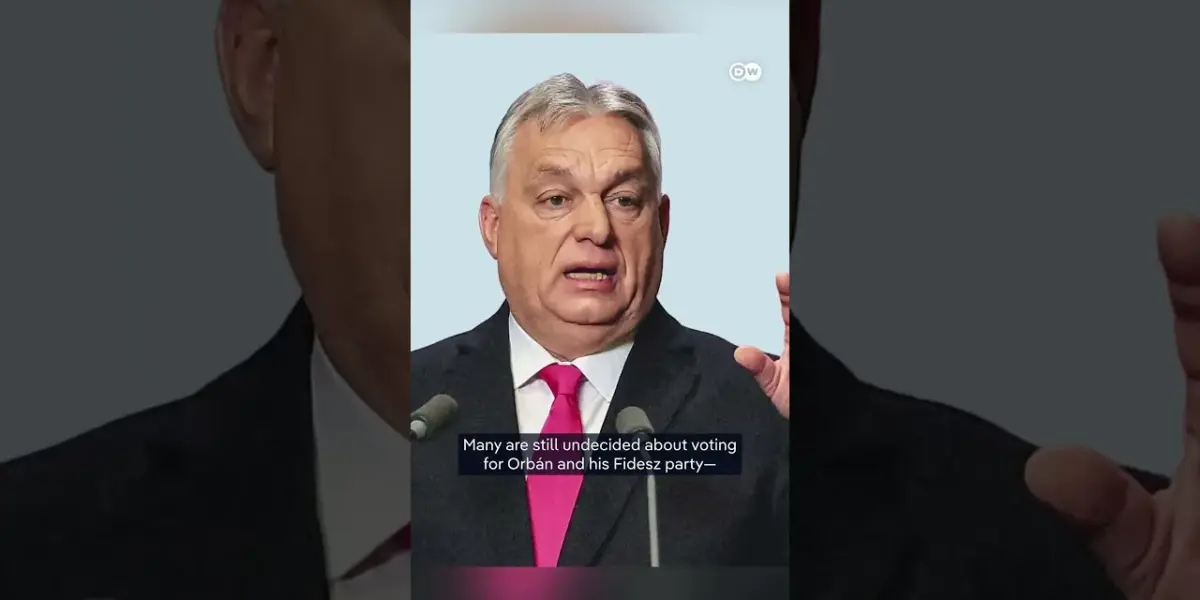
Hungary Faces Crucial Vote: Orban’s Path or EU Reconnection?
Budapest, Hungary – Hungarians are heading to the polls in a pivotal election that will decide the country’s future direction. Prime Minister Viktor Orban, leading the Fidesz party, is pushing for a government model inspired by Russia, deepening ties with Moscow and seeking to reduce Ukraine’s Western aid. This path contrasts sharply with the vision of opposition leader Peter Márki-Zay, who is campaigning on an anti-corruption platform and a promise to steer Hungary back toward the European Union. The choice facing voters is stark: a more authoritarian, Russia-aligned future or a return to liberal democratic values and closer EU integration.
Orban’s ‘Russia-Inspired’ Model
For years, Prime Minister Viktor Orban has cultivated a distinct political path for Hungary. His government has increasingly adopted policies and rhetoric that align with a Russian-influenced model of governance. This includes strengthening economic and political ties with Russian President Vladimir Putin. Orban has also openly advocated for ending Western financial and military support for Ukraine, a stance that has put Hungary at odds with many of its EU allies. His supporters often point to perceived national sovereignty and a critique of what they see as overreach from Brussels. This approach has fostered a unique position for Hungary within the European bloc.
Opposition Unites Behind Márki-Zay
Challenging Orban’s long-standing rule is Peter Márki-Zay, the united opposition’s candidate. For the first time in 16 years, the Hungarian opposition has coalesced under a single party, Momentum (Tisza), and a single charismatic leader. Márki-Zay has made fighting corruption and restoring Hungary’s relationship with the EU central to his campaign. He argues that Orban’s policies have isolated Hungary and harmed its democratic institutions. His campaign aims to present a clear alternative, rallying voters who are disillusioned with the current government and seeking a more pro-European future. Polls currently show Márki-Zay in the lead, suggesting a potential shift in the political landscape.
Deep Divisions Among Voters
The upcoming election highlights deep divisions within Hungarian society. Many voters remain undecided, weighing the familiar policies of Orban’s Fidesz party against the promises of the united opposition led by Márki-Zay. The sheer fact that the opposition has successfully restructured the party system and presented a unified front is seen by many as a significant development. This consolidation of opposition forces has made the prospect of defeating Fidesz more tangible than in previous elections. The outcome will hinge on which vision ultimately resonates more strongly with the Hungarian electorate.
Broader Implications for Europe
Hungary’s election has significant implications not just for the nation but for the broader European Union. Orban’s government has often been a vocal critic of EU policies and values, sometimes aligning with or appearing sympathetic to Russian interests. A victory for Orban could further strain relations within the EU and embolden other nationalist or illiberal movements across the continent. Conversely, a win for the opposition and a potential return to closer EU alignment could strengthen the bloc’s unity and its stance against external influences. The decision made by Hungarian voters will undoubtedly send ripples through European politics.
What to Watch Next
As election day approaches, attention will be focused on voter turnout and the final undecided vote. Analysts will be closely watching how effectively the united opposition can mobilize its supporters and whether Orban’s established base remains firm. The international community will also be observing the results closely, as they will shape Hungary’s role on the global stage and its relationship with key international partners. The coming weeks will reveal whether Hungary will continue on its current trajectory or pivot towards a more traditionally democratic and European path.
Source: Elections in Hungary: More Europe or More Russia? | DW News (YouTube)

Related Articles

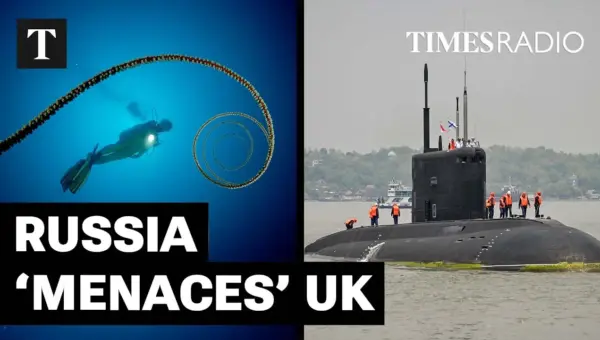
Russia Submarine Spying Threatens UK’s Critical Underwater Links
Three Russian submarines attempted to spy on UK underwater cables and pipelines, the Defense Secretary revealed. The Royal Navy tracked the vessels, sending a clear message that such actions will not be tolerated. This incident is seen as part of Russia's strategy to pressure Britain over its support for Ukraine.
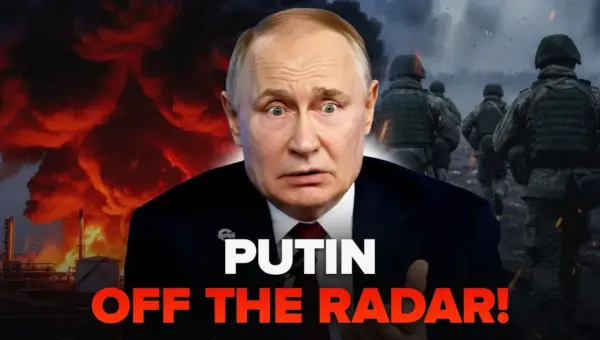
Russia Faces ‘Disaster’ as Ukraine Strikes Deep
Former CIA analysts suggest Russia is facing a "disaster" as Ukrainian drone strikes hit deep within its territory, challenging its security. They detail Putin's miscalculations, Russia's economic fragility, and Ukraine's strengthened national identity. The discussion also touches on the complexities of security guarantees and the potential long-term benefits of Middle East instability for Ukraine.
Putin Offers Easter Truce, But Will Fighting Truly Stop?
Russia announced an Orthodox Easter ceasefire, with Ukraine cautiously agreeing. However, past ceasefires have been marred by violations, raising doubts about the truce's effectiveness. The world watches to see if this holiday pause will bring genuine respite or further broken promises.