Hungary Votes: Orban Faces Toughest Election Challenge
Hungarian Prime Minister Viktor Orban faces his toughest electoral challenge yet as voters head to the polls next week. Opposition leader Peter Magyar, a former Fidesz insider, is leading in polls with a platform focused on ending corruption and improving the economy. The election's outcome could reshape Hungary's relationship with the European Union and its stance on the war in Ukraine.

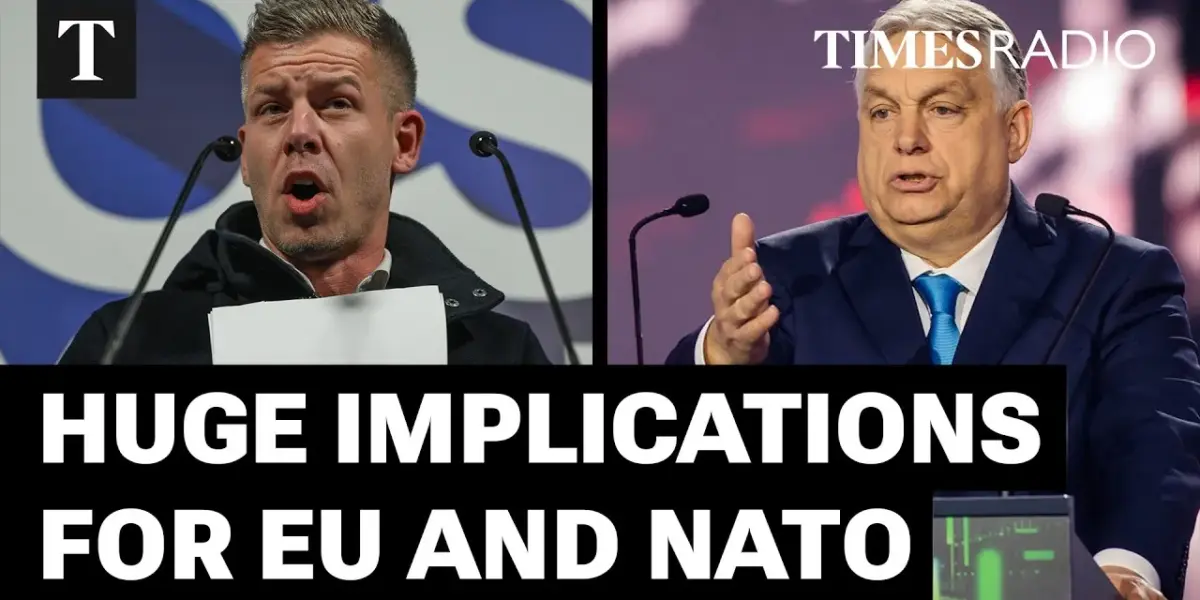
Hungary Heads to Polls in Crucial Election
Hungarians are set to vote next week in an election that could determine the future of Prime Minister Viktor Orban’s long tenure. Orban, Europe’s longest-serving leader, is currently trailing his main opponent, Peter Magyar, in the latest polls. A visit from U.S. Vice President JD Vance is expected to occur this week, potentially boosting Orban’s chances.
Introducing the Challenger: Peter Magyar
Peter Magyar is a relatively new face in Hungarian politics, but he has deep ties to the ruling party, Fidesz. He is the former husband of Judith Varga, a justice minister under Orban. Magyar was once a key insider within the Fidesz system. He emerged onto the public stage two years ago following a major scandal involving the presidential pardon of a convicted accomplice to a pedophile.
The scandal led to the resignation of then-President Katalin Novák and Varga’s withdrawal from public life. This event paved the way for Magyar’s rapid rise and the growth of his party, Tisza, which means “Respect and Freedom.” The name also references one of Hungary’s main rivers. Since then, the traditional left-liberal opposition in Hungary has largely faded away.
Magyar’s Platform: Change and Familiar Themes
Magyar is campaigning on a platform of change. He promises to end what he describes as endemic corruption and restore economic growth to Hungary. He also aims to end a climate of fear that he says exists in some parts of Hungarian society due to pressure from Fidesz and state agencies. However, Magyar is also adopting some of Fidesz’s language on key issues.
He speaks about migration and national sovereignty, which allows him to connect with some conservative voters. These are voters that previous opposition parties struggled to reach. Magyar is strongly challenging Orban on everyday issues. He is focusing on the functionality of the state and the severe cost of living crisis that has affected Hungarians for the past two years.
Foreign Policy Divide: Orban vs. Magyar
The election campaign has seen two very different approaches to foreign policy. Orban has focused heavily on this area, portraying Magyar as a puppet of Brussels and Ukraine. Orban’s narrative suggests that Magyar risks dragging Hungary into the war in neighboring Ukraine. He also questions Magyar’s loyalty to Russian President Vladimir Putin.
In contrast, Tisza’s campaign is centered on everyday life and social realities. On foreign policy, Magyar has taken a more moderate stance. He promises to improve Hungary’s relationships with the European Union and NATO. Hungary is currently somewhat isolated within both organizations, which has caused embarrassment for many Hungarians.
Magyar aims to unlock significant EU funds that have been frozen due to concerns about the rule of law in Hungary. He is also careful not to fall into Orban’s traps. For example, he has not pledged unconditional support for Ukraine’s potential EU membership. He suggests this decision should be made in a future national referendum, effectively delaying the issue.
The Impact of JD Vance’s Visit
The planned visit of U.S. Vice President JD Vance is expected to draw significant media attention in the final days before the election. While the full impact remains to be seen, such high-profile visits can influence the election narrative.
What’s at Stake for Hungary and Europe
Susanna Fay, a program officer at the German Marshall Fund, notes that Orban is facing his biggest electoral challenge since returning to power in 2010. Polls show his party, Fidesz, trailing the opposition Tisza party by double digits. Fay points out that Orban’s usual tactics, including those related to democratic backsliding and propaganda, do not seem to be working as effectively this time.
Fay believes Magyar has successfully navigated Orban’s aggressive political propaganda by sticking to his own agenda. This has helped him build credibility with his supporters. He has also focused on building a nationwide network of supporters, something previous opposition parties neglected. This positioning makes Tisza the main challenger to Fidesz, which is crucial in Hungary’s electoral system where opposition votes need to be consolidated to win individual districts.
Potential Outcomes of a Magyar Victory
A victory for Peter Magyar could significantly alter Hungary’s standing in Europe. If Tisza secures a two-thirds majority, a constitutional majority, they could reform the system. This would allow them to remove Fidesz’s influence from captured institutions. Such a win would enable a more independent domestic and foreign policy. A cooperative stance towards the EU would likely follow, with Magyar less burdened by internal political struggles.
If Magyar only achieves a simple majority, his focus would be divided between domestic reforms and fighting entrenched Fidesz personnel in key institutions. This would slow down the transition process. However, he would still likely be a more cooperative partner for Europe. Regarding Ukraine, a Magyar government would likely adopt a more supportive stance towards joint European actions. However, Magyar is not seen as a pro-Ukrainian politician. He would prioritize resolving bilateral conflicts with Ukraine and would not favor direct military support.
Ultimately, Magyar would likely pursue a collaborative approach on Ukraine. He would avoid using bilateral disputes to weaken Kyiv’s position. The election results, expected next week, could have significant consequences for Hungary and the wider European landscape.
Source: Viktor Orban Battles One Of The Biggest Election Threats Of His Political Career | Alex Faludy (YouTube)

Related Articles

Orban Faces Major Election Challenge Amidst Opposition Surge
Hungary is heading to the polls in a critical election where long-serving leader Viktor Orban faces his toughest challenge yet from opposition rival Peter Magyar. Magyar's Tisza party is surging in polls, promising an end to corruption and economic reform, while Orban's traditional tactics appear to be faltering.


EU Trade Deals Stall Amid Protectionism and Bureaucracy
Europe's efforts to forge new global trade deals are being hampered by its reliance on U.S. naval security, deep-seated agricultural protectionism, and a slow, complex approval process involving all member states. This internal friction significantly delays agreements and limits the EU's global economic influence.

JD Vance Backs Hungary’s Strongman Leader Amid Election Woes
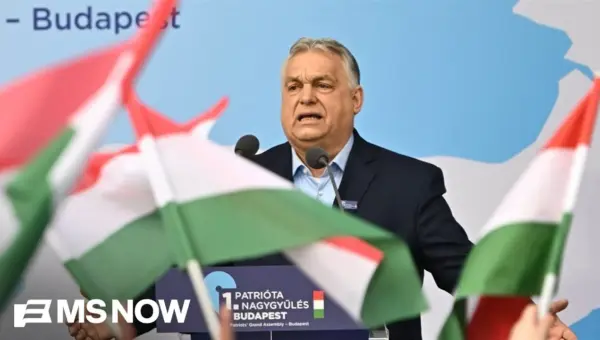
U.S. Senator JD Vance has actively supported Hungarian Prime Minister Viktor Orban in his re-election campaign. Orban, a leader in power for 16 years, faces criticism for his country's economic struggles and his government's use of propaganda, particularly concerning Ukraine and Russia.